
Planting
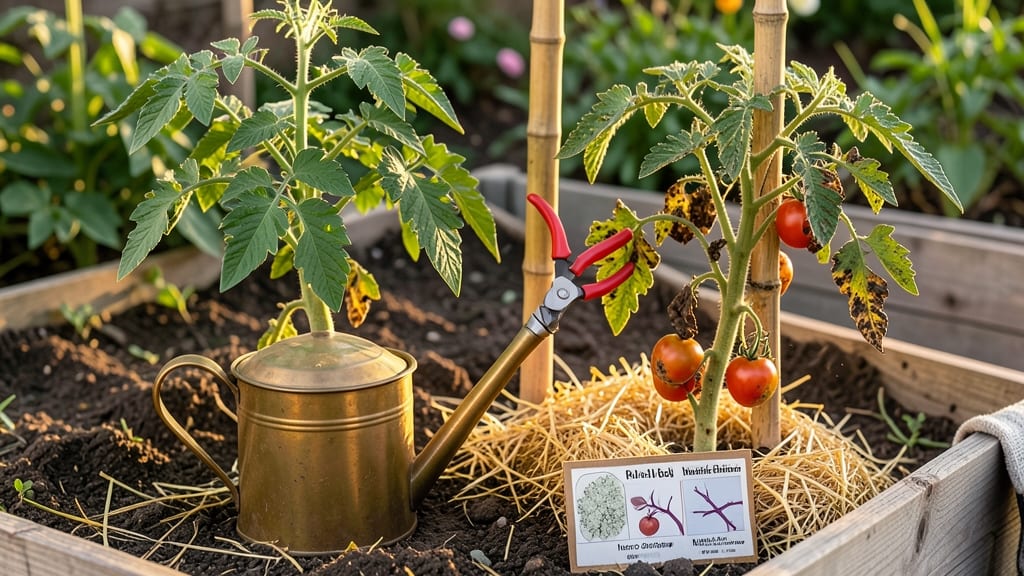
Your tomato plant's drooping leaves don’t mean the end—how to save a tomato plant in 24 hours is easier than you think. 🌱 I've nursed back plants that looked finished, and the secret lies in identifying the exact problem first.
Overwatering? Underwatering? Blight? Pests? Each needs a different fix, and acting fast makes all the difference.
The first step is checking the soil moisture with your finger—if it's bone dry, water deeply until it drains from the bottom. If it's soggy, hold off and focus on airflow instead.
Yellowing leaves often point to overwatering or nutrient issues, while brown edges suggest underwatering or salt buildup. The key is matching the symptom to the solution before it spreads.
Within hours of proper care, you'll see leaves perk up and new growth emerge. I've seen plants bounce back from near-death in just a day when treated correctly. The trick is acting fast, staying consistent, and giving your plant the exact care it needs—not what you think it needs.
This method works for both container and in-ground plants, and the same principles apply whether you're dealing with cherry tomatoes or beefsteaks. The faster you diagnose, the faster your plant recovers. Let's get those leaves standing tall again!
Root Causes Behind Wilted Tomatoes
Understanding why your tomato plant is struggling is the first step to reviving it.
Tomato plants are resilient, but they send distress signals when something’s off—wilting, yellowing, or drooping leaves are their way of saying, "Hey, fix this!" Below, we break down the most common culprits behind a failing tomato plant, explained in plain science so you can diagnose and act fast.
Tomatoes hate soggy feet.
When roots sit in waterlogged soil for too long, they suffocate from lack of oxygen, leading to: - Root rot (a fungal infection that turns roots black and mushy). - Wilting despite moist soil—because the roots can’t absorb water efficiently. - Blossom end rot (a calcium uptake issue triggered by inconsistent moisture).
Why it happens:
- Compacted or clay-heavy soil holds too much water, preventing roots from breathing.
- Overzealous watering (especially without checking soil moisture) drowns roots.
- Lack of drainage holes in containers traps excess water.
Pro tip: 💡 Stick your finger 1-2 inches into the soil—if it’s damp, wait. If it’s bone-dry, water deeply but only when the top inch feels dry.
Tomatoes are thirsty plants, and skipping water can cause:
- Permanent wilting (leaves droop and don’t bounce back when touched).
- Blistering or scorch marks on leaves from intense sun exposure.
- Stunted growth as the plant conserves energy.
Why it happens:
- Inconsistent watering (e.g., deep soaks followed by drought).
- High temperatures (above 90°F/32°C) increase water loss through transpiration.
- Shallow root systems in young plants can’t reach deep water sources.
Pro tip: 🌡️ Morning watering (before 10 AM) reduces evaporation, and mulching (with straw or grass clippings) locks in moisture.
Hidden threats like nematodes, aphids, or fungal pathogens can weaken roots without visible signs until it’s too late. Watch for:
- Stunted growth despite proper care.
- Yellowing leaves (starting at the bottom).
- Mushy, discolored roots when inspected.
Why it happens:
- Nematodes (microscopic worms) burrow into roots, disrupting nutrient flow.
- Fungal infections (like Phytophthora) thrive in wet conditions, rotting roots.
- Aphids or spider mites sap plant energy, leaving leaves limp.
Pro tip: ✨ Inspect roots when repotting—healthy roots are firm and white. If you spot pests, neem oil spray or beneficial nematodes can help.
Tomatoes are warm-weather lovers, but extremes throw them off:
- Cold snaps (below 50°F/10°C) slow metabolism, causing wilting.
- Too much direct sun (especially after rain) burns leaves.
- Leggy, weak stems from low light (common in indoor or shaded plants).
Why it happens:
- Cold drafts (from AC vents or early spring frosts) shock the plant.
- Sudden heatwaves cause transpiration stress (water loss outpaces absorption).
- Insufficient sunlight (less than 6-8 hours/day) weakens photosynthesis.
Pro tip: 🎯 Move potted plants to a sheltered spot if temps drop, and use shade cloth (30-50%) during peak sun.
Tomatoes are heavy feeders, and poor soil nutrition leads to:
- Yellowing between leaf veins (chlorosis) from iron or magnesium deficiency.
- Purple stems/leaves (phosphorus deficiency).
- Weak, brittle stems (lack of nitrogen).
Why it happens:
- Over-fertilizing with nitrogen (too much greenery, few flowers/fruit).
- Soil depletion (same spot planted yearly without amendments).
- Improper pH (tomatoes thrive in 6.0-6.8 pH; too acidic or alkaline locks out nutrients).
Pro tip: 📊 Test your soil (kits are cheap!) and balance fertilizers—use a low-nitrogen, high-potassium feed (like 5-10-10) during fruiting.
Even mature tomato plants can wilt after:
- Repotting (roots disturbed during transplant).
- Pruning too aggressively (removing too many leaves at once).
- Wind or physical damage (e.g., knocking over a heavy plant).
Why it happens:
- Root damage during transplanting disrupts water/nutrient uptake.
- Over-pruning reduces the plant’s ability to photosynthesize.
- Windburn dries out leaves faster than the roots can replace moisture.
Pro tip: 👨🍳 After repotting, water deeply and avoid pruning during heatwaves. Use stakes or cages to protect from wind.
How to solve it
Your tomato plant is drooping like a sad noodle, but don’t toss it yet! 🌱 With the right moves, you can often revive wilted leaves in under 24 hours—and even prevent future flops.
Below, we’ve mapped out the most common causes of tomato plant distress and the practical, step-by-step solutions to get your plant back in fighting shape. Plus, we’ll share pro tips to keep your tomatoes thriving long-term.
Tomatoes hate soggy shoes—or dry desert vibes. Yellowing leaves, mushy stems, or crispy edges? You’re either drowning or dehydrating your plant.
How to Fix It: ✅ For Overwatered Plants (Soggy Soil): 1. 🚰 Stop Watering Immediately – Let the top 2–3 inches of soil dry out before watering again. 2. 🌬️ Improve Drainage – Mix in perlite or coarse sand (1 part to 3 parts soil) to aerate the roots.
- 🧽 Repot if Necessary – If the roots are rotting (black/mushy), trim the bad bits with sterilized scissors and repot in fresh, well-draining soil.
- ☀️ Move to Shade – Stress from overwatering + sun = recipe for shock. Give it 2–3 days of partial shade.
✅ For Underwatered Plants (Crispy Leaves): 1. 💦 Water Deeply (Not Just a Spritz!) – Stick your finger 2 inches into the soil. If it’s dry, water until it runs out the drainage holes.
- 🕒 Water in the Morning – This gives roots time to absorb moisture before evening heat evaporates it.
- 🌿 Mulch Like a Pro – Spread 2–3 inches of straw or wood chips around the base to lock in moisture.
💡 Prevention Tips: - 📅 Water on a Schedule – Stick to 1–1.5 inches per week (adjust for rain). - 🌡️ Check Soil Temp – Cold, compacted soil = poor absorption.
Warm soil (70°F+) drinks water better. - 🚫 Avoid Wetting Leaves – Water at the base to prevent fungal diseases that mimic drought stress.
Spotted leaves? White powder? Sudden wilting? Fungal invaders like early blight, late blight, or powdery mildew can turn your tomato plant into a sad, crumbly mess. Act fast—these spread like gossip at a garden party.
How to Fix It: 1. 🧼 Prune the Problem Areas – Snip off infected leaves (don’t compost them—trash them!) using rubbing alcohol-wiped scissors. 2. 🌿 Spray with Baking Soda Mix – Combine 1 tsp baking soda + 1 quart water + a drop of dish soap.
Spray undersides of leaves (where fungi love to hide). 3. 🍄 Use Fungicide (If Bad) – For severe cases, grab copper fungicide or neem oil. Follow package instructions—don’t go overboard! 4. 🌞 Increase Airflow – Space plants 18–24 inches apart and stake them to improve circulation.
💡 Prevention Tips: - 🌧️ Water Early – Wet leaves + evening humidity = fungal buffet.
Water by 6 AM max. - 🌿 Rotate Crops – Don’t plant tomatoes in the same spot yearly (fungi party there). - 🌱 Choose Resistant Varieties – Try ‘Mountain Merit’ or ‘Defiant PhR’ for blight-resistant tomatoes.
Holes in leaves? Sticky residue? Tiny bugs? Aphids, spider mites, or whiteflies are siphoning your plant’s life force. Wilting can be their side effect!
How to Fix It: 1. 🔍 Inspect & Identify – Flip leaves to spot pests.
Common culprits: - Aphids (tiny green/black bugs) - Spider Mites (tiny webs + speckled leaves) - Whiteflies (tiny white moths that flutter when you shake the plant) 2. 🚿 Blast Them Off – Spray leaves with a strong stream of water to dislodge pests.
- 🧴 Soap Spray Attack – Mix 2 tbsp mild soap + 1 gallon water. Spray directly on pests (test on a small area first).
- 🕷️ Introduce Predators – Ladybugs and lacewings eat pests for breakfast. Buy them online or attract them with dill or marigolds.
💡 Prevention Tips:
- 🌿 Use Row Covers – Lightweight fabric keeps bugs out until flowers form.
- 🌱 Interplant with Herbs – Basil, thyme, and oregano repel pests naturally.
- 🌡️ Avoid Over-Fertilizing – Too much nitrogen = soft, tasty leaves that bugs love.
Sudden temperature swings? Tomatoes are tropical babies—they wilt when it’s too hot (<90°F) or too cold (<50°F). If leaves look scorched or mushy, your plant is in shock.
How to Fix It: 1. 🌞 Shade Cloth for Heat – Drape 30–50% shade cloth over the plant during peak sun (10 AM–4 PM). 2. 🧊 Protect from Cold – Cover with a lightweight blanket or row cover if temps drop below 55°F at night.
- 💦 Increase Humidity – Place a tray of water near the plant or mist leaves (early morning only).
- 🌱 Move Indoors (Temporary) – If a heatwave’s coming, pop the plant in a cool, bright spot (like a garage with windows).
💡 Prevention Tips:
- 🌡️ Choose Heat-Tolerant Varieties – Try ‘Solar Fire’ or ‘Heatmaster’ for hot climates.
- 🌱 Mulch Heavily – 4–6 inches of mulch keeps roots cool in summer and warm in winter.
- 📅 Time Your Planting – Start seeds 6–8 weeks before last frost and avoid late-season heatwaves.
Stunted growth? Roots circling the pot? Tomatoes need room to stretch their legs—and healthy soil to feed them. If roots are cramped or starving, wilting is inevitable.
How to Fix It: 1. 🏺 Repot Immediately – If roots are circling or bursting out of the pot, move to a container 2–3 inches larger in diameter.
- 🌿 Refresh the Soil – Mix in compost or aged manure (1 part to 2 parts old soil) for nutrients.
- ⚡ Fertilize Gently – Use a balanced fertilizer (10-10-10)
Frequently asked questions
How do I tell if my tomato plant is overwatered or underwatered?
Press your finger 1-2 inches into the soil—if it's damp but leaves stay wilted, you're overwatering. If it's bone dry and leaves feel crispy, it's thirsty. For overwatered plants, stop watering and improve drainage with perlite. For underwatered ones, water deeply until it drains from the bottom.
Can I save a tomato plant with root rot?
Yes, but act fast! Trim all black, mushy roots with sterilized scissors, repot in fresh, well-draining soil, and reduce watering. Place the plant in bright, indirect light and avoid watering until the top 2-3 inches of soil dry out. Recovery takes 2-3 weeks with proper care.
What's the fastest way to revive a tomato plant with yellow leaves?
Check soil moisture first—yellowing often means overwatering. If soil is soggy, stop watering and improve drainage. If underwatered, water deeply. For nutrient issues, flush soil with water to remove excess salts, then fertilize with a balanced 10-10-10 mix. New growth should appear in 7-10 days.
Is it too late to save a tomato plant with blight?
Not necessarily! Prune all infected leaves immediately (don't compost them!) and spray with a baking soda mix (1 tsp baking soda + 1 quart water + drop of soap). Increase airflow by spacing plants 18-24 inches apart and avoid wetting leaves when watering. For severe cases, use copper fungicide as a last resort.
How often should I fertilize a struggling tomato plant?
Start with a light feeding—use a balanced 5-10-10 fertilizer every 2-3 weeks during growing season. Over-fertilizing stresses plants. For recovery, focus first on fixing water/drainage issues before adding nutrients. Once leaves perk up, resume regular feeding when new growth appears.