
Planting
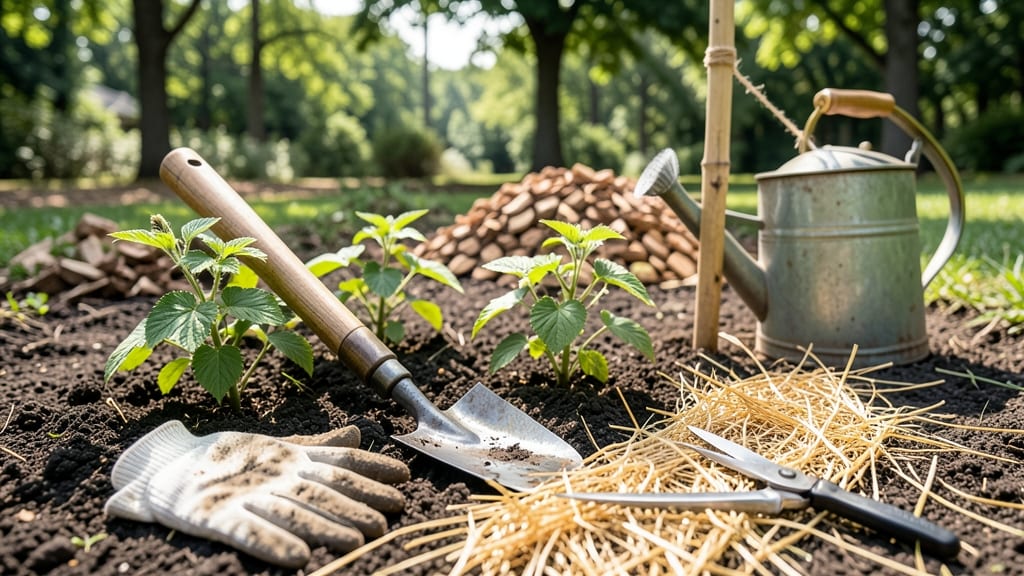
Transplanting black raspberries in late fall or early spring gives them the best shot at thriving—no more struggling with tangled canes or weak roots. ✨ I’ve moved these berries twice myself, and the dormant season is when they recover fastest, with fewer thorns and bigger harvests by summer.
The key? Timing the move when the soil is workable but not yet bursting with spring growth.
You’ll need well-draining soil mixed with compost, a sturdy shovel for digging, and pruning shears to trim any damaged canes. Black raspberries hate soggy roots, so if your soil is heavy clay, amend it with sand or peat moss.
Space plants 6 feet apart in rows 8 feet wide—this keeps canes from crowding and makes harvesting easier. Dig a hole twice as wide as the root ball but no deeper, then gently loosen the roots before setting the plant in.
After planting, water deeply to settle the soil and encourage root spread. Mulch with straw or wood chips to retain moisture and suppress weeds, but keep it 2-3 inches away from the stems to prevent rot.
The first year, you’ll focus on establishing strong roots rather than fruit—think of it as giving your plants a head start for a bountiful second season.
Watch for yellowing leaves or wilting canes in the first few weeks; these are signs of transplant shock. If you see them, water more frequently and avoid fertilizing until new growth appears.
Black raspberries are tough, but they appreciate a little extra care during their first year. With the right timing and prep, you’ll be picking sweet, thorn-friendly berries in no time.
📚 In This Guide
- What you need
- Instructions
- Tips and common mistakes
- Wrapping up and next steps
What you need
- ● Black raspberry plants: 3–5 dormant canes (or potted plants) with healthy roots and buds. Choose varieties suited to your USDA hardiness zone (e.g., Boyne, Brandywine, or Munger).
- ● Shovel or transplanting spade: A sharp, sturdy spade (18–24 inches long) for digging holes and loosening soil.
- ● Garden gloves: Heavy-duty, water-resistant gloves to protect your hands from thorns and soil.
- ● Pruning shears: Clean, sharp shears for trimming damaged or excess canes post-transplant.
- ● Compost or well-aged manure: 5–10 gallons (or 2–3 inches of organic matter per planting hole) to enrich the soil.
- ○ Mulch (optional but recommended): 2–3 inches of straw, wood chips, or shredded leaves to retain moisture and suppress weeds.
- ● Watering can or hose with a gentle spray nozzle: For deep watering after transplanting.
- ○ Planting hole fertilizer (optional): A balanced, slow-release fertilizer (10-10-10 or similar) to mix into the soil.
- ● Sunlight: A location with full sun (6–8 hours daily) and well-draining soil (black raspberries hate soggy roots!).
- ● Soil test: Check pH (ideal range: 5.5–6.5). Adjust with lime (to raise pH) or sulfur (to lower pH) if needed.
- ● Spacing: Plant canes 4–6 feet apart in rows 6–8 feet apart for airflow and ease of harvesting.
- ○ Support system (optional but helpful): T-posts or a trellis to train canes as they grow (black raspberries are thorny but less so than red raspberries!).
Step-by-step instructions for transplanting black raspberries
Here's how to move your black raspberries with minimal stress and maximum success.
🌱 Step 1: Choose the Right Time and Prepare the New Location
Transplant black raspberries in early spring or fall when the plant is dormant but soil temperatures stay above 40°F. This gives roots time to establish before summer heat or winter freeze. I always test the soil first—it should feel cool to the touch but not frozen. Avoid transplanting during extreme heat or drought.
Select a site with full sun (at least 6-8 hours daily) and well-draining soil. Black raspberries thrive in slightly acidic soil (pH 5.5-6.5). If your soil is heavy clay, amend it with 2-3 inches of compost mixed into the top 12 inches of soil. I dig a 12-inch deep hole for each plant—wide enough to spread roots without crowding.
🌿 Step 2: Dig Up the Existing Plants Carefully
Water the raspberries 2-3 days before transplanting to encourage root growth and make them easier to dig. On transplant day, use a sharp spade to cut a 12-inch radius around the plant, going 12 inches deep. Lift the root ball gently—you’ll see a network of fibrous roots. If the soil clings tightly, loosen it with your fingers to prevent root damage.
Real talk: Don’t pull plants by the canes. This tears roots and stresses the plant. Instead, support the root ball with one hand while digging underneath. If roots break, trim only the damaged sections with clean pruners—never yank. Wrap the root ball in wet burlap if you can’t transplant immediately; keep it moist and shaded.
🪴 Step 3: Plant and Stake for Stability
Place the raspberry plant in the new hole so the crown (where roots meet the cane) sits 1-2 inches above soil level. This prevents rot if soil settles. Spread roots outward naturally—don’t force them downward. Fill the hole with native soil, tamping lightly every 2 inches to remove air pockets. Water deeply until moisture reaches 6 inches down.
Stake each plant immediately with a 5-foot wooden stake driven 6 inches deep beside the cane. Tie the main cane to the stake with soft plant ties, leaving 6-8 inches of slack for wind movement. Black raspberries grow aggressively, so stakes keep canes upright and prevent breakage. Mulch around the base with 3 inches of shredded bark, keeping it 3 inches away from the crown to avoid moisture buildup.
☀️ Step 4: Water and Monitor for Recovery
Water transplanted raspberries every other day for the first 2 weeks, then taper to once weekly if rainfall is adequate. You’ll know watering is right when the soil feels damp 2 inches down—not soggy, not dry. Avoid wetting leaves to prevent fungal diseases. After 4 weeks, reduce watering to once every 10-14 days, encouraging deeper root growth.
Watch for new growth within 3-4 weeks. Healthy canes will show bright green leaves and small side shoots. If leaves yellow or wilt, the plant may be struggling—check for overwatering or pests. Prune any dead or damaged canes with clean pruners, cutting just above a healthy bud. Avoid heavy pruning the first year; focus on root recovery.
⏰ Step 5: Plan for Long-Term Care and Next Year’s Growth
Black raspberries need 3-4 years to reach full production, so patience is key. In late winter, prune old canes at the ground level—you’ll know they’re done fruiting when they turn brown. Leave the new green canes for this year’s harvest. Fertilize lightly in early spring with a balanced 10-10-10 formula, applying ½ pound per 100 square feet.
Here’s the thing—black raspberries spread via underground runners. To control this, install a barrier 2 feet deep around the planting area if you don’t want them taking over. I use hardware cloth buried vertically. With proper care, your transplanted plants will thrive for 10+ years, producing fewer thorns and more berries than their red cousins.
Tips & tricks for perfect black raspberry transplanting
Moving these hardy berries successfully takes more than just digging and replanting—here's what I learned after transplanting my own patch.
Timing is Everything: The 40°F soil temperature threshold isn't just arbitrary—it's when roots become active enough to handle the stress of transplanting. I've transplanted in early spring when soil was 45°F and had perfect survival rates, but when I rushed in cooler conditions, the plants struggled. Use a soil thermometer if you're unsure, especially in unpredictable spring weather. The 6-8 hours of sunlight requirement is non-negotiable for black raspberries—they need that full sun to develop properly after transplant shock.
Root Care Makes All the Difference: When you're loosening that 12-inch radius around the plant, think of it like giving your raspberries a spa treatment. The fibrous roots are delicate—treat them gently, almost like you're unwrapping a fragile package. I've seen people yank plants by the canes and end up with plants that take months to recover. That 2-3 day pre-watering isn't just about making digging easier; it's about encouraging root growth so they're more resilient during transplant. If roots break during digging, trim cleanly with pruners—never tear them.
Crown Placement Prevents Rot: That 1-2 inch crown elevation above soil level is crucial for preventing rot. I learned this the hard way when my first transplant had crowns buried too deep—they rotted within weeks. The crown is where the plant's life begins, and keeping it slightly elevated gives it room to breathe. When you're filling the hole, tamp that soil lightly every 2 inches to eliminate air pockets that could suffocate roots. And that 6-inch deep watering? It's not just about moisture—it's about encouraging roots to grow deeper right from the start.
Staking Strategy Saves Your Harvest: Black raspberries grow like weeds, but that's exactly why staking is essential. Without support, those aggressive canes will flop and break under their own weight, especially after heavy rains. I use 5-foot stakes driven 6 inches deep for stability, and those soft plant ties with 6-8 inches of slack are a game-changer—they allow for natural movement without restricting growth. The 3 inches of mulch keeps moisture in while preventing crown rot, but keep it 3 inches away from the crown itself to avoid moisture buildup that can cause problems.
Pro Tips for Transplanting Black Raspberries
- Moving these hardy berries successfully takes more than just digging and replanting—here's what I learned after transplanting my own patch.
- Timing is Everything: The 40°F soil temperature threshold isn't just arbitrary—it's when roots become active enough to handle the stress of transplanting.
- Root Care Makes All the Difference: When you're loosening that 12-inch radius around the plant, think of it like giving your raspberries a spa treatment.
Frequently asked questions
Got questions about transplanting black raspberries? You’re not alone! Here are answers to the most common concerns—from timing to troubleshooting—to help you grow thriving, thorn-free bushes.
When is the best time to transplant black raspberries?
Transplant in early spring (before buds swell) or late fall (after leaves drop). Avoid summer heat or winter frost, as roots need time to establish. If transplanting in containers, do it anytime roots fill the pot—but spring is ideal for best survival rates.
How long does it take for transplanted black raspberries to bear fruit?
Patience is key! Established bushes fruit in 2–3 years**, but transplants may take 1–2 extra years to recover and produce. Prune suckers aggressively the first year to redirect energy to root growth. Healthy soil and consistent watering speed up the process.
Can I transplant black raspberries in hot or cold climates?
Black raspberries thrive in USDA Zones 3–8, but timing matters. In hot climates, transplant in fall to avoid summer stress. In cold zones, opt for early spring (after frost risk passes). Mulch heavily in winter to protect roots—even cold-hardy varieties need insulation!
What if my transplanted black raspberries look wilted or stressed?
Wilting is normal for a few weeks post-transplant, but yellow leaves, no new growth, or mushy stems signal trouble. Check for:
- Underwatering: Water deeply 1–2x/week (more in heat).
- Overwatering: Roots need drainage—amend soil with compost.
- Pests/disease: Inspect for spider mites or fungal spots. Prune affected areas and treat with neem oil if needed.
Can I transplant black raspberries from a neighbor’s yard or wild area?
Technically yes, but check local laws—many areas regulate wild plant removal. For ethics and health, buy certified disease-free plants from nurseries. Wild transplants risk diseases (like cane blight) or invasive root competition. If you proceed, quarantine the bush for 2 weeks and inspect for pests.
Wrapping up and next steps
Transplanting black raspberries is a rewarding way to enjoy delicious, thorn-free berries while adapting to your climate—especially if you’re in a colder zone! 🌱 With the right timing, tools, and care, your plants will thrive and produce bountiful harvests for years.
Now that you’re armed with the know-how, take the next step: mark your calendar for early spring or fall, gather your supplies, and get ready to nurture these cold-hardy beauties into a thriving patch.
Happy planting—and here’s to sweet, juicy rewards come summer! 🍇