
Planting
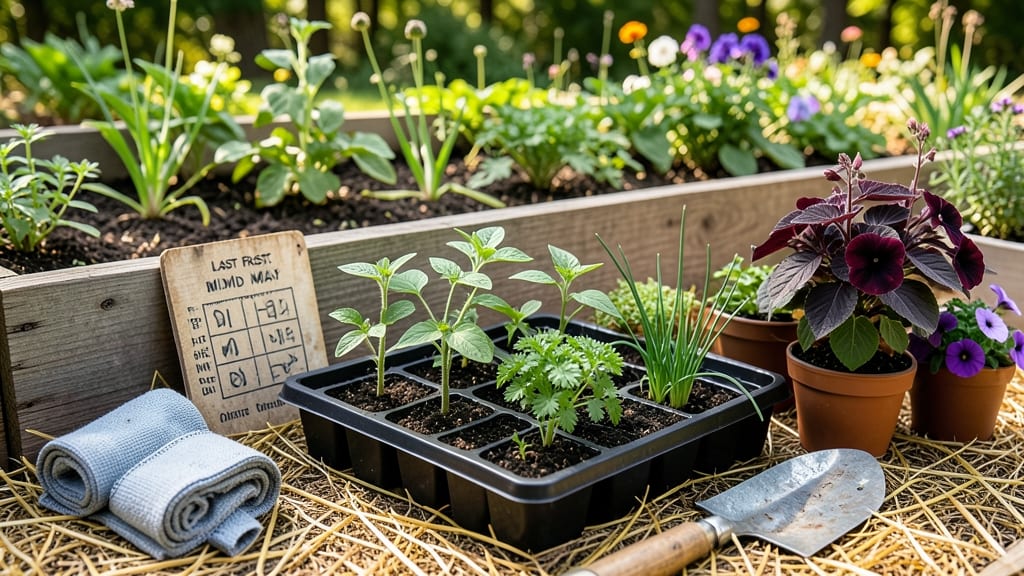
Planting a garden in Michigan at the right time means catching the sweet spot between last frost and summer heat—late April to mid-June for most crops, with a fall window in August.
Michigan’s unpredictable spring weather can leave gardeners scrambling—plant too early and risk frost damage, too late and miss peak harvests. Timing your garden correctly means knowing Michigan’s frost-free zones and ideal planting windows for every season.
Whether you’re in the Upper Peninsula’s cooler Zone 5b or the warmer Zone 6b of southern Michigan, the key is aligning your planting schedule with your local frost dates and crop needs.
Below, I break down the best planting months for Garden Vegetables (General) 🌱, how to prepare your soil, and when to start seeds indoors to maximize your harvest—no guesswork required.
Michigan’s frost-free dates by USDA Hardiness Zone: planting windows explained
Michigan spans USDA Hardiness Zones 4-6, meaning frost dates vary dramatically from the Upper Peninsula to southern regions. Understanding these zones helps you avoid late spring frosts that can devastate tender seedlings or miss fall planting windows for cold-hardy crops.
For example, Zone 4 areas like Marquette may not see their last frost until May 20, while Zone 6 areas like Detroit typically reach frost-free conditions by April 25.
Knowing your frost-free date determines when to start seeds indoors, transplant seedlings, and direct-sow crops. In Michigan, this date ranges from mid-April in the south to early June in the north.
For instance, if you’re in Zone 5b (Grand Rapids), aim to have warm-season crops like tomatoes and peppers ready to transplant by May 10, while cool-season crops such as spinach and kale can handle earlier plantings as soon as March 15 under row covers.
Here’s a summary table breaking down Michigan’s zones, average frost dates, and ideal planting windows for both spring and fall gardening:
| Zone | Avg. Last Frost | Avg. First Frost | Spring Planting Window | Fall Planting Window | Heat-Tolerant Exceptions |
|---|---|---|---|---|---|
| Zone 4 (Upper Peninsula) | May 15–25 | September 20–October 5 | May 20–June 10 | August 1–September 15 | Sweet potatoes, okra |
| Zone 5a (Northern Lower Peninsula) | May 1–10 | October 5–15 | May 1–May 20 | August 15–September 10 | Peppers, eggplant |
| Zone 5b (Central Michigan) | April 25–May 5 | October 10–20 | April 25–May 15 | August 10–September 5 | Tomatoes, basil |
| Zone 6a (Southern Michigan) | April 15–25 | October 20–November 1 | April 15–May 10 | August 5–September 1 | Cucumbers, melons |
For Zone 4 gardeners in the Upper Peninsula, focus on short-season varieties like bush beans and radishes, which mature quickly before the first frost.
Meanwhile, Zone 6 gardeners in southern Michigan can experiment with longer-season crops such as squash and corn, provided they plant after the last frost and use black plastic mulch to warm the soil faster.
One common mistake is assuming all warm-season crops need to wait until after the last frost. While tomatoes and peppers are frost-sensitive, heat-tolerant crops like sweet potatoes and okra can handle earlier plantings in Zone 5b and 6.
Start these 6-8 weeks before your last frost date indoors or in a greenhouse to give them a head start.
Fall planting is equally critical. In Zone 5a, you can direct-sow spinach and carrots as early as August 1 for a harvest before winter. Meanwhile, Zone 6 gardeners can extend their season by planting garlic in October for next year’s harvest.
Always aim to plant 4-6 weeks before your first frost to ensure crops mature before cold sets in.
To check your exact USDA Hardiness Zone and local frost dates, use the Michigan State University Extension’s interactive map. This tool provides hyper-localized data, including 30-year averages and recent trends.
For example, Traverse City (Zone 5b) has seen its last frost date shift 2-3 days earlier over the past decade due to climate change, so always verify current conditions.
Pro tip: Use frost cloth or row covers to push your planting windows earlier. In Zone 4, this can add 2-3 weeks to your growing season for cool-season crops.
Always secure covers with bricks or stakes to prevent wind damage, and remove them during the day to allow pollination for crops like cucumbers and squash
Best crops to plant by month in Michigan: month-by-month guide
Michigan’s short growing season demands strategic planning—cool springs, hot summers, and early frosts mean every planting window counts. I’ve broken down the best vegetables, flowers, and herbs to sow each month, from hardy March starts to frost-tolerant fall crops.
Whether you’re a beginner or seasoned gardener, these timelines align with Michigan’s USDA Zones 4-6 and average frost dates.
March is all about cold-hardy crops like peas, spinach, and onions. These early sowings can handle light frosts and give you a head start. Meanwhile, herbs like cilantro and parsley thrive in cooler weather.
By April, you’ll transition to direct-sown lettuce, radishes, and carrots, while warm-season crops like tomatoes and peppers get a head start indoors.
- 1 March: Start peas, spinach, onions, and hardy herbs (cilantro, parsley). Sow potatoes indoors for early harvests.
- 2 April: Direct-sow lettuce, radishes, carrots. Transplant broccoli, cabbage, and kale. Start tomatoes and peppers indoors for May planting.
- 3 May: Plant warm-season crops (tomatoes, peppers, corn, beans) after last frost. Sow cucumbers, squash, and basil for summer harvests.
- 4 June: Succession plant beans, lettuce, and radishes every 2 weeks. Add marigolds and nasturtiums to deter pests.
- 5 July-August: Plant fall crops like kale, spinach, and carrots. Sow garlic for next year in late August.
- 6 September: Extend harvests with cool-season crops (brussels sprouts, beets). Plant cover crops (clover, vetch) to protect soil.
- 7 October: Plant garlic and hardy onions for next spring. Add winter rye as a green manure crop.
June is your succession planting month—keep sowing beans, lettuce, and radishes every 2 weeks to ensure a steady harvest. Marigolds and nasturtiums are perfect companions, repelling pests like aphids and squash bugs. For summer flowers, plant zinnias, sunflowers, and cosmos to attract pollinators and add color to your garden.
As summer winds down, shift to fall crops like kale, spinach, and carrots, which thrive in cooler weather.
August is also the time to sow garlic for next year’s harvest—plant cloves 2 inches deep and 4 inches apart in well-draining soil. Cover crops like clover or vetch prevent erosion and improve soil health over winter.
September and October are for hardy perennials and bulbs. Plant asparagus crowns and rhubarb for long-term harvests. Winter rye or hairy vetch can be sown as cover crops to protect your soil and add organic matter.
Even in late fall, you can still harvest brussels sprouts, beets, and carrots if covered with straw mulch.
Pro tip: Use row covers or cold frames to extend your season. For example, spinach and lettuce can be grown well into November with protection. And don’t forget—herbs like thyme and oregano are perennial and can be planted in early spring or fall for year-round use.