
Planting
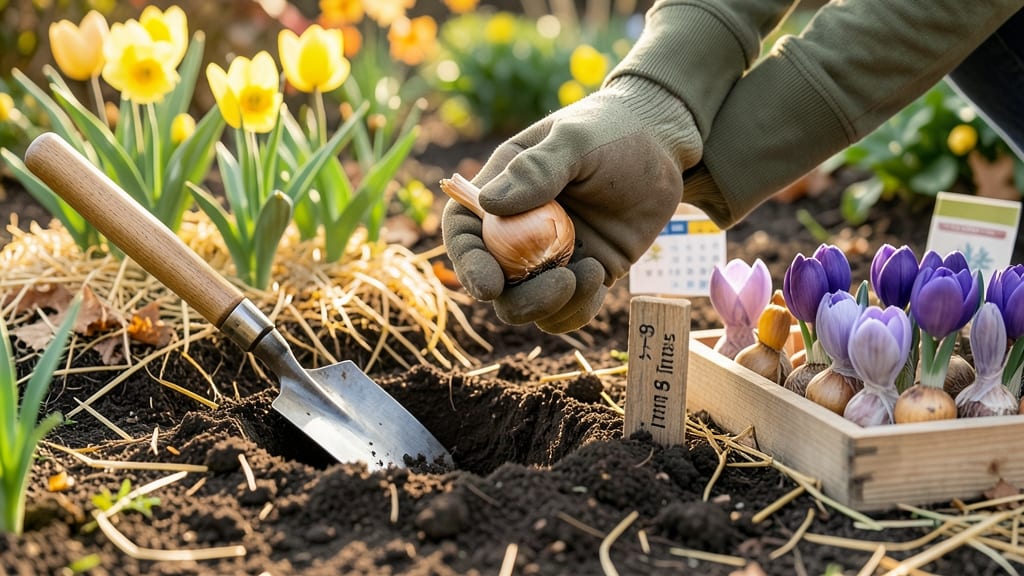
To plant bulbs in your garden at the perfect time means vibrant blooms next spring or summer—no guesswork, just a frost-date formula that works every year.
Planting too early or too late can leave you with weak stems or no flowers at all. But here’s the secret: timing isn’t about memorizing dates—it’s about reading your local frost patterns and adjusting for your zone.
For most gardeners in USDA Zone 6a, that means digging in the ground 6-8 weeks before frost, usually between late September and November for fall plantings.
Why does this matter? Because bulbs need a cool, dormant period to build energy for blooming. Skip that step, and you’ll end up with leggy stems or flowers that flop before they even open.
The good news? With the right approach, you can double your success rate—and I’ll show you exactly how.
Below, I’ll break down the exact frost-date math, the best bulbs for your season, and the 5 timing mistakes that even experienced gardeners make. Ready to turn your garden into a bloom-filled showstopper?
How to calculate your perfect bulb planting time using frost dates
Timing is everything when it comes to planting bulbs. Fall-planted bulbs need time to root before winter, while spring-planted bulbs must avoid early frosts. The key? Understanding your local frost dates and adjusting for your USDA hardiness zone. This simple formula ensures your bulbs bloom beautifully every season.
Start by finding your average last frost date in spring and first frost date in fall. These dates vary by region—check the USDA Plant Hardiness Zone Map or local weather stations for accuracy.
For example, in Zone 6a, the last frost is typically around April 15, while the first frost hits October 15. Use these dates as your anchor points.
Summary Table: When to Plant Bulbs by Season
For spring-blooming bulbs, aim to plant 6-8 weeks before your first frost. This gives roots time to establish before winter. In Zone 6a, that’s typically September 20 to October 31. Use a soil thermometer to confirm temps are below 60°F—this signals bulbs to start rooting.
Summer-blooming bulbs like dahlias and gladioli go in the ground 4-6 weeks before your last frost. In Zone 6a, that’s March 15 to April 15. Wait until soil is workable (50°F+) and frosts are behind you. Planting too early risks frost damage to tender shoots.
Adjust your timing based on your USDA zone. Northern zones (e.g., Zone 3-5) plant earlier in fall to beat shorter growing seasons, while southern zones (e.g., Zone 7-10) can plant later. Use the Almanac’s Frost Calculator or local extension service for precise dates.
Pro tip: Mark your calendar with your frost dates and add the 6-8 week buffer for fall planting. For spring, subtract the 4-6 week buffer from your last frost date. This ensures you’re always planting at the optimal time, no matter where you live.
Don’t forget to prep your soil before planting. Loosen the ground to 6 inches deep and mix in compost for drainage. Bulbs hate soggy soil—amend heavy clay or sandy soil to improve moisture retention. A 2-inch layer of mulch after planting helps insulate roots in winter.
Finally, label your bulbs if planting a mix of varieties. Some bulbs (like daffodils) naturalize and spread, while others (like tulips) may need replanting. Keeping track ensures you’ll have a colorful, organized display next season.
With this frost-date formula, you’ll never guess when to plant bulbs again. Just plug in your local dates, adjust for your zone, and enjoy show-stopping blooms year after year. Happy planting! 🌷
Best bulbs to plant by season: fall vs spring planting schedule
Timing is everything when planting bulbs—spring blooms start with fall planting, while summer displays need spring planting. The key difference? Spring-blooming bulbs like tulips and daffodils need 6-8 weeks of cold dormancy before they burst into color.
Summer-flowering bulbs like dahlias and gladioli, however, thrive when planted in early spring after the last frost.
Your USDA zone dictates exact timing. In zones 3-5, fall planting begins in September, while zones 6-8 can wait until October. For spring planting, March-April is ideal, but always check your last frost date—planting too early risks frost damage.
For fall-planted bulbs, aim to finish planting 4-6 weeks before the ground freezes. Use a soil thermometer—ideal temps are 60°F or below. In containers, plant bulbs deeper (twice their height) to protect from temperature swings.
Summer-flowering bulbs like dahlias and gladioli need warm soil to sprout. Wait until nighttime temps stay above 50°F before planting. In zones 9-10, you can even plant these in winter for earlier blooms!
Pro tip: Layer bulbs for continuous color. Plant crocuses (early spring) under tulips (late spring), then top with alliums (summer). This creates a 3-season show with minimal effort.
Remember: Soil prep matters. Amend with compost for drainage, and add a slow-release fertilizer at planting time. Mulch after frost to insulate bulbs—straw or shredded leaves work perfectly.