
Planting
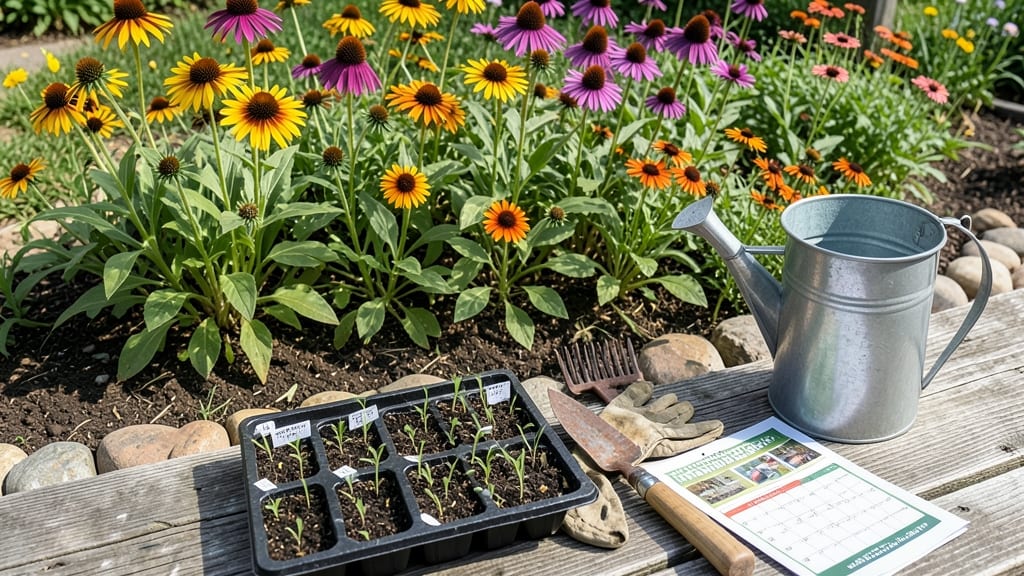
The best time to plant a garden in Tennessee depends on your crop and region, but most gardeners aim for mid-March through early May to beat the last frost 🌱.
Picture this: you’ve prepped the soil, ordered your seeds, and then a late frost hits—your seedlings are gone in a flash. Tennessee’s climate swings from the humid South to the cooler Appalachians, so timing is everything.
Plant too early, and you’ll battle frost damage; too late, and summer heat zaps your harvest.
Whether you’re in Nashville’s Zone 7 or the Appalachian highlands of Zone 6, the key is knowing your last frost date and adjusting for microclimates. Cool-season crops like spinach thrive with early starts, while tomatoes and peppers need warmer soil to take off.
In this guide, I’ll break down the ideal planting windows by zone, crop type, and even weather quirks—so you can skip the guesswork and grow like a pro.
Tennessee planting zones: when to start seeds and transplants by region
Tennessee spans USDA Hardiness Zones 5b through 8a, creating dramatic differences in planting windows. In the Appalachian Mountains (Zone 5b-6a), gardeners face shorter growing seasons, while West Tennessee (Zone 7b-8a) enjoys longer summers.
Understanding these zones—and their last frost dates—is key to timing your garden right for maximum yields.
For most of Tennessee, the average last frost date falls between mid-March and mid-April, but elevation and microclimates shift these windows significantly. Nashville (Zone 7a) typically sees its last frost around April 15, while Knoxville (Zone 6b) often waits until April 25.
Chattanooga (Zone 7b) usually aligns closer to Nashville but can vary by 5-7 days depending on the year.
Here’s the critical distinction: Start seeds indoors 6-8 weeks before your last frost date, while transplanting outdoors should wait until 2-3 weeks after the frost risk has passed. This timing ensures seedlings are strong enough to handle Tennessee’s unpredictable spring weather shifts.
🌱
In Zone 5b-6a, like the Appalachian foothills, gardeners should prioritize cool-season crops (lettuce, spinach, peas) and start warm-season seeds indoors early. For example, tomatoes and peppers need a 6-8 week head start indoors to avoid stunted growth from late frosts.
Use grow lights if natural light is limited during Tennessee’s cloudy spring months.
For Zone 7a-8a, including Nashville and Memphis, the window for direct sowing opens earlier. Beans, cucumbers, and squash can often go straight into the soil by mid-April, while transplants like tomatoes and peppers thrive when moved out by mid-April to early May.
The key is checking soil temperatures—warm-season crops need soil at 60°F or above.
Microclimates play a huge role in Tennessee. A south-facing slope in Nashville might warm 1-2 weeks faster than a north-facing yard, while urban heat islands can delay frost in Memphis.
Use a soil thermometer and monitor local weather forecasts for frost advisories—even in Zone 8a, a late frost can wipe out tender seedlings.
Pro tip: Hardening off seedlings is non-negotiable in Tennessee’s variable spring weather. Gradually expose plants to outdoor conditions over 7-10 days before transplanting. This toughens them up for temperature swings that can occur even after the last frost date.
For fall planting, Tennessee’s first frost typically arrives between October 15 and November 15, depending on the zone. Cool-season crops like kale and broccoli can often be sown as late as September 1 in Zone 7a-8a, while Zone 5b-6a gardeners should aim for late July to early August for a fall harvest.
🌿
Best crops to plant by month in Tennessee: a seasonal calendar for maximum yields
Tennessee’s diverse climate means your planting schedule should shift between Zone 5b (cool Appalachian areas) and Zone 8a (warmer southern regions). Cool-season crops like spinach and broccoli thrive in early spring and fall, while tomatoes and peppers need summer’s heat.
Let’s break it down month by month to maximize your harvest.
For Zone 5b, start cool-season crops like kale and carrots indoors in February and transplant after the last frost (typically mid-April). In Zone 8a, you can plant spinach and lettuce directly in January for early harvests, but protect them with row covers if frost threatens.
| Month | Cool-Season Crops | Warm-Season Crops | Tips for Tennessee |
|---|---|---|---|
| January | Spinach, Lettuce, Peas | None | Zone 8a: Direct sow; Zone 5b: Start indoors |
| February | Broccoli, Cabbage, Radishes | None | Harden off transplants for late March planting |
| March | Kale, Carrots, Onions | Tomatoes (after last frost) | Wait until soil reaches 50°F for warm crops |
| April | Lettuce (shade-tolerant) | Peppers, Eggplant | Mulch to retain moisture in Zone 8a heat |
| May | None (succession plant greens) | Cucumbers, Beans, Corn | Use shade cloth for seedlings in Zone 8a |
| September | Spinach, Radishes, Turnips | Sweet Potatoes, Pumpkins | Zone 5b: Extend season with row covers |
| October | Broccoli, Cabbage, Kale | None | Plant 5-6 weeks before first frost for harvest |
In June and July, focus on heat-loving crops like okra, sweet corn, and squash. These thrive in Tennessee’s summer heat, but mulch heavily to prevent soil from drying out. For Zone 5b, consider shade cloth to protect tender plants like tomatoes from afternoon sun.
As summer winds down, shift to fall crops. Plant garlic in October for next year’s harvest, and sow cool-season greens like arugula and mustard in August for late fall harvests. Use black plastic mulch to warm soil and extend the season in Zone 8a.
For Zone 5b gardeners, row covers are your best friend. They protect spinach and lettuce from early frosts, allowing you to harvest well into November. In Zone 8a, focus on heat-tolerant varieties like Malabar spinach or Swiss chard to avoid summer stress.
Timing is everything in Tennessee gardening. By following this month-by-month guide, you’ll avoid common pitfalls like bolting greens or blossom-end rot in tomatoes. Start small, experiment with succession planting, and soon you’ll have a garden that produces all year long!