
Planting
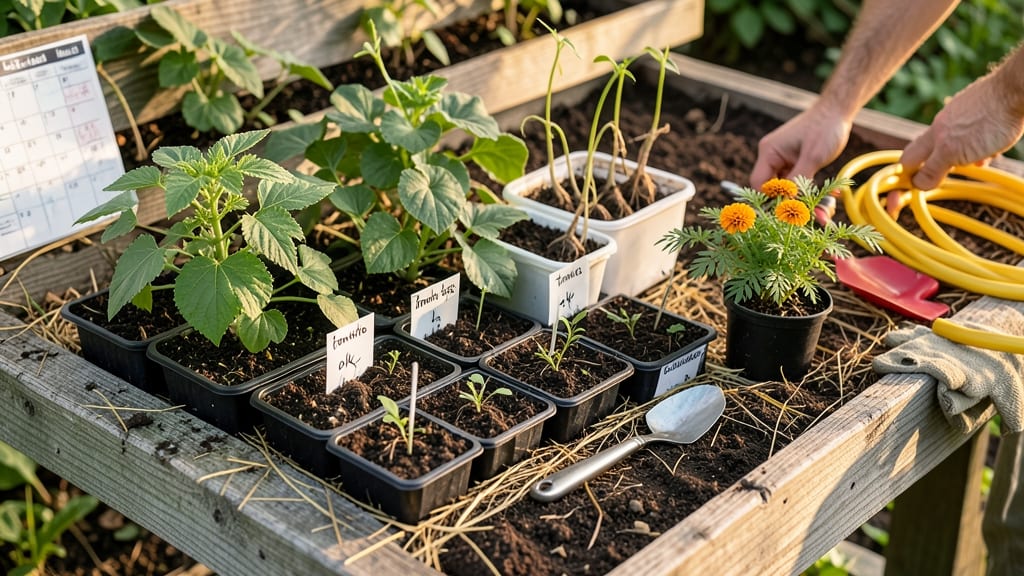
Planting a garden in Georgia at the right time means the difference between a bountiful harvest and a frustrating wait for seeds to sprout.
Georgia’s warm climate and diverse regions make it a gardener’s paradise—but planting too early or late can mean the difference between a thriving harvest and wasted seeds.
Timing is everything, so let’s break down the exact frost-free dates and best planting windows for Georgia’s 10 regions, plus which plants to prioritize for maximum success.
From the Coastal Plain’s early springs to the Appalachian Plateau’s cooler summers, each area has its own schedule.
Cool-season crops like spinach and peas need to go in 4-6 weeks before the last frost, while warm-season favorites like tomatoes and peppers wait until 2-3 weeks after the frost has passed.
Below, I’ll walk you through the best months to start your 🌱 General Garden Vegetables & Flowers, how to adjust for microclimates, and pro tips to extend your growing season—so you can enjoy fresh produce from spring through fall.
Georgia’s frost-free dates by region: when to start planting cool vs warm-season crops
Georgia’s diverse climate spans 10 USDA hardiness zones (6b–8b), creating unique planting windows across regions. The Coastal Plain enjoys earlier springs, while the Appalachian Plateau faces later frost risks.
Understanding your last frost date is critical—planting cool-season crops like spinach too late or warm-season crops like tomatoes too early can ruin your harvest.
Cool-season vegetables thrive in 50–75°F temperatures and should be planted 4–6 weeks before your last frost. Warm-season crops, needing 60–90°F soil temps, wait until 2–3 weeks after the last frost.
Georgia’s frost-free season ranges from 210–240 days, but regional variations mean your neighbor’s schedule might differ by weeks!
Key takeaway: Use your USDA zone and local frost data to align planting with Georgia’s three distinct microclimates—Coastal, Piedmont, and Mountain. Below, we’ve mapped out last frost dates by region and the best planting windows for your favorite crops.
Pro tip: Check your local extension office for precise frost dates—urban areas like Atlanta (Zone 7b) can be 2 weeks later than rural Southwest Georgia (Zone 8a). Even a 10°F temperature swing can delay planting by weeks!
In the Coastal Plain (Zones 8a–8b), you can start spinach and peas in January—a full month earlier than in North Georgia (Zones 6b–7a).
This region’s longer growing season also lets you plant fall crops like broccoli until August 15, while mountain gardeners must wrap up by July 15 to avoid early frosts.
Warm-season crops like tomatoes and peppers need soil temps above 60°F to thrive. In Zone 7b (Atlanta), wait until April 15 to transplant seedlings, but in Zone 8a (Savannah), you can start as early as March 15. Sweet potatoes, a Georgia staple, should go in the ground by May 1 in most regions to mature before frost.
If you’re in Zone 6b (Dalton), consider row covers or cold frames to extend your cool-season growing window. These tools can push your last frost date back by 2–3 weeks, letting you plant lettuce or kale until April 15 instead of March 30.
Just remember: remove covers by May 1 to avoid overheating plants!
For warm-season crops, soil temperature matters more than air temperature. Use a soil thermometer to confirm 60°F+ before planting tomatoes or peppers.
In Zone 8a, soil may hit 65°F by March 1, but in Zone 7b, you might wait until April 15. Basil, a heat-loving herb, won’t germinate below 70°F, so save it for late April in cooler zones.
Georgia’s fall planting window is just as critical as spring. In Zone 8b (Savannah), you can direct-sow carrots or rad
Best planting calendar for Georgia gardens: month-by-month guide for vegetables, Flowers & herbs
Georgia’s diverse climate zones (from Zone 7b in the mountains to Zone 8b in the Coastal Plain) mean your planting schedule depends heavily on where you live. For example, Savannah’s last frost is typically March 1, while Blairsville’s average last frost is April 15.
To maximize your harvest, we’ll focus on month-by-month planting windows for Georgia’s most popular crops, including succession planting tips to keep your garden productive year-round.
Whether you’re growing cool-season greens like lettuce or heat-loving favorites like okra, timing is critical. In this guide, I’ll break down exact planting dates for each month, highlight region-specific adjustments, and share my top succession planting strategies to ensure you’re harvesting fresh produce from spring through fall.
Let’s dive into the calendar!
- February–March: Start cool-season crops like lettuce, spinach, and peas 4–6 weeks before last frost. In Zone 8a (e.g., Macon), you can even direct-sow broccoli and cabbage in late February. Herbs like cilantro and parsley thrive in cooler temps.
- April: Plant warm-season vegetables like tomatoes, peppers, and cucumbers 2–3 weeks after last frost. In Zone 7b (e.g., Atlanta), this is typically mid-April. For South Georgia, start earlier (late March). Succession-sow beans and squash every 2 weeks for continuous harvests.
- May–June: Transplant heat-loving plants like okra, sweet potatoes, and eggplant. Flowers such as zinnias and marigolds can be direct-sown in May. In Zone 8b (e.g., Savannah), you can plant fall crops like collards as early as late June for a winter harvest.
- July–August: Focus on fall planting. Direct-sow beets, carrots, and radishes in July for a September–October harvest. In North Georgia, wait until late July to avoid summer heat stress. Succession plant lettuce every 3 weeks to keep salads coming.
- September–October: Plant cool-season crops like kale, Brussels sprouts, and turnips 8–10 weeks before first frost. In Zone 7b, this means late September. Herbs like dill and chives can also be sown in fall for early spring harvests.
- November–January: Focus on soil prep and winter mulching. Plant garlic and onions in late fall for spring harvests. Cover crops like clover or winter rye can protect your soil and improve fertility for next year’s garden.
For South Georgia (Zones 8a–8b), you can push your planting windows 2–4 weeks earlier than North Georgia. For example, peppers and tomatoes can often be transplanted in late March in Savannah, while Zone 7b gardeners should wait until mid-April.
Always check your local frost dates and adjust accordingly—especially if you’re in a microclimate like a urban heat island or a sheltered valley.
My pro tip for succession planting: Sow fast-growing crops like radishes or lettuce every 2 weeks to ensure a steady supply. For longer-season crops like tomatoes, use cold frames or row covers to extend your harvest into early winter.
With this calendar, you’ll never run out of fresh produce—just adjust for your specific zone and enjoy the rewards of a well-timed garden!