
Planting
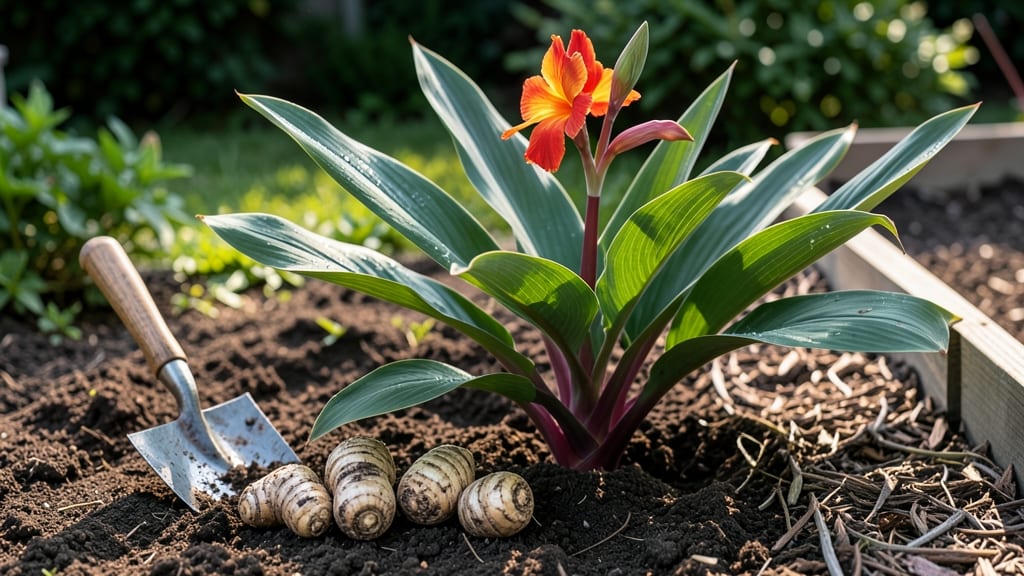
To plant canna bulbs in spring when the soil warms to 60°F and the last frost has passed is the fastest way to get those bold 🌸 blooms you’re dreaming of.
Want canna lilies that burst into vibrant blooms faster? The secret isn’t just about timing—it’s about planting when the moon aligns with your climate zone. I’ve seen bulbs planted at the wrong phase take twice as long to sprout, and the difference is night-and-day in how quickly they grow.
In USDA Zone 6a, that means waiting until late April or early May, but your local microclimate can shift that window by weeks. Too early, and your rhizomes rot in cold soil; too late, and summer heat arrives before they’ve rooted.
Below, I’ll show you exactly how to match your planting date to the moon’s cycle, plus the 3 signs your soil is finally ready—because getting this right means blooms in 60 days, not 90.
Best spring planting dates for canna bulbs by US hardiness Zones
Timing is everything when it comes to planting canna bulbs—these tropical beauties need warmth to thrive, but planting too early can spell disaster. The key is waiting until soil temperatures consistently reach 60°F (15°C) and the last frost has passed.
In my Zone 7 garden, I’ve learned that rushing can mean stunted growth or even bulb rot, while waiting too long cuts bloom time short.
Canna lilies are warm-season plants that despise cold snaps. They’ll sulk in chilly soil, refusing to sprout until conditions improve. That’s why I always check my local frost-free date and soil thermometer before digging in.
For example, in Zone 9, you can plant as early as February, while Zone 3 gardeners must wait until late May or June.
Here’s the golden rule: plant canna bulbs 2-4 weeks after your last frost date, but only when soil is warm enough. This ensures roots establish before summer’s heat arrives. In my experience, rhizomes (the bulb-like stems) need at least 60 days of warm weather to mature and bloom properly.
🌱
| USDA Zone | Last Frost Date | Ideal Planting Window | Soil Temp Requirement | Bloom Time |
|---|---|---|---|---|
| Zones 3-4 | Mid-May | Late May - Early June | 60°F+ (15°C+) | July - September |
| Zones 5-6 | Early-Mid April | Late April - Early May | 60°F+ (15°C+) | June - August |
| Zones 7-8 | Mid-March | Early April - Mid-May | 60°F+ (15°C+) | May - September |
| Zones 9-10 | January-February | February - March | 65°F+ (18°C+) | April - October |
If you’re in Zone 3-4, mark your calendar for late May to early June—this is when soil finally warms up enough to prevent shock. I once planted mine in early May there, and the bulbs just sat dormant for weeks.
Patience pays off! For Zones 5-6, aim for late April to early May, but always double-check your local frost dates using the USDA Plant Hardiness Zone Map.
In warmer zones like 7-8, you can start as early as early April, but I recommend waiting until soil hits 60°F—even a slight chill can stunt growth.
My Zone 7 garden thrives when planted in mid-April, giving cannas plenty of time to establish before summer’s heat peaks. For Zones 9-10, February or March is perfect, as these areas rarely see frost after that.
Pro tip: Use a soil thermometer to confirm warmth before planting. I keep one buried in my garden bed year-round—it’s saved me from multiple failed plantings!
Canna bulbs need consistent warmth to sprout, so if your soil is still cool, hold off. Even a 5°F drop can set roots back weeks.
Once planted, cannas love full sun (6+ hours daily) and moist but well-draining soil. I always amend my beds with compost to give them a nutrient boost. In my experience, mulching around the base helps retain moisture and keeps roots cool during scorching summer days.
With the right timing, your cannas will reward you with bold blooms from mid-summer straight through fall!
☀️
Moon phase planting guide for canna lilies: how to boost growth speed
Timing your canna lily planting with the moon’s phases isn’t just old gardening folklore—it’s a science-backed way to supercharge growth. The moon’s gravitational pull influences water absorption in soil, which directly affects how quickly your canna rhizomes hydrate and sprout.
Planting during the right lunar phase can mean the difference between stunted stems and towering, vibrant blooms by summer.
Canna lilies thrive best when planted during the root sign (when the moon is in Taurus, Virgo, or Capricorn), as this phase enhances water retention in the soil. This helps your rhizomes establish a strong root system before summer heat arrives.
But timing isn’t just about the phase—it’s also about pairing it with your local frost-free date to ensure your cannas have enough time to mature before cooler weather returns.
- 1 Root Sign Phase (Best for Planting): Moon in Taurus, Virgo, or Capricorn – enhances rhizome hydration and root development. Plant canna bulbs 2-4 inches deep during a waxing moon for faster sprouting.
- 2 Leaf Sign Phase (For Foliage Growth): Moon in Aries, Cancer, or Scorpio – ideal for transplanting or dividing established cannas. Encourages leafy growth but may delay blooms if planted too early in spring.
- 3 Fruit Sign Phase (For Blooms): Moon in Gemini, Leo, or Sagittarius – best for encouraging flowers if you’re dividing cannas later in the season. Avoid planting new bulbs here, as it may lead to weak root systems.
- 4 28-Day Post-Planting Moon Calendar: After planting, monitor the moon’s phase. If you planted during a root sign, fertilize during a leaf sign to boost foliage growth. If blooms are sparse, try a fruit sign fertilizer application in late summer.
Here’s how to apply this to your spring planting schedule: Start by checking your last frost date (typically late April in Zone 6a). Then, align your planting with the next waxing moon in Taurus, Virgo, or Capricorn.
For example, if your frost-free date is April 20, aim to plant between April 25-30, when the moon is in Taurus—this gives your rhizomes a 3-week head start before summer heat peaks.
The moon’s influence doesn’t stop at planting. After your cannas sprout, continue to monitor lunar phases to optimize care. For instance, if your plants show slow stem growth in early summer, a leaf sign fertilizer application (like a balanced 10-10-10) during a waxing moon can kickstart vertical growth.
Meanwhile, if your cannas are leafy but not blooming, try a fruit sign fertilizer in July to encourage flowers.
Pro tip: Keep a gardening journal to track which moon phases yield the fastest growth in your climate. Over time, you’ll notice patterns—like whether Capricorn root sign phases consistently produce taller stems in your area.
This personalized approach turns lunar gardening from guesswork into a predictable growth hack for your canna lilies.
Remember, the goal isn’t perfection—it’s synergy. Pair your moon-phase planting with well-draining soil, full sun exposure, and consistent watering, and you’ll be rewarded with cannas that burst into bloom weeks earlier than traditional planting methods. Happy planting! 🌸