
Planting
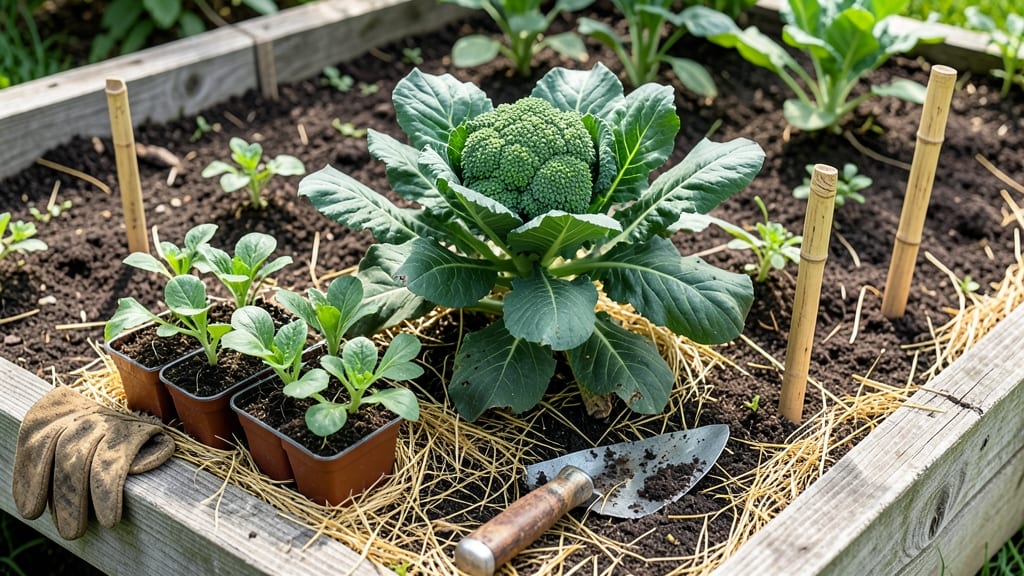
Planting a fall garden in Missouri between August and September sets you up for a bountiful harvest before the first frost 🌱—but timing is everything, especially when weather can shift overnight.
Missouri’s unpredictable fall weather can make or break your cool-season garden—planting too early risks frost damage, while waiting too long cuts your harvest short. Timing is everything, and these climate-zone-specific guidelines will help you maximize your fall garden’s potential.
You’ll learn the exact planting windows for your USDA zone (5b-6a), which crops thrive in Missouri’s shorter days, and how to stretch your harvest with simple tricks like row covers or succession planting.
Whether you’re growing leafy greens, root vegetables, or hardy herbs, this guide covers the key steps to avoid common mistakes and get the most out of your fall garden before winter sets in.
Missouri’s fall planting zones: exact dates by region for cool-season crops
Missouri’s USDA hardiness zones 5a-7a create distinct microclimates where fall planting windows can vary by 3-4 weeks. Northern regions like St. Joseph (Zone 5a) face earlier frosts than southern areas like Poplar Bluff (Zone 7a), making precise timing critical for cool-season crops.
I’ve broken down the ideal planting dates for your top 5 fall vegetables—lettuce, kale, spinach, broccoli, and carrots—based on historical frost data and soil temperature trends.
First, check your last average frost date (typically October 15 in northern MO, November 1 in southern MO). Plant cool-season crops 4-6 weeks before this date to ensure harvest before hard frost.
For example, in Columbia (Zone 6b), that means sowing lettuce by August 25 for a late-October harvest. Use these guidelines to align your planting with your specific zone’s frost timeline.
| USDA Zone | Region Examples | Lettuce | Kale | Spinach | Broccoli | Carrots |
|---|---|---|---|---|---|---|
| 5a (North) | St. Joseph, Kirksville | Aug 1-15 | Aug 10-25 | Aug 15-30 | Aug 1-15 | Aug 10-25 |
| 5b (North-Central) | Columbia, Jefferson City | Aug 10-25 | Aug 15-30 | Aug 20-Sept 5 | Aug 10-25 | Aug 15-30 |
| 6a (Central) | Springfield, Sedalia | Aug 15-Sept 5 | Aug 20-Sept 10 | Aug 25-Sept 10 | Aug 15-Sept 5 | Aug 20-Sept 5 |
| 6b (South-Central) | Poplar Bluff, Cape Girardeau | Aug 20-Sept 10 | Aug 25-Sept 15 | Sept 1-15 | Aug 20-Sept 10 | Aug 25-Sept 10 |
| 7a (Southeast) | Paducah, Farmington | Sept 1-15 | Sept 5-20 | Sept 5-20 | Sept 1-15 | Sept 1-15 |
Notice how carrots and broccoli have slightly later windows than
How to extend your fall garden season with smart techniques
Missouri’s fall weather can be a gardener’s best friend—or worst enemy. With the right strategies, you can push your harvests well past the first frost. The key lies in combining season-extending tools, succession planting, and fast-maturing varieties that thrive in cooler temperatures.
I’ve tested these techniques in my own garden, and they’ve added weeks to my growing season.
One of the simplest ways to extend your fall garden is by using row covers or low tunnels. These lightweight fabrics trap heat during the day and protect plants from light frosts at night.
For example, I’ve used row covers to keep spinach and kale growing until mid-November, even when nighttime temperatures dipped into the 20s.
Here’s how to maximize your fall garden with proven techniques:
- 1 Start with fast-maturing varieties: Choose crops like bush beans (50-60 days), radishes (25-30 days), or turnips (40-50 days) to ensure harvests before hard frost. My favorite? ‘Early Wonder’ peas, which mature in just 55 days.
- 2 Use row covers or cold frames: Lightweight floating row covers add 4-6°F of warmth, while cold frames can extend the season by 6-8 weeks. I’ve kept lettuce and carrots growing until December with a simple cold frame made from a wooden box and clear plastic.
- 3 Practice succession planting: Sow small seeds like radishes or spinach every 2 weeks in late summer. This ensures a continuous harvest before frost. Last year, I planted ‘Cherry Belle’ radishes every 10 days from August to mid-September and enjoyed fresh radishes until October.
- 4 Choose frost-tolerant crops: Some plants, like kale, collards, and broccoli, actually sweeten after a light frost. I’ve left ‘Winterbor’ kale in the garden until January, harvesting outer leaves as needed to keep the plant productive.
- 5 Harvest strategically: For crops like lettuce and spinach, pick outer leaves first to prolong the harvest. I’ve extended my ‘Black Seeded Simpson’ lettuce harvest by 3 weeks by harvesting leaves instead of the whole head.
Don’t forget to mulch your soil in late fall to protect plant roots from temperature swings. A thick layer of straw or leaves insulates the soil, keeping it warmer longer.
I’ve also found that planting near evergreen shrubs creates a microclimate that’s a few degrees warmer, perfect for cool-season herbs like parsley or cilantro.
With these techniques, you can turn Missouri’s fall into a golden harvest season. Start small—try one or two methods this year—and watch your garden thrive well past the first frost. Happy gardening! 🌱