
Planting
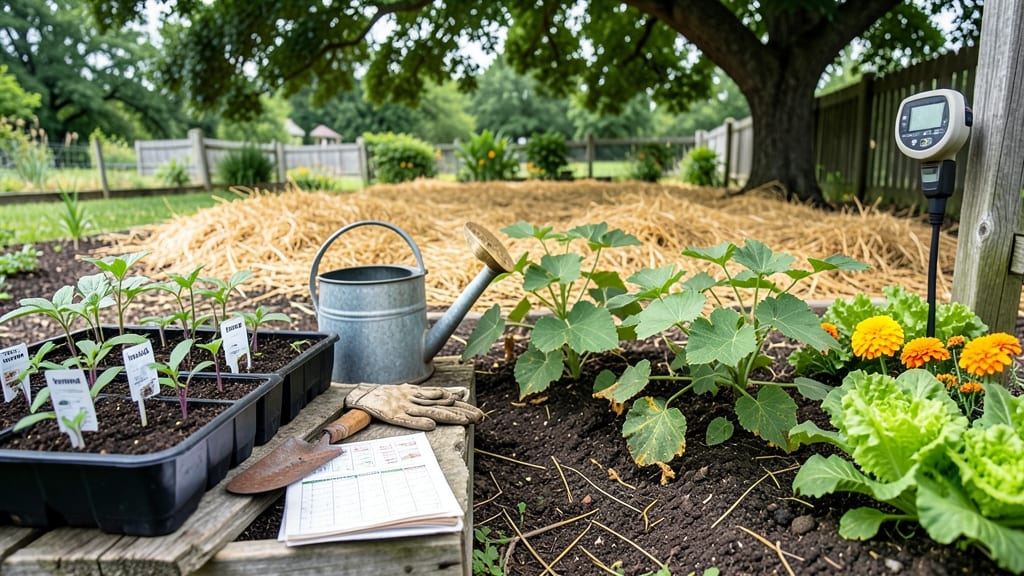
Planting a garden in Missouri means timing your spring and fall plantings around frost dates that can shift two weeks from year to year.
Missouri’s unpredictable frost dates and hot summers can make gardening a challenge—but timing your plantings right ensures a thriving harvest from spring to fall.
In USDA zones 5b-6b, your best window for cool-season crops like lettuce and peas opens in early March, while warm-season favorites like tomatoes and peppers wait until after April 15—when soil finally warms to 50°F.
Below, I’ll break down the exact frost dates by region, which crops to plant when, and how to stretch your growing season with simple hacks for Missouri’s quirky climate.
Missouri frost dates and optimal planting windows by season
Missouri’s USDA hardiness zones 5a-7a create a unique gardening challenge, with late spring frosts and early summer heat. Knowing your last frost date (typically April 15 in northern zones to May 1 in southern Missouri) is critical for timing cool-season crops.
Rural areas often experience earlier frosts than cities like St. Louis or Kansas City, where urban heat islands delay cold snaps.
For warm-season crops like tomatoes and peppers, wait until soil temperatures hit 60°F+—usually mid-May in northern Missouri and early April in the Bootheel. Fall planting for cool-season crops (kale, spinach) should begin 8-10 weeks before first frost (typically early September in the north, late October in the south).
Regional variations matter: St. Louis (zone 6b) averages 180 frost-free days, while Kansas City (zone 6a) gets 170 days. Rural areas like Sedalia (zone 5b) may have only 150 days. Always check local weather forecasts in late March/April for adjustments.
Cool-season crops like broccoli and peas thrive in 40-65°F soil, so plant them 4-6 weeks before last frost. Warm-season crops need 70°F+ soil, so hold off until 2 weeks after last frost. Succession planting every 2-3 weeks maximizes harvests for crops like lettuce and beans.
Missouri’s frost dates shift yearly:
- Northern Missouri (5a-5b): Last frost April 20-May 5, first frost October 10-20
- Central Missouri (6a-6b): Last frost April 10-May 1, first frost October 5-15
- Southern Missouri (7a): Last frost March 15-April 1, first frost November 1-15
Missouri’s microclimates mean your neighbor’s frost dates might differ by 2 weeks. Elevations, urban heat islands, and large bodies of water (like Table Rock Lake) all influence local conditions.
For accurate timing, track your garden’s patterns over 3+ years or use local cooperative extension service data.
Spring planting should prioritize hardy crops like peas, spinach, and kale in March, followed by lettuce and radishes in April. Warm-season crops like tomatoes and cucumbers need soil temps above 60°F, so wait until late May in northern zones. Succession plant beans and squash every 2 weeks
Best heat-tolerant vegetables and flowers for Missouri’s hot summers
Missouri’s summers can push temperatures past 90°F for weeks, making it tough for many plants to thrive. But don’t worry—these heat-tolerant varieties are bred to handle the humidity and intense sun while still producing bountiful harvests.
Whether you’re growing vegetables for your kitchen or flowers for your landscape, these picks will keep your garden vibrant all season long.
For vegetables, focus on varieties that originated in hot climates or have been selectively bred for drought resistance. Many of these plants also improve in flavor and texture when grown in warmer weather.
Flowers, too, can handle the heat—opt for types that bloom prolifically in full sun and require minimal watering once established.
🌡️ Top Heat-Tolerant Plants for Missouri
- Okra – Thrives in 90°F+ heat; plant after last frost in May-June. Harvest pods when 3-4 inches long for tender texture.
- Sweet Potatoes – Perfect for drought-prone areas; plant slips in late May after soil warms to 65°F. Harvest before first frost.
- Black-Eyed Peas – Heat-loving legume; sow seeds in late April-May when soil is 60°F+. Fixes nitrogen in soil!
- Zinnias – Drought-resistant flowers that bloom nonstop; direct sow in May-June after frost risk passes. Deadhead for continuous blooms.
- Sunflowers – Love full sun and heat; plant seeds in May-July for summer-long color. Choose dwarf varieties for containers.
Pro Tip: Mulch with straw or wood chips to retain moisture and keep roots cool. Water deeply 2-3 times per week rather than daily shallow watering.
To set these plants up for success, start with well-draining soil amended with compost or aged manure. Missouri’s clay-heavy soils can bake hard in summer, so mix in organic matter to improve aeration. For container gardens, use lightweight potting mix with added perlite to prevent compaction.
When planting, space vegetables like okra and sweet potatoes at least 18-24 inches apart to allow airflow and reduce disease risk. Flowers like zinnias and sunflowers can handle crowding better, but avoid overplanting to prevent competition for water. Group plants with similar water needs together for efficient irrigation.
Don’t forget to monitor for pests like squash bugs or aphids, which thrive in hot weather. Use neem oil or insecticidal soap as needed, and always apply in the early morning to avoid harming beneficial insects.
With these heat-tolerant picks and a few smart adjustments, your Missouri garden will stay productive and beautiful all summer long.