
Planting
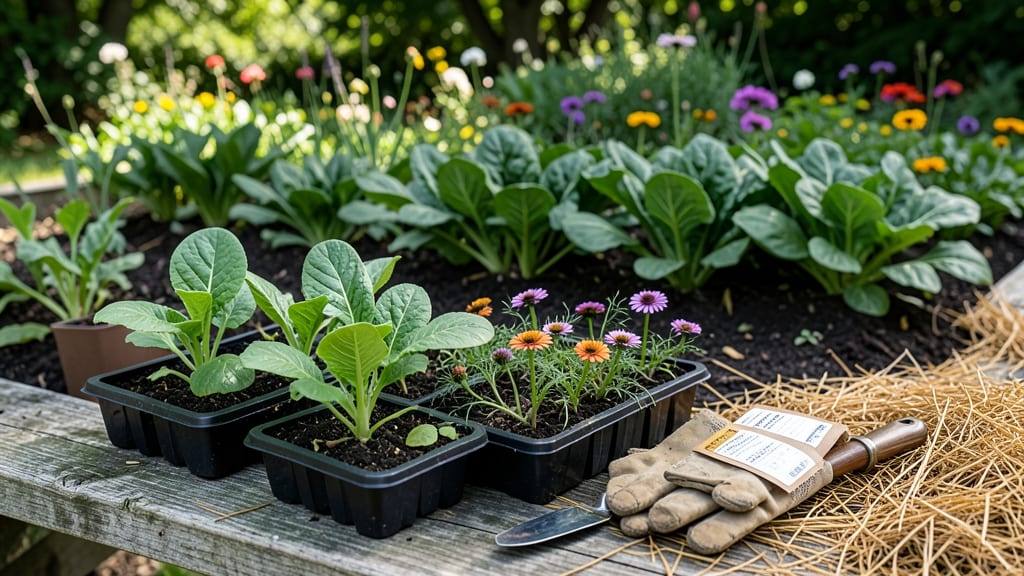
Planting your garden in Georgia at the right time means the difference between a thriving harvest and a frustrating loss—get the timing wrong, and you’ll battle pests, heat stress, or stunted growth before you even see a sprout.
Georgia’s humid subtropical climate throws a wrench into the usual planting rules. What works in the Piedmont might fail in the Coastal Plain, and mountain regions play by their own schedule. Without a clear plan, you could end up with bolted lettuce or sun-scorched tomatoes.
This guide breaks down the exact planting windows for Georgia’s three distinct climate zones, from frost dates to heat-sensitive crops. You’ll learn when to start seeds indoors, when to transplant, and how to adjust for urban heat islands or rural microclimates.
Ready to grow more with less guesswork? Here’s your step-by-step calendar for peak yields—no wasted seeds, no missed harvests, just a garden that works with Georgia’s weather, not against it.
Georgia planting calendar by month: what to sow for each season
Georgia’s three distinct climate zones—coastal, Piedmont, and mountain—create unique planting windows. Coastal areas like Savannah enjoy earlier last frosts (mid-February), while North Georgia’s mountain regions face late frosts until March 15.
Understanding these zones ensures you plant warm-season crops like tomatoes and peppers at the right time to avoid heat stress or frost damage.
For all regions, cool-season crops like lettuce and broccoli thrive in fall and early spring, while warm-season crops (think okra and sweet potatoes) need to wait until after the last frost. Below is your month-by-month guide, tailored to Georgia’s USDA zones 7a–8b, with adjustments for elevation and humidity.
In coastal Georgia,
How Georgia’s microclimates affect planting timing (and how to adapt)
Georgia’s diverse geography creates three distinct microclimates—coastal, Piedmont, and mountain—each with unique frost dates and heat tolerance thresholds. If you plant tomatoes in Savannah when Atlanta gardeners plant peppers, you’ll end up with wilted seedlings.
The key? Adjusting your schedule by 2-4 weeks depending on your elevation and humidity levels.
Coastal areas like Savannah experience earlier frost-free dates (by mid-February) and higher humidity, while Atlanta’s Piedmont region faces later frosts (mid-March) and more extreme summer heat. Mountain regions like Blue Ridge can have 100+ days of frost-free growing season compared to 240+ days in coastal zones.
Why this matters: A cool-season crop like broccoli needs 60-80 days to mature. Plant it too early in the Piedmont, and it bolts before harvest. Plant it too late in Savannah, and it struggles with summer heat. The solution? Use local frost data and adjust planting windows by 1-2 weeks per 100 feet of elevation.
Soil composition also plays a role. Coastal areas often have sandy, fast-draining soil that requires daily watering during dry spells, while Piedmont soils are clay-heavy and need amendment with compost. Test your soil’s pH and adjust planting times for acid-loving crops like blueberries (pH 4.5-5.5) or alkaline-tolerant okra (pH 6.0-8.0).
For heat-sensitive crops like lettuce or spinach, coastal gardeners can plant in late summer (August-September) for fall harvests, while Piedmont gardeners should wait until October. Conversely, heat-lovers like okra and sweet potatoes thrive in coastal heat but may struggle in mountain regions unless planted in containers for mobility.
Pro tip: Use local extension office data (UGA Extension is a goldmine) and observe your garden’s microclimate. A south-facing wall can add 10°F of warmth to a bed, while a shaded corner may delay planting by 2 weeks.
With these adjustments, you’ll sync your garden’s rhythm with Georgia’s ever-changing climate—no more wasted seeds or stressed plants! 🌱