
Companion Plants
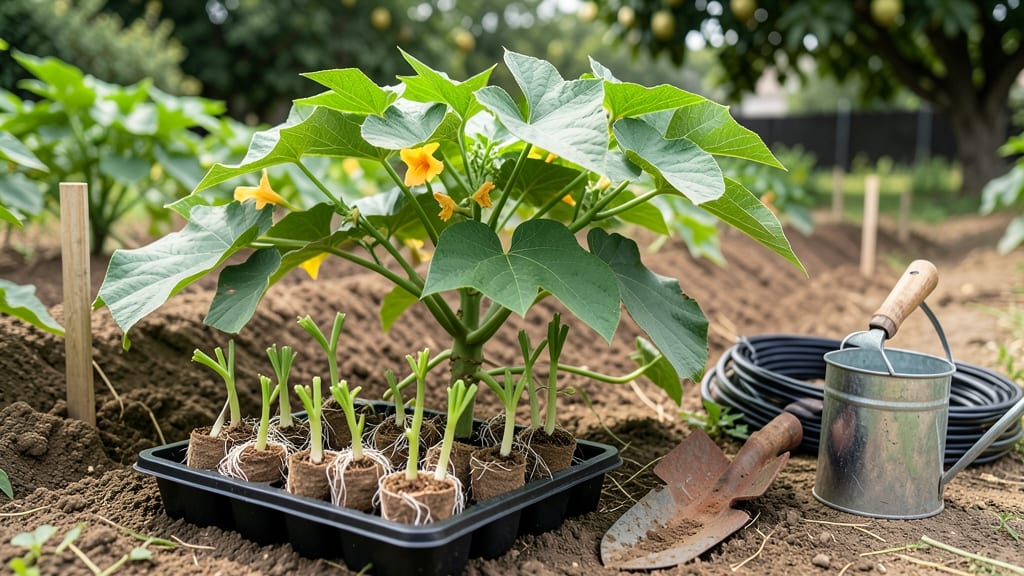
To plant sweet potatoes in Pennsylvania, wait until after the last frost when soil temperatures consistently reach 65°F (18°C), typically between late May and early June. Start slips indoors 2-3 weeks earlier if needed for a head start.
Pennsylvania's climate varies dramatically between its southern and northern regions, which directly impacts when you should plant. 🌱 In the southern part of the state, like near Harrisburg, you might start as early as mid-May, while areas closer to Erie often need to wait until late June.
The key is soil temperature—sweet potatoes won't thrive in cooler soils, so always check a soil thermometer before planting. Many gardeners in PA opt to start slips indoors 4-6 weeks before the last frost date to give their crops a longer growing season.
Another critical factor is your specific variety. Some sweet potato types mature faster than others, which can help you extend your planting window. For example, 'Beauregard' is a popular choice that typically matures in about 90 days, while 'Georgia Jet' takes closer to 100 days.
This means you might get away with planting Georgia Jet slightly earlier in the season in warmer microclimates, like near the Delaware River.
💡 In This Article
- Understanding Pennsylvania’s Sweet Potato Planting Climate Zones
- Preparing Sweet Potato Slips for Pennsylvania’s Short Growing Season
Understanding Pennsylvania’s sweet potato planting climate zones
Pennsylvania spans USDA hardiness zones 5 through 7, which means frost-free dates and growing seasons vary dramatically across the state. In the southern regions like Philadelphia (zone 7a), the average last frost occurs around April 15, giving gardeners a longer window to plant sweet potatoes.
Meanwhile, in Pittsburgh (zone 6b) or Erie (zone 5b), frost lingers until May 15 to May 30, pushing planting back by 4-6 weeks. This variance explains why gardeners in Scranton might need to wait until late June while those in Lancaster can start as early as mid-May. 🌡️
The real game-changer is soil temperature, not just air temperature. Sweet potatoes require soil that stays consistently above 65°F (18°C) for optimal root development. A soil thermometer is your best friend here—planting too early in cool soils (55°F or below) can stunt growth or lead to rot.
In cooler northern PA regions, this might mean waiting until late June even if the last frost passed earlier. The roots need warmth to initiate growth, and cooler temperatures slow down the enzymatic processes that convert starches into sugars in the tubers.
Another critical factor is your specific microclimate. Urban areas like Philadelphia often experience the "urban heat island" effect, where pavement and buildings trap heat, allowing for earlier planting. In contrast, rural areas with more open land may stay cooler longer.
I’ve seen gardeners in Reading, PA, plant 2 weeks earlier than their neighbors just 10 miles away because of this effect. Pay attention to nearby fields, gardens, or even parking lots—if they’re already warm to the touch by late afternoon, your soil might be ready too.
For those in zone 5 areas (like Erie), extending the season is key. Using black plastic mulch can raise soil temperatures by 5-10°F, creating a warmer microclimate that lets you plant 2-3 weeks earlier.
This technique works by absorbing sunlight and radiating heat back into the soil, mimicking the warmer conditions found in southern PA. It’s a simple but effective way to push the limits of your growing season. 🌱
Don’t overlook the role of nighttime temperatures either. Sweet potatoes thrive when daytime highs are in the 75-85°F (24-29°C) range but can struggle if nights dip below 60°F (15°C). In Pennsylvania’s transitional spring, this often means waiting until early June to ensure stable conditions.
The plants are sensitive to cold snaps, which can cause blossom-end rot or stunted growth—something you definitely want to avoid with a crop that takes 90-110 days to mature.
Finally, consider your elevation. Higher elevations (like those in the Pocono Mountains) will always have shorter growing seasons. If you’re above 1,000 feet, plan to start slips indoors and use season-extending techniques like row covers.
These can add 2-4 weeks to your growing season by trapping heat and protecting against late frosts. It’s all about working with Pennsylvania’s diverse climate rather than fighting it.