
Planting
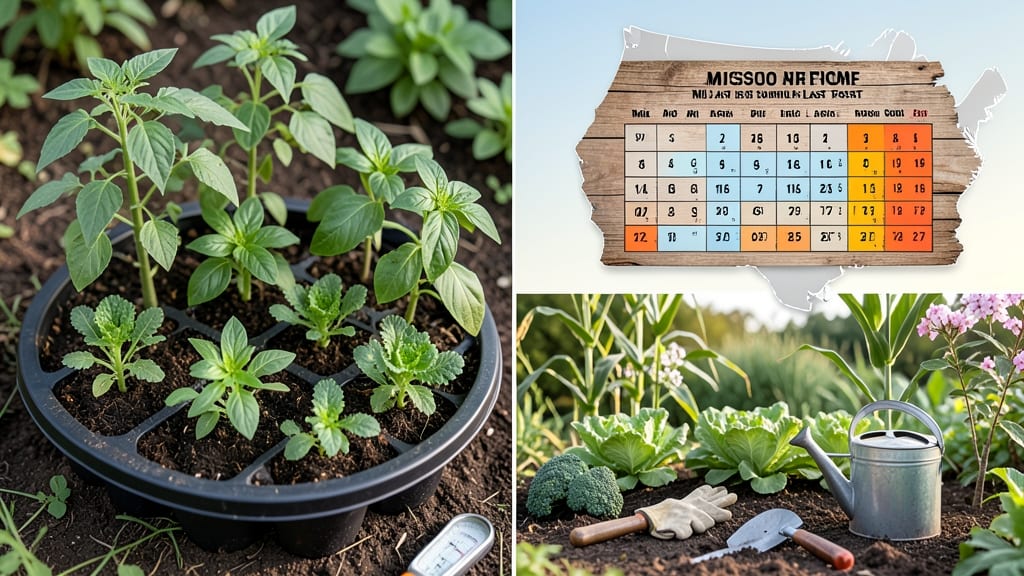
Planting your garden in Missouri at the right time means the difference between a bumper crop and a season of disappointment — and the best window starts 2-3 weeks after your last frost, when soil warms to 60°F.
Missouri’s unpredictable weather can make timing your garden planting a real challenge—but getting it right means the difference between a thriving harvest and a wasted season.
Whether you’re sowing cool-season greens in early spring or warm-season tomatoes in late spring, knowing your region’s frost dates is the key. St. Louis and Kansas City have slightly different schedules, and the Ozarks can be even trickier.
Below, I break down the exact planting windows by crop type, regional frost maps, and how to adjust for late springs or early heatwaves. Ready to dig in?
Missouri frost dates by region: when to start planting cool vs warm-season crops
Missouri’s diverse climate means frost dates can vary by hundreds of miles—even within the same county. Understanding your USDA hardiness zone (typically 5b-6b) helps narrow down planting windows, but local microclimates (like river valleys or hilltops) can shift frost dates by 1-2 weeks.
For example, St. Louis (Zone 6b) averages its last frost on April 15, while Kansas City (Zone 6a) often sees frost linger until April 22. These differences matter when choosing between cool-season crops (like spinach) and warm-season crops (like tomatoes).
Cool-season crops thrive in cooler temperatures (40°F-75°F) and can often handle light frosts, while warm-season crops need consistent warmth (60°F+ soil) to germinate. In Missouri, this means spring planting for cool-season crops starts as early as March in southern regions, while northern areas wait until April.
Warm-season crops, however, must wait until after the last frost—typically mid-April to early May—with soil temperatures at least 60°F.
Missouri’s five climate regions—Northwest, Northeast, Southwest, Southeast, and Ozarks—each have unique frost patterns. The Ozarks (Zone 6a-7a) often experience later frosts due to higher elevations, while the Southeast (Zone 7a) near Memphis can plant 2-3 weeks earlier than northern Missouri.
Below is a breakdown of average frost dates and ideal planting windows for each region, along with region-specific exceptions to watch for.
🌱 Key Takeaway: Always check your local frost dates using the Missouri State Climate Office or University of Missouri Extension for the most accurate timing. Even a single late frost can devastate tender seedlings like tomatoes or peppers.
| Region | USDA Zone | Avg Last Frost | Avg First Frost | Cool-Season Planting | Warm-Season Planting |
|---|---|---|---|---|---|
| Northwest (e.g., St. Joseph, Kansas City) | 6a | April 22 | October 15 | March 15 – April 15 | May 1 – May 15 |
| Northeast (e.g., Columbia, Jefferson City) | 6a-6b | April 15 | October 20 | March 1 – April 1 | April 20 – May 10 |
| Southwest (e.g., Springfield, Joplin) | 6b-7a | April 5 | October 25 | February 28 – March 15 | April 1 – April 20 |
| Southeast (e.g., Cape Girardeau, Poplar Bluff) | 7a | March 20 | November 5 | February 1 – March 1 | March 20 – April 10 |
| Ozarks (e.g., Branson, West Plains) | 6a-7a | April 10 | October 30 | March 1 – April 1 | April 15 – May 1 |
In the Northwest, where Zone 6a dominates, gardeners should wait until May 1 to plant tomatoes or peppers—late frosts in April are common. Meanwhile, the Southeast can start warm-season crops as early as March 20, giving them a longer growing season.
The Ozarks, with their higher elevations, often see delayed last frosts, so I recommend holding off on planting until April 15 unless you’re growing hardy cool-season crops like kale or carrots.
For cool-season crops, like spinach, lettuce, and peas, you can start seeds 4-6 weeks before your last frost date
Best planting schedule for Missouri gardens: month-by-month calendar for vegetables & flowers
Timing your Missouri garden right can feel like solving a puzzle—especially when spring frost dates shift yearly. But with a month-by-month schedule, you’ll know exactly when to plant cool-season crops like spinach and warm-season favorites like tomatoes.
The key? Start 4-6 weeks before last frost for cold-hardy veggies and wait until soil hits 60°F for heat-lovers.
Missouri’s USDA Zones 5b-6b give us a 160-190 day growing season, but regional variations mean your St. Louis garden might have a 2-week advantage over northern Missouri. Raised beds warm faster, so they’re perfect for early spring starts—just adjust your timeline by 10-14 days if you’re using them.
Here’s your actionable planting calendar, packed with specific dates, succession planting tips, and flower pairings to attract pollinators:
-
March (Cool-Season Start)
Plant peas, spinach, broccoli, and zinnias (hardy annuals). Use frost cloth if nights dip below 28°F. -
April (Last Frost Window)
Direct-sow lettuce, carrots, radishes. Start tomato/pepper seedlings indoors (transplant after April 15). -
May (Warm-Season Kickoff)
Plant cucumbers, beans, squash after soil hits 60°F. Interplant marigolds to deter pests. -
June (Succession Planting)
Sow bush beans, summer squash, zucchini every 2 weeks for continuous harvests. Deadhead zinnias for more blooms. -
July (Peak Heat)
Direct-sow fall lettuce, kale for late harvests. Mulch tomatoes/peppers to retain moisture. -
August (Fall Prep)
Plant broccoli, cabbage, peas for September-October harvests. Add compost to soil for next spring. -
September (Cool-Season Revival)
Sow spinach, radishes, garlic. Transplant pansies for winter color.
For continuous harvests, try succession planting: Sow lettuce or radishes every 2 weeks from April to August. Pair tomatoes with basil and peppers with marigolds to boost flavor and deter pests. In raised beds, you can plant 10-14 days earlier than in-ground gardens because soil warms faster.
Missouri’s fall harvests are often the sweetest—broccoli, carrots, and kale planted in August thrive through October’s cooler temps. Just remember: stop fertilizing 4-6 weeks before first frost to let plants harden off. Save seeds from your best tomatoes or zinnias for next year’s garden!
With this schedule, you’ll maximize your Missouri garden’s potential, whether you’re growing vegetables for your table or flowers for pollinators. Happy planting—your future harvests will thank you! 🌱