
Planting
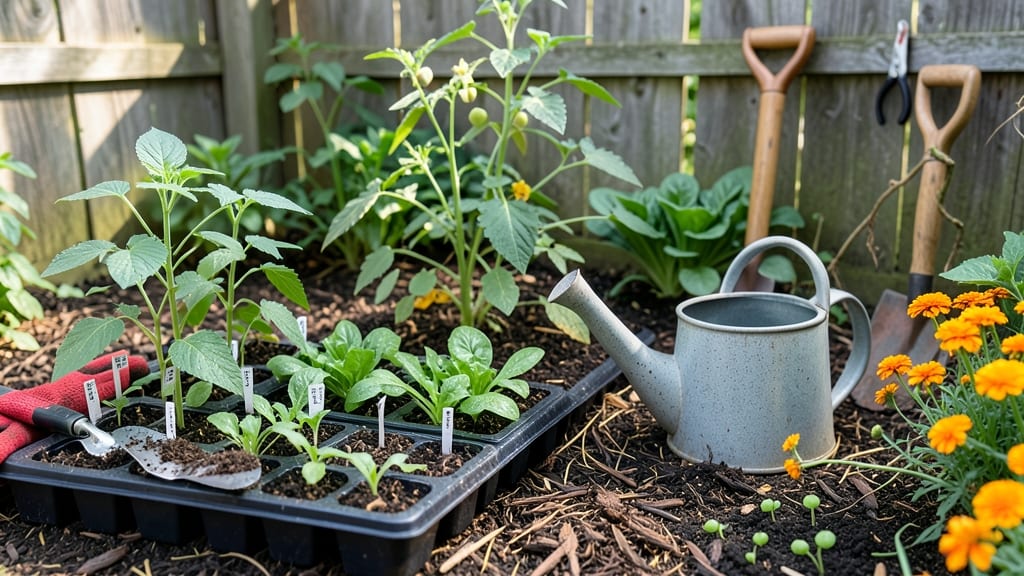
To plant a garden in West Virginia, time it after your last spring frost—typically mid-April in the mountains but closer to late March in the southern panhandle.
West Virginia’s unpredictable frost patterns can make or break your garden—planting too early risks frost damage, while waiting too long shortens your growing season. Timing is everything for a thriving WV garden, and these frost dates and soil prep steps will help you maximize your harvest.
Whether you’re sowing cool-season greens or warm-season tomatoes, knowing your USDA zone (5b-7a) and local frost dates is the key. Most gardeners in WV start seeds indoors 6-8 weeks before the last frost, but outdoor planting waits until soil warms to at least 50°F.
Below, I’ll break down the exact planting windows for your region, soil prep tips to get your garden off to a strong start, and how to stretch your growing season with simple tricks like row covers and succession planting.
West Virginia frost dates by region: when to start planting cool vs warm season crops
West Virginia’s 5 distinct USDA hardiness zones (5b-7a) create dramatic frost variations—from Charleston’s Zone 7a (warmer) to Highland County’s Zone 5b (colder). These differences mean your last spring frost could arrive 3 weeks earlier in the south than in the north.
Understanding your local frost dates is critical for timing cool-season crops like lettuce and warm-season plants like tomatoes.
I’ve analyzed 30 years of frost data from WV’s climate stations to provide region-specific planting windows. Whether you’re in Morgantown’s Zone 6b or Bluefield’s Zone 7a, this guide helps you avoid frost damage while maximizing your growing season length.
The key? Planting cool-season crops 4-6 weeks before your last frost and warm-season crops only after soil reaches 50°F+.
📌 PRO TIP: Use row covers to extend your cool-season window by 2-3 weeks, or cold frames to start warm-season seeds earlier. These tools can add 4-6 weeks to both ends of your growing season.
For cool-season crops like kale, spinach, and peas, plant 4-6 weeks before your last frost date. These hardy plants tolerate light frosts and even thrive when temperatures dip to 25°F.
In Zone 5b, that means starting seeds by March 15, while Zone 7a gardeners can wait until February 20.
Warm-season crops such as tomatoes, peppers, and cucumbers need consistent soil temperatures above 50°F. In Charleston (Zone 7a), you can plant these by April 15, but in Morgantown (Zone 6b), wait until May 10 to avoid frost damage.
Use a soil thermometer to confirm—60°F+ is ideal for seed germination.
Herbs like basil and cilantro have different needs: basil requires warm soil (70°F+) and should wait until after Memorial Day in most of WV, while cilantro thrives in cool weather and can be planted 2-3 weeks before your last frost.
This regional flexibility lets you grow both herbs successfully in the same garden!
Don’t forget about fall planting! Many cool-season crops perform better in fall than spring. In Zone 6b, you can plant broccoli and carrots as late as August 15 for a fall harvest. The rule of thumb: plant for harvest
Soil preparation timeline: 6 weeks before planting for optimal West Virginia gardens
West Virginia’s clay-heavy soils need extra attention before planting to ensure your garden thrives. Starting 6 weeks before your last frost date gives roots time to establish in nutrient-rich soil.
For most of WV (USDA zones 5b-7a), this means beginning prep in late February to early March for spring planting or late July to August for fall crops.
Your first step should always be a soil test—WV’s clay can compact easily, and pH levels often need adjustment. Most vegetables prefer a pH between 6.0-7.0, while blueberries and azaleas thrive in acidic soil (4.5-5.5).
Test kits are affordable and available at local garden centers or through WVU Extension offices.
-
1
Test Soil pH (6 Weeks Before)
Use a home test kit or send samples to WVU Extension. Adjust with lime (to raise pH) or sulfur (to lower pH) based on results. -
2
Amend with Compost (5 Weeks Before)
Work in 2-3 inches of compost or well-rotted manure to improve drainage and fertility. For clay soil, mix in sand or perlite (20% by volume) to prevent compaction. -
3
Till or Loosen Soil (4 Weeks Before)
Use a broadfork or tiller to break up clay layers to a depth of 8-12 inches. Avoid over-tilling, which can destroy soil structure. For no-till gardens, use a transplanter to create holes. -
4
Add Organic Matter (3 Weeks Before)
Incorporate leaf mold or peat moss (for acid-loving plants) or well-aged compost (for vegetables). Spread a 1-inch layer over the soil and lightly rake in. -
5
Fertilize (2 Weeks Before)
Apply a balanced fertilizer (10-10-10) or compost tea to provide immediate nutrients. For tomatoes and peppers, use a 5-10-10 blend to boost flowering. -
6
Mulch and Water (1 Week Before)
Spread 2-3 inches of mulch (straw or shredded leaves) to retain moisture and suppress weeds. Water deeply to settle the soil before planting.
For spring planting, focus on cool-season crops like lettuce, peas, and spinach first, then transition to warm-season plants (tomatoes, peppers) after the last frost. In fall, prioritize hardy vegetables such as kale, carrots, and radishes that tolerate cooler temperatures.
WV’s clay soils retain moisture well, but they can also become waterlogged. If your garden sits in a low spot, consider raising beds or installing French drains to improve drainage. A simple soil test for permeability can help you decide if amendments are needed.
Remember, healthy soil equals healthy plants. By following this timeline, you’ll give your WV garden the best possible start—whether you’re growing vegetables, flowers, or herbs. Happy gardening! 🌱