
Planting
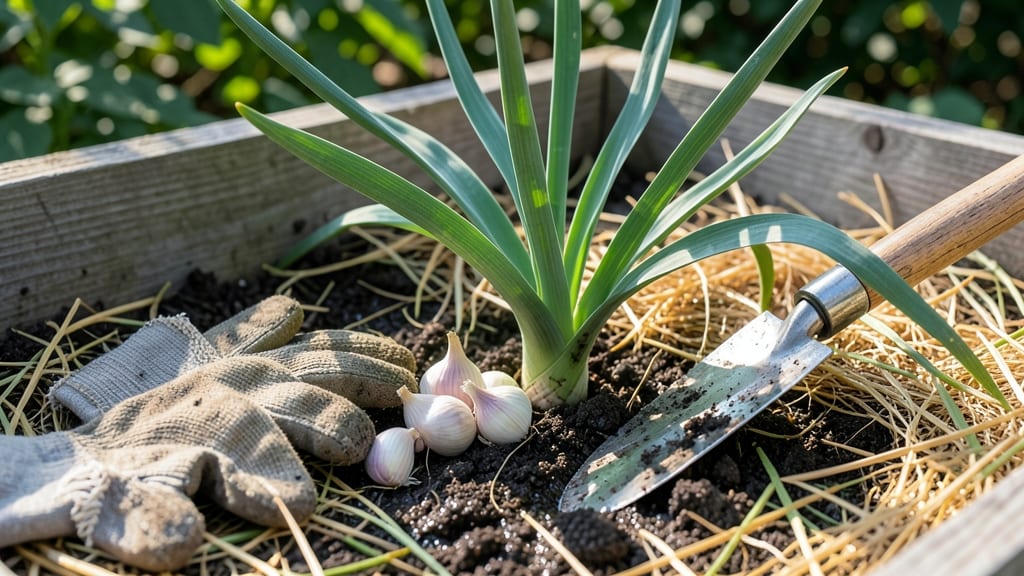
Planting garlic in Zone 8 during the fall is the secret to growing bold, flavorful bulbs that dwarf store-bought varieties.
If you're growing garlic in Zone 8, timing your fall planting correctly could mean the difference between puny cloves and robust, flavorful bulbs—here’s exactly when and how to do it right.
Zone 8’s mild winters give you a 4-6 week window between October and November to plant garlic before the ground freezes. This timing lets the cloves establish roots while the soil stays cool, setting the stage for next summer’s harvest.
In this guide, I’ll walk you through the perfect planting schedule, soil prep, and care tips to ensure your 🧄 thrives—whether you’re in Southern California or Tennessee.
Best fall planting window for garlic in Zone 8
In Zone 8, where winters are mild but still cool enough to trigger garlic's dormancy cycle, timing your fall planting is everything. The 4-6 week window before the ground freezes gives garlic roots time to establish before winter sets in, leading to larger bulbs the following summer.
This window typically falls between mid-October and early November, but exact timing depends on your local frost dates and soil temperatures.
Garlic needs consistent soil temperatures between 40°F and 60°F (4°C to 15°C) for optimal root growth before winter. If you plant too early, the cloves may sprout and get damaged by early frosts.
Planting too late, however, means the roots won’t have enough time to anchor before the ground freezes, resulting in smaller, weaker bulbs. Zone 8’s variable climate—like Southern California’s coastal regions versus Tennessee’s inland areas—means you’ll need to adjust based on your specific microclimate.
Soil temperature is your best guide. Use a soil thermometer to confirm the ground is below 60°F (15°C) but hasn’t yet frozen. In most of Zone 8, this happens in late October to early November. If your area experiences early frosts (like parts of the Central Valley), aim for mid-October. For coastal areas with milder winters (e.g., San Diego), you can push planting to early November.
Here’s how to adjust your planting window based on your Zone 8 subregion:
Once you’ve nailed down your planting window, focus on soil preparation. Garlic thrives in well-draining, slightly acidic soil (pH 6.0–7.0). Work in 2–3 inches of compost or well-rotted manure before planting to provide nutrients without overfeeding, which can lead to foliar diseases.
Avoid fresh manure, as it can burn cloves and attract pests like garlic flies.
If your first frost is unpredictable (like in Zone 8a), consider using row covers or a light mulch (like straw) to protect newly planted cloves. This extra layer can buy you 1–2 weeks of growing time if frost arrives early.
In Zone 8b, where winters are even milder, you might not need this, but monitoring soil temperatures is still key.
Pro tip: Plant your garlic 2–3 weeks before your average first frost date. This gives roots time to establish without encouraging premature top growth, which can be damaged by light frosts.
For example, if your area typically sees frost by December 1, aim for a mid-November planting. Use a frost calendar for your specific location to fine-tune your schedule.
After planting, mulch heavily (4–6 inches of straw or leaves) to insulate the soil and protect cloves from temperature fluctuations. This is especially critical in Zone 8, where winters can swing from 50°F (10°C) to 30°F (-1°C) overnight.
Mulch also suppresses weeds and retains moisture, giving your garlic a head start in spring.
Remember, garlic planted in fall is a long-term investment. The bulbs you harvest next summer will be 30–50% larger than those planted in spring because of the winter chilling period required for optimal bulb development.
By mastering your Zone 8 planting window, you’re setting yourself up for bigger, more flavorful harvests year after year.
🌱
How to choose and prepare garlic cloves for Zone 8 planting
Choosing the right garlic cloves and preparing them properly is half the battle for a bountiful harvest in Zone 8. With milder winters, your selection and prep can make or break bulb development. Let’s break down how to pick the best cloves and get them ready for planting.
First, decide between hardneck and softneck varieties. Hardnecks like 'Silverskin' or 'Rockville' thrive in colder climates but can still work in Zone 8. Softnecks like 'Artichoke' or 'Silverskin' store longer and do well in milder winters. For Zone 8, I recommend softnecks for storage flexibility.
When selecting cloves, look for plump, firm bulbs with tightly wrapped layers. Avoid any with sprouts or soft spots—these won’t grow well. Break bulbs into individual cloves just before planting, keeping the papery skin intact to prevent drying. Larger cloves produce bigger bulbs, but even medium-sized ones will grow well.
Now, let’s talk about breaking bulbs properly. Use a sharp knife to separate cloves from the bulb, but don’t peel the skin. The skin protects the clove from disease and retains moisture.
Store them in a cool, dry place for up to two weeks before planting to ensure they’re ready to sprout.
| Variety Type | Best For Zone 8 | Clove Size | Pre-Planting Tip |
|---|---|---|---|
| Hardneck | Cold-hardy, shorter storage | Large to medium | Plant early for bulb growth |
| Softneck | Longer storage, milder winters | Medium to small | Break bulbs 1-2 weeks before planting |
| Elephant Garlic | Mild flavor, larger bulbs | Extra large | Plant in well-draining soil |
Before planting, soak cloves in water for 4-6 hours to encourage root growth. This step is especially helpful in dry Zone 8 soils. Drain well before planting to avoid waterlogging. Plant cloves 2 inches deep, pointy end up, in loose, well-draining soil with compost mixed in for nutrients.
For Zone 8’s mild winters, focus on protecting cloves from temperature swings. Use a 2-4 inch mulch layer of straw or leaves after planting to insulate the soil. This keeps roots from freezing while allowing airflow to prevent rot. In spring, remove mulch gradually to avoid shocking emerging shoots.
With the right cloves and prep, your Zone 8 garlic will thrive even in milder winters. Start with healthy stock, plant at the right depth, and protect with mulch—your future harvest will thank you! 🌱