
Plants
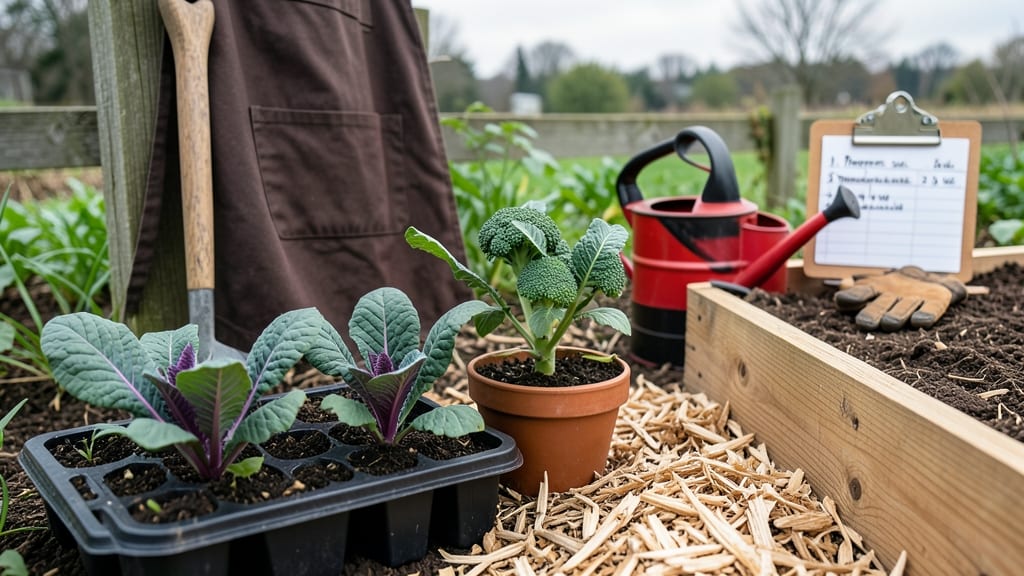
To determine when to plant in September, consider your region: cool-season vegetables like lettuce and kale grow best in northern areas, while southern climates still allow warm-season crops like beans and corn. Always verify frost dates and soil warmth for perfect timing.
September offers a second chance for gardeners, but timing varies dramatically between northern and southern regions. 🌱 In cooler zones, the focus shifts to frost-hardy greens and root vegetables that thrive in shorter daylight—think broccoli, radishes, and peas—while warmer areas can still enjoy tomatoes and peppers if planted early enough.
The key is soil temperature: most cool-season crops need soil between 40°F and 70°F, while warm-season varieties prefer 60°F and above. I recommend testing your soil with a thermometer before planting, as even a few degrees can mean the difference between success and failure.
Don't overlook companion planting strategies for fall crops. For example, pairing lettuce with carrots creates shade for the greens while the carrots grow upward, maximizing space. In southern regions, succession planting beans every two weeks extends harvests well into winter.
The goal is to keep your garden productive until the first hard frost, which typically arrives between late October and December depending on your location.
💡 In This Article
- September Planting by USDA Hardiness Zones
- Best September Crops for Fall Harvests
September planting by USDA Hardiness zones
The USDA Hardiness Zone Map isn't just about winter survival—it's the foundation for determining your September planting window. Each zone represents a 10°F difference in average minimum winter temperatures, but what matters most for fall planting is your last frost date and how quickly soil cools.
For example, in Zone 3 (think Minnesota or northern New England), you typically have just 4-6 weeks between the first frost and soil dropping below 40°F, while Zone 10 (southern California or Florida) may have warm soil well into November.
Soil temperature is the real game-changer. Cool-season crops like broccoli and spinach need soil between 40°F and 60°F to germinate, while warm-season holdouts like beans and cucumbers require at least 60°F—often 70°F for reliable growth.
In Zone 5 (Midwest), this means planting lettuce by mid-September but waiting until late August for beans. The 10-day rule applies here: if your soil stays above 50°F for at least 10 consecutive days, you can safely plant warm-season crops.
Daylight length also shifts in September, with northern regions experiencing 1-2 fewer hours of sunlight by month's end. This affects photosynthesis rates in young plants—cool-season crops actually prefer these shorter days as it triggers bolting (flowering) in crops like lettuce.
In Zone 7 (Virginia to Oklahoma), I've seen radishes mature in just 25 days when planted in early September, while tomatoes planted the same day may only produce a few green fruits before frost.
Here's a critical nuance: microclimates can create 3-5 week differences even within the same zone. A south-facing slope warms 5-10°F faster than a north-facing garden bed, extending your planting window.
I once grew Swiss chard in Zone 4 (upstate New York) until October 15 on a sunny wall, while my neighbor's identical plants in a shady spot died by September 20. Always test your specific spot with a soil thermometer for 3 consecutive days before planting.
For precise timing, consult your local cooperative extension service—they track real-time soil temperatures and frost predictions. Their data often reveals 2-3 week variations from the national averages.
In Zone 9 (southern Arizona), for instance, you might still plant sweet potatoes in early September, while Zone 9b (cooler coastal areas) would wait until late October. The difference comes down to 300-500 chilling hours—the amount of time below 45°F your plants experience.
Remember: the 30-30-30 rule applies to fall planting—30 days before first frost for fast crops (radishes, spinach), 30 days after last frost for warm-season holdouts (beans, cucumbers), and 30°F soil temperature minimum for cool-season starters. This scientific approach turns guesswork into a reliable harvest calendar.