
Plants
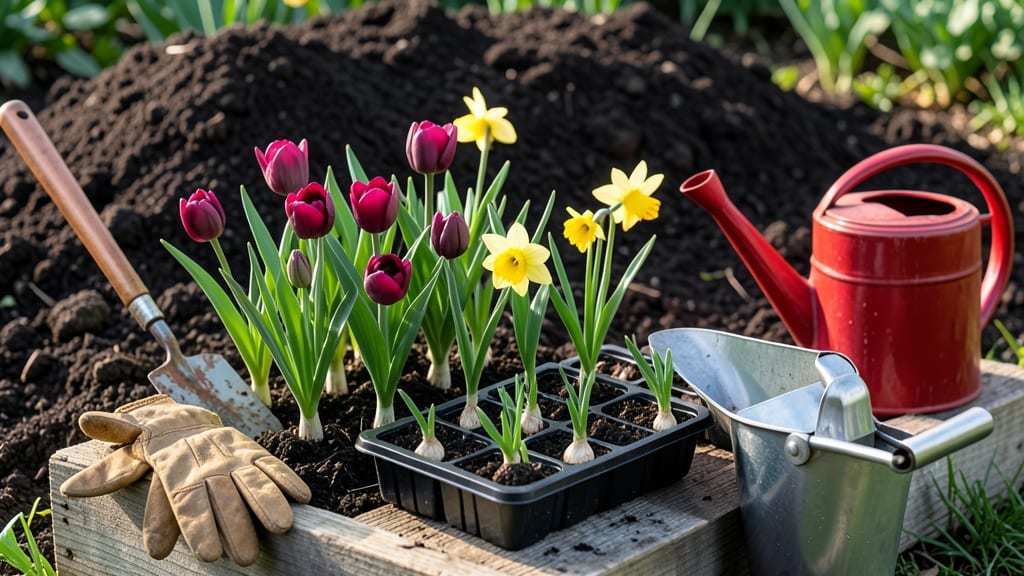
Timing spring planting wrong means wasted effort and lost crops. ⏳ The difference between a thriving garden and a sad, stunted one often comes down to when to plant—and it depends on your frost dates, hardiness zone, and what you're growing.
Start by checking your last frost date (usually 2-4 weeks before planting most vegetables) and work backward from there. Cool-season crops like peas and spinach can handle light frost, while tender plants like tomatoes need warm soil.
I’ve learned that planting too early is just as bad as planting too late—both risk setbacks.
📚 In This Guide
- What you need
- Instructions
- Tips and common mistakes
- Wrapping up and next steps
What you need
- ● Seeds or seedlings: Choose zone-appropriate varieties (e.g., lettuce, tomatoes, peppers, or flowers like marigolds). Pro tip: Start with 10–20 seeds per plant type for better success rates!
- ● Potting soil: 1–2 cubic yards (for in-ground planting) or 5–10 bags (1–2 cubic feet each) for containers.
- ● Compost or fertilizer: 5–10 lbs of organic compost (e.g., worm castings or well-rotted manure) or a balanced 10-10-10 fertilizer.
- ● Mulch: 2–3 bags (e.g., straw or wood chips) to retain moisture and suppress weeds.
- ● Garden gloves (1–2 pairs) – Pro tip: Choose nitrile-coated for durability!
- ● Hand trowel (1) – For precise planting in small spaces.
- ● Garden fork or spade (1) – To loosen soil 12–18 inches deep.
- ● Watering can or hose with nozzle – 1–2 gallons capacity for seedlings.
- ● Pruners or scissors (1) – For trimming dead foliage or transplanting.
- ● Measuring tape or ruler – To space plants correctly per package instructions.
- ● Seedling trays or biodegradable pots – For starting seeds indoors 4–6 weeks before last frost.
- ● Row covers or frost cloth – To protect tender plants from late spring frosts.
- ● Soil pH test kit – Ensures your soil is ideal (6.0–7.0 for most veggies).
- ● Plant markers – Label seeds/seedlings to avoid mix-ups!
- ● Kneeling pad – For comfort during long planting sessions.
Step-by-step guide to planting in spring by climate zone
Timing your spring planting right means stronger plants and bigger harvests. Here's how to match your zone to the perfect schedule.
Identify Your USDA Hardiness Zone
First, find your zone by entering your ZIP code into the USDA Plant Hardiness Zone Map. Most gardeners fall between Zones 3-10, with planting windows shifting by 2-4 weeks from north to south. For example, Zone 3 gardeners wait until after the last frost (often late May), while Zone 10 gardeners can plant cool-season crops as early as February. Write your zone down—it’s your planting guide.
If you’re unsure, check local weather records for the average last frost date in your area. Many extension offices post this information online. I always double-check with my local nursery—they’ve seen frost patterns for decades and can give you the most accurate advice. This ensures you’re planting when the soil is warm enough and frost won’t kill tender seedlings.
Plan for Cool vs. Warm-Season Crops
Cool-season crops like lettuce, peas, and spinach thrive when soil temperatures are below 70°F. In Zones 3-6, plant these 4-6 weeks before the last frost date—usually March to early April. Warm-season crops such as tomatoes, peppers, and cucumbers need soil temperatures above 60°F and won’t germinate well in cold soil. In Zones 7-10, start these 2-4 weeks before the last frost, often February to March.
I like to use a simple rule: if the ground is too cold to touch for 5 seconds, wait a few more weeks. You’ll see seedlings struggle or fail to sprout if planted too early. For warm-season crops, I often start seeds indoors 6-8 weeks before the last frost to give them a head start. This is especially helpful in colder zones where the growing season is shorter.
Prepare Soil and Plant Based on Zone
In Zones 3-5, wait until the soil is at least 50°F before planting. Test this by pressing your hand into the soil—if it feels cold and damp, hold off. In Zones 6-8, soil warms faster, so you can plant 2-3 weeks earlier. For Zones 9-10, where winters are mild, you can plant cool-season crops in fall or early winter and warm-season crops as early as January.
Before planting, loosen the soil to 6 inches deep and mix in compost. This improves drainage and gives roots room to grow. In clay-heavy soils, add sand or perlite to help water drain. I always water the soil 1-2 days before planting to ensure it’s moist but not soggy. This makes it easier for roots to establish without stress.
Adjust for Microclimates
Even within the same zone, microclimates—like south-facing slopes or low-lying areas—can shift planting times by 1-2 weeks. A sunny, sheltered spot warms up faster than a shady, windy one. If your garden has variations, plant heat-loving crops like tomatoes and peppers in the warmest areas first. I’ve seen basil thrive in a south-facing window box 2 weeks earlier than in the rest of the garden.
Use row covers or cold frames to extend the season in cooler zones. These protect seedlings from late frosts and can push planting dates 1-2 weeks earlier. Just remove them once temperatures stay above 50°F during the day. This is a game-changer for gardeners in Zones 4-6, where frost can linger into May.
Monitor Weather and Be Ready to Adapt
Always keep an eye on the 10-day forecast before planting. If a late frost is predicted, delay planting tender crops like beans and squash. I’ve learned the hard way that even a 32°F night can kill young seedlings. Use a frost clock or local weather alerts to stay ahead. If you’re unsure, plant a few extra seeds or starts—you can always thin or transplant later.
Once planted, mulch with 2-3 inches of straw or leaves to keep soil temperatures stable. This helps retain moisture and protects roots from temperature swings. In dry climates, mulch also slows evaporation, so you’ll need to water less frequently. I always keep a soil thermometer handy to check temperatures—it’s the best way to avoid guesswork.
Tips & tricks for perfect spring planting timing
Getting your planting schedule right means the difference between thriving plants and wasted effort. Here's what I've learned after years of trial and error in the garden.
Soil Temperature is Your True Guide: While the USDA zone map gives you a starting point, soil temperature is what really matters. In Zones 3-5, wait until soil reaches at least 50°F—stick your finger in about 2 inches deep. If it feels cold and damp, hold off. I've seen gardeners in Zone 6 plant too early because they trusted the calendar, only to have their seedlings rot in cold soil. A soil thermometer is worth every penny for precision, especially when warm-season crops like tomatoes need that 60°F+ threshold to germinate properly.
Microclimates Can Shift Your Schedule: That south-facing slope in your yard might be 1-2 weeks ahead of your main garden. I planted basil in a sunny window box in Zone 5 two weeks earlier than the rest of my garden, and it thrived while the main plants struggled. Pay attention to where heat lingers—near fences, against buildings, or in raised beds—and plant heat-loving crops there first. Even within the same zone, these microclimates can create completely different growing conditions.
Row Covers Are Your Secret Weapon: For gardeners in Zones 4-6, row covers can push your planting window 1-2 weeks earlier by protecting seedlings from late frosts. I've used them to start tomatoes and peppers in early April when the forecast called for a 32°F night. Just remember to remove them once daytime temperatures stay consistently above 50°F. This simple tool has extended my growing season by nearly a month in some years.
Start Seeds Indoors for Warm-Season Crops: In colder zones, giving warm-season crops like peppers and eggplants a 6-8 week head start indoors makes all the difference. I've had success with a simple setup of grow lights and seed trays on my kitchen counter. This gives you flexibility to plant outdoors exactly when soil temperatures hit that critical 60°F threshold, rather than rushing seedlings that might not be ready. Just be sure to harden them off for a week before transplanting.
Pro Tips for When To Plant In Spring
- Getting your planting schedule right means the difference between thriving plants and wasted effort.
- Soil Temperature is Your True Guide: While the USDA zone map gives you a starting point, soil temperature is what really matters.
- Microclimates Can Shift Your Schedule: That south-facing slope in your yard might be 1-2 weeks ahead of your main garden.
Frequently asked questions
Got questions about timing your spring planting?
You’re not alone! Here are some of the most common concerns—and expert-backed answers—to help you plant with confidence.
What’s the best way to check if my area’s last frost date?
Use the Old Farmer’s Almanac or your local Cooperative Extension Service. These resources provide frost dates based on your ZIP code, accounting for microclimates (like urban heat islands). For extra safety, add 2–4 weeks to the date if you’re in a high-risk zone.
Can I plant too early in spring?
Planting before the soil warms (below 50°F) or before the last frost can stunt growth, invite pests, or even kill seedlings. Signs you’re too early: cold, hard soil; frost warnings; or plants wilting in the evening. Wait until nighttime temps stay above 40°F for most veggies.
What if I miss the ideal planting window?
Don’t panic! Many plants (like kale, spinach, or peas) tolerate cooler temps and can be direct-sown into early spring. For warm-season crops (e.g., tomatoes, peppers), start seeds indoors 6–8 weeks before the last frost or opt for fast-maturing varieties labeled “early harvest.” Succession planting (staggered sowing) works too!
How do I adjust for unusually warm or cold springs?
Monitor your local National Weather Service for trends. If spring arrives early, prioritize frost-tender plants (like basil) for late May/June. If late frosts linger, use row covers or cold frames to extend your season.
What’s the difference between “direct sowing” and “transplanting”?
| Direct Sowing | Transplanting |
|---|---|
| Planting seeds directly into garden soil (e.g., beans, carrots, peas). | Moving seedlings (e.g., tomatoes, peppers) from pots to the ground after hardening off. |
| Best for cool-season crops or large seeds. | Ideal for warm-season crops or slow-germinating plants. |
| Pros: Saves time, avoids transplant shock. | Pros: Lets you start indoors for earlier harvests. |
Pro tip: Transplant on cloudy days to reduce stress on seedlings!
Wrapping up and next steps
Spring planting is all about timing—knowing your climate zone and last frost date sets you up for a thriving garden! Whether you’re sowing seeds or transplanting seedlings, patience and preparation are key. 🌱
Now that you’ve got the perfect schedule, grab your gardening gloves and dive in! Start with cool-season crops like lettuce or peas, then transition to warm-weather favorites as temperatures rise. Happy planting—and may your harvest be bountiful! 🌿
Next step: Mark your calendar with your local frost dates and sketch a simple planting plan. Ready? Let’s grow something amazing together! 🌱✨