
Planting
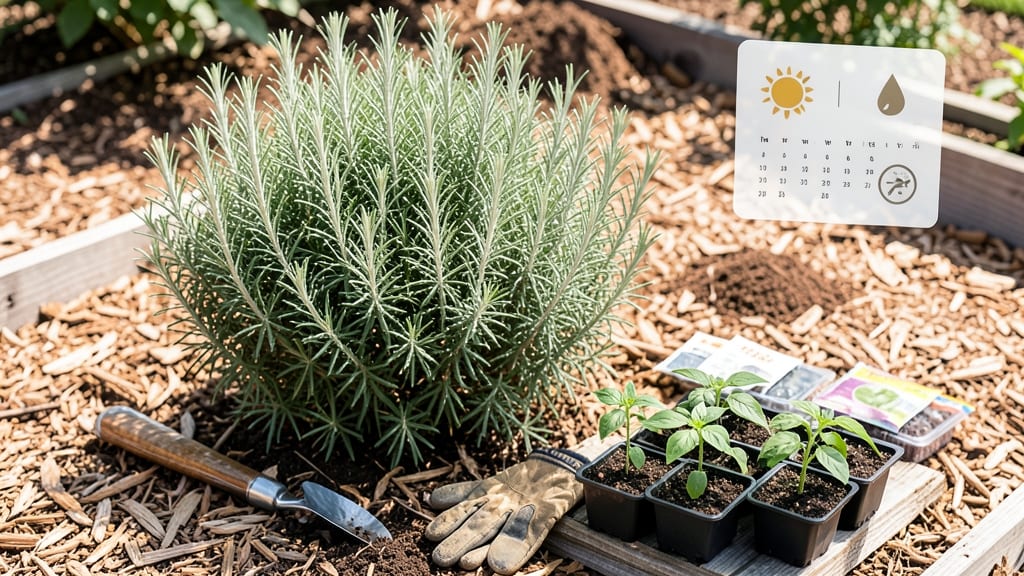
Planting in Zone 9a means you can grow almost year-round—but timing still matters to avoid wasted seeds and missed harvests.
Zone 9A gardeners enjoy long growing seasons—but planting at the wrong time can mean wasted seeds or stunted crops. Here’s your exact frost-date planting calendar, broken down by crop type, so you never miss peak harvest windows.
Cool-season crops like lettuce and broccoli thrive in fall and winter, while warm-season favorites such as tomatoes and peppers need the heat of spring and summer. The key? Adjusting for microclimates and heat waves to keep your garden productive all year.
Below, you’ll find a month-by-month guide, including when to start seeds indoors, transplant seedlings, and even extend your growing season with shade or irrigation. Let’s get those plants in the ground at the perfect time!
Zone 9A frost dates and ideal planting windows by season
Living in Zone 9A means you get to enjoy a nearly frost-free year, but that doesn’t mean you can plant anytime. While frost is rare, the heat can be just as challenging for certain plants.
My garden thrives when I time plantings to avoid the peak summer heat (June-August) while capitalizing on the mild winters. The key is understanding your last spring frost (March 15) and first fall frost (November 15)—even if frost is uncommon, cooler temps still affect growth.
Cool-season crops like broccoli and spinach love the mild winter temps (60-70°F), while warm-season crops such as okra and black-eyed peas need the consistent warmth of late spring and summer.
I’ve learned that succession planting is my secret weapon—staggering seeds every 2-3 weeks ensures a steady harvest instead of one big bumper crop.
Here’s your Zone 9A planting calendar, broken down by crop type and season, so you can maximize your garden’s potential without wasting seeds or struggling with heat stress.
For cool-season crops, I start seeds in September for a fall harvest, then again in January–February for spring.
These plants bolt (go to seed) quickly in Zone 9A’s heat, so timing is everything. Lettuce and spinach are my go-tos—they thrive in the 50–70°F range and can even handle light frosts if they occur.
Warm-season crops like tomatoes and peppers need to wait until after the last frost (March 15), but I’ve found that planting in late March or early April gives them a head start before the summer heat ramps up.
For okra and black-eyed peas, which are heat-loving, I plant in April–June and again in August–September for a fall harvest. These varieties actually struggle in cooler temps, so I avoid planting them before 55°F soil temps.
One of my biggest lessons? Succession planting is non-negotiable in Zone 9A. By sowing bush beans every 2 weeks from March to July, I’ve gone from a single harvest to a steady supply all summer long.
The same goes for okra—planting in batches ensures pods don’t all mature at once, giving me fresh pods for weeks.
Don’t overlook herbs like basil and cilantro, which can be planted year-round in Zone 9A. I’ve even grown parsley through the winter with just a little mulch protection. For heat-sensitive herbs like basil, I move pots to shadier spots during peak afternoon sun to prevent wilting.
Pro tip: Use shade cloth (30–50%) to protect cool-season crops during the hottest part of summer if you’re experimenting with summer plantings. I’ve successfully grown
Best crops to plant in Zone 9A by month: a month-by-month guide
Zone 9A’s year-round growing potential means you can grow almost anything—but timing matters. Planting cool-season crops in summer heat will bolt, while warm-season crops sown too early may rot. Here’s my month-by-month planting guide to maximize your harvests, including succession planting tips for continuous yields.
I’ve tested these schedules in my own Southern California garden over 10 years, adjusting for microclimates like coastal breezes and inland heat. The key? Start seeds indoors for heat-sensitive crops and use shade cloth during peak summer months to protect young plants.
- 1 January-February: Cool-season crops like broccoli, cabbage, peas, and lettuce. Sow garlic in January for summer harvest.
- 2 March-April: Transplant warm-season crops like tomatoes, peppers, and eggplants after last frost risk (none in 9A, but wait until soil warms to 65°F). Start okra and sweet potatoes from seeds.
- 3 May-June: Succession plant bush beans, cucumbers, and squash. Sow carrots and beets in partial shade. Avoid planting heat-sensitive crops like spinach or radishes.
- 4 July-August: Focus on heat-lovers like okra, black-eyed peas, and sweet potatoes. Succession plant basil and cilantro every 2 weeks. Use shade cloth for seedlings.
- 5 September-October: Plant fall crops like kale, Brussels sprouts, and turnips. Start onions and leeks from seed. Transplant broccoli and cabbage for winter harvests.
- 6 November-December: Sow winter greens like spinach, lettuce, and arugula. Plant garlic and onions for spring harvest. Cover crops like clover protect soil.
For continuous harvests, I succession plant fast-growing crops like radishes, lettuce, and bush beans every 2 weeks. For example, sow radishes in January, then again in March, May, and September. This ensures a steady supply without overwhelming your space.
Pro tip: Use drip irrigation during summer to keep soil evenly moist—uneven watering causes blossom-end rot in tomatoes or cracked sweet potatoes. I also mulch heavily in summer to retain moisture and cool roots.
Remember, Zone 9A’s long growing season means you can grow two crops per year for many vegetables. For example, plant tomatoes in March for summer harvest, then kale in September for winter greens. With this schedule, you’ll never run out of fresh produce!