
Planting
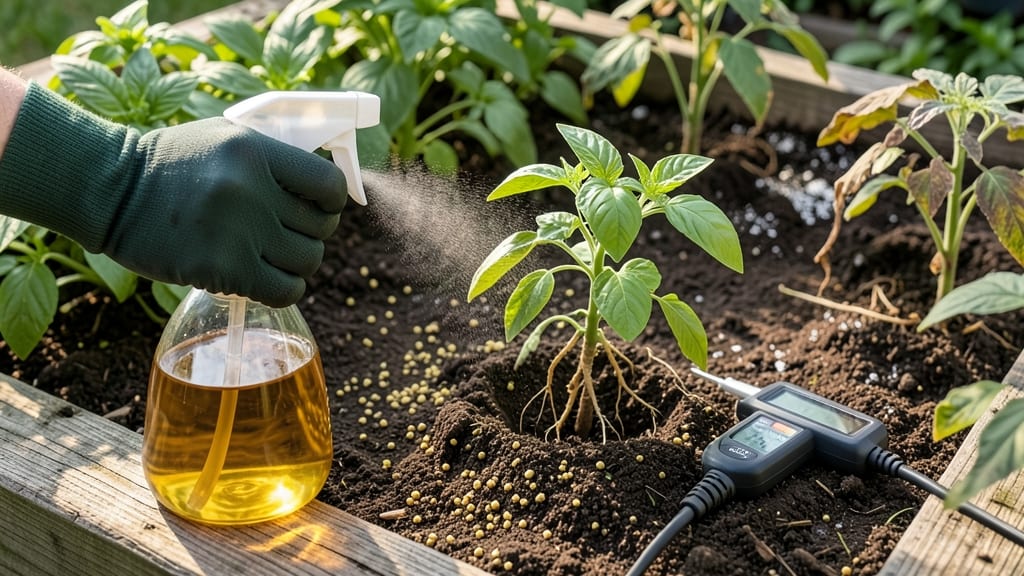
When fungal blight turns your thriving plants into sad, yellowing messes, antifungal for plant soil is your secret weapon. 🌱 I’ve saved countless struggling plants with simple soil treatments that stop rot in its tracks—no fancy tools required, just the right mix of natural or chemical solutions.
The problem starts with too much moisture, poor drainage, or old, contaminated soil. Fungi like Pythium and Fusarium thrive in damp conditions, attacking roots and leaves. But here’s the good news: preventive soil treatments—like neem oil, baking soda, or copper-based fungicides—can keep your plants healthy before issues even start.
You’ll see roots revive within days of treatment, and new growth will push through stronger. The key is acting fast: mix your antifungal into the soil at planting or when you spot the first signs of stress.
For severe cases, a soil drench with hydrogen peroxide or a commercial fungicide can turn things around.
Works for houseplants, garden beds, and containers alike—just adjust the strength based on how bad the problem is. Let’s get your soil back in fighting shape!
Root Causes Of Soil Fungus
Fungal infections in plant soil aren’t random—they thrive when specific conditions align, often due to a mix of environmental factors and poor soil management. Understanding these triggers helps you take proactive steps to protect your garden.
Here’s why fungal pathogens like Phytophthora, Fusarium, and Pythium run rampant in your soil.
Fungi love water—too much of it, that is. Overwatered soil creates a damp, oxygen-deprived environment where fungal spores germinate and spread rapidly. Here’s why it happens:
- Compacted soil: Heavy clay or tightly packed soil prevents water from draining, leaving roots sitting in soggy conditions. Pythium, a common soilborne pathogen, thrives in these waterlogged zones.
- Overhead watering: Sprinklers or rain can splash fungal spores from soil onto leaves, accelerating infections like downy mildew.
- Lack of organic matter: Soil with low compost or mulch holds moisture longer, extending the window for fungal growth.
Actionable fix: Amend soil with perlite, sand, or coconut coir to improve drainage. Water at the base of plants in the morning to allow foliage to dry quickly.
Fungi are opportunistic—they multiply fastest in warm (60–85°F), humid conditions. Greenhouses, shaded areas, or tropical climates create the perfect fungal buffet. Key triggers include:
- High humidity (above 70%): Stagnant air traps moisture on leaves and soil, ideal for Botrytis (gray mold) and Rhizoctonia.
- Sudden temperature swings: Cool nights followed by warm days stress plants, weakening their defenses and making them susceptible to Fusarium wilt.
- Greenhouse buildup: Poor ventilation in enclosed spaces traps heat and humidity, accelerating fungal spores.
Actionable fix: Use fans to circulate air, space plants for airflow, and avoid mulching too heavily in humid climates. Opt for heat-tolerant plant varieties if your region has extreme swings.
Fungal spores are everywhere—they hitchhike on tools, compost, or even wind. Once introduced, they can lie dormant for years until conditions are right. Common sources:
- Reused contaminated soil: Old potting mix, garden beds, or compost with undead fungal spores (e.g., Phytophthora can survive for decades).
- Dirty gardening tools: Pruners, shovels, or gloves carrying spores from infected plants can reintroduce them to healthy soil.
- Infected plant debris: Leaving behind diseased leaves or roots (e.g., tomato stems with early blight) provides a food source for fungi.
Actionable fix: Sterilize tools with 70% isopropyl alcohol or a 10% bleach solution. Solarize soil (cover with clear plastic for 4–6 weeks in hot sun) to kill dormant spores. Always remove and dispose of infected plant material.
Healthy plants resist fungi naturally, but stress from poor nutrition, pests, or physical damage opens the door for infections. Common stressors:
- Nutrient deficiencies: Lack of phosphorus or potassium weakens root systems, making them vulnerable to Fusarium.
- Pest damage: Insects like aphids or root maggots create entry points for fungal invaders.
- Transplant shock: Newly planted seedlings with disturbed roots struggle to fight off soilborne pathogens like Pythium damping-off.
Actionable fix: Feed plants with a balanced fertilizer (e.g., 10-10-10) and use beneficial microbes like Trichoderma or Bacillus subtilis to boost natural defenses. Avoid over-fertilizing with nitrogen, which promotes leafy growth at the expense of root health.
Pro tip: 💡 Monitor soil pH—most fungi prefer slightly acidic to neutral soil (pH 5.5–7.0). Test your soil and amend with lime (to raise pH) or sulfur (to lower it) if needed.
Fixing Fungal Issues Naturally
Fungal problems in plant soil can feel like a silent war—until your plants start wilting or developing unsightly spots. The good news? You don’t need harsh chemicals to turn things around. Below are practical, soil-friendly solutions tailored to common causes, plus prevention tips to keep your garden thriving long-term.
Cause: Overwatering or poor drainage suffocates roots, creating the perfect damp environment for fungi like Phytophthora or Pythium.
How to Fix It:
- 🔥 Drain the Damage
- Gently remove the plant from the soil and trim away mushy, blackened roots with sterilized scissors (wipe with rubbing alcohol between cuts).
- If the root ball is compacted, loosen it with your fingers to encourage airflow.
- 👨🍳 Repot with Fresh Mix
- Use a well-draining potting blend (cactus/succulent mix or add perlite/pumice to regular soil).
- Mix in 1 part antifungal powder (like neem cake or copper fungicide) per 5 parts soil to create a protective barrier.
- ⏰ Adjust Watering Habits
- Let the top 1–2 inches of soil dry out between waterings. Use a moisture meter if you’re unsure.
- Pro Tip: 💡 Add a 1-inch layer of gravel at the pot’s bottom to improve drainage without risking root rot.
Prevent It:
- Choose pots with drainage holes and elevate them on saucers to catch excess water.
- Avoid soggy mulch—keep it 2–3 inches away from the stem.
Cause: High humidity, poor airflow, or fungal spores splashing from soil onto leaves (common with Erysiphe or Alternaria).
How to Fix It:
- 🌡️ Baking Soda Spray (Safe & Effective) Mix 1 tsp baking soda + 1 tbsp vegetable oil + 1 tsp mild soap in 1 gallon of water. Spray undersides of leaves (where spores hide) every 7–10 days until gone.
- ✨ Boost Air Circulation
- Prune crowded foliage to improve airflow.
- Space plants 12–18 inches apart or use a small fan on low for 30 mins/day (trust us, plants love it!).
- 🔪 Remove Infected Debris
- Snip off yellow/brown leaves and dispose of them in the trash (not compost)—fungi thrive in organic waste.
Prevent It:
- Water in the morning so leaves dry quickly.
- Rotate crops annually to break fungal cycles in the soil.
Cause: Cool, moist soil encourages Rhizoctonia or Pythium to attack young stems at the soil line.
How to Fix It:
- 🍳 Soil Sterilization
- Heat soil in the microwave for 2–3 minutes (stir halfway) to kill spores, or bake at 200°F for 30 mins.
- Alternative: Soak seeds in hydrogen peroxide (3%) for 10 mins before planting.
- 🔪 Thin Seedlings Carefully
- Use tweezers to remove weakened seedlings—don’t pull, or you’ll disturb healthy ones.
- 🌡️ Warmth & Dry Starts
- Place trays on a seedling heat mat (70–75°F) to speed germination and reduce fungal risk.
- Use sterilized seed-starting mix (or add 1 part sand to improve drainage).
Prevent It:
- Space seeds thinly to avoid overcrowding.
- Avoid overhead watering—use a spray bottle or bottom-watering tray.
For preventative maintenance, blend these into your soil once a season:
- Neem cake (1 tbsp per gallon of soil) – natural fungicide + fertilizer.
- Chamomile tea (steep 1 cup dried flowers in 4 cups hot water, cool, and water plants).
- Garlic or cinnamon powder (1 tsp per pot) – both have antifungal properties.
🎯 Final Pro Tip: Rotate your antifungal methods to prevent resistance. If one solution stops working, switch to a different natural remedy next season!
Frequently asked questions
Can I use regular household vinegar as an antifungal for plant soil?
Yes, but with caution! Dilute white vinegar to 1 part vinegar per 3 parts water and apply as a soil drench. Undiluted vinegar can harm plants by altering soil pH too drastically. Best for preventative use—mix into soil at planting time to deter fungal growth.
How often should I apply antifungal treatments to my soil?
For prevention, apply natural antifungals like neem cake or cinnamon powder every 2–3 months. If treating an active infection, reapply copper fungicide or hydrogen peroxide every 7–10 days until symptoms disappear. Always follow product instructions for safety.
Will antifungal soil treatments harm beneficial microbes?
Some natural options (like neem oil or garlic) are selective and won’t kill all soil microbes. However, chemical fungicides can disrupt beneficial bacteria. To protect good microbes, use targeted treatments (e.g., spot-treat infected areas) and follow up with compost tea or mycorrhizal fungi to restore balance.
Can I mix antifungal powder into dry potting soil before planting?
Mix 1–2 tablespoons of antifungal powder (like neem cake or copper fungicide) per 5 gallons of soil before planting. This creates a protective barrier against fungal spores. For potted plants, stir it into the top 2–3 inches of soil where roots will grow.
What’s the fastest way to sterilize contaminated soil?
For small batches, bake soil at 200°F for 30 minutes or microwave it in 1-minute intervals (stirring between each). For larger areas, solarization (covering soil with clear plastic for 4–6 weeks) kills spores naturally using sunlight. Always let soil cool before reuse.