
Planting
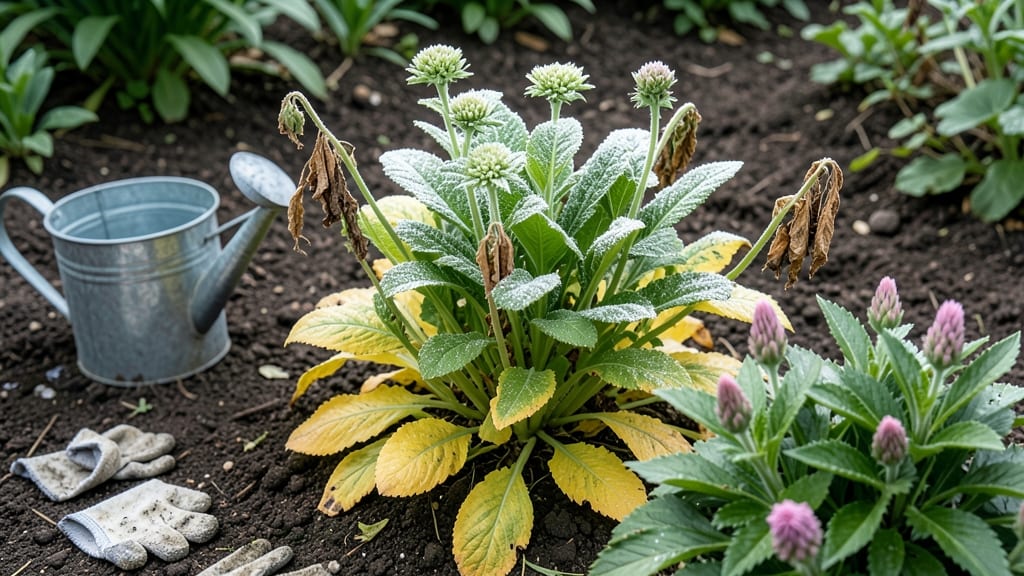
Astilbe plant problems turning brown or yellowing faster than a summer sunset? 🌿 I’ve battled every common astilbe problem—from powdery mildew to slug slime trails—and here’s how to diagnose and fix them before they ruin your feathery blooms.
Most issues boil down to water, pests, or fungal infections, and the solutions are simpler than you’d think.
The telltale signs are easy to spot once you know what to look for: crispy edges mean underwatering, mushy stems mean overwatering, and white powder on leaves? That’s powdery mildew.
Slugs leave shiny trails and chewed holes, while aphids cluster like tiny green balls on new growth. The good news? Each problem has a quick fix—no chemicals required.
You’ll restore your astilbes to their vibrant, bushy glory in just a few days with targeted care. Prune damaged foliage, adjust watering, and apply organic sprays like neem oil or baking soda mix. Prevention is even easier: mulch properly, space plants for airflow, and check for pests weekly.
Whether you’re dealing with wilting, spots, or pests, this guide gives you the fastest solutions—no gardening degree needed. Let’s get those astilbes thriving again before your neighbors even notice the problem!
Root Causes of Astilbe Struggles
Astilbes are stunning, feathery plants that add soft texture and vibrant color to gardens—but when they act up, it’s often a sign of underlying issues. Understanding why these problems occur is the first step to bringing your astilbe back to its lush best.
Let’s dig into the science behind the most common culprits.
Astilbes thrive in consistently moist soil, but too much water can drown their delicate roots. Here’s why this happens:
- Waterlogged roots 🌱💨: Astilbes prefer well-draining soil, but heavy clay or compacted ground traps excess moisture. Without oxygen, roots suffocate, leading to yellowing leaves (chlorosis) or mushy stems. - Fungal infections 🍄: Stagnant water creates the perfect breeding ground for root rot (caused by Phytophthora or Pythium fungi).
Symptoms include blackened stems at the base and a foul odor. - Nutrient leaching 🌧️💨: Overwatering washes away essential nutrients like nitrogen and potassium, starving the plant even if it’s getting plenty of H₂O.
Actionable fix: Amend soil with organic matter (compost or peat moss) and ensure pots or garden beds have drainage holes. Water only when the top 1–2 inches of soil feel dry.
While astilbes love moisture, drought conditions can cause wilting and crispy edges. Here’s the science:
- Plasma membrane damage 🔬: When cells lose too much water, their membranes shrink and rupture, disrupting nutrient transport.
This causes leaf scorch (brown, papery edges). - Transpiration overload 🌡️➡️💨: Astilbes can’t regulate water loss in dry heat, leading to wilting even if soil seems moist (surface-level moisture ≠ deep hydration). - Root shrinkage 🌱📉: Prolonged dryness forces roots to retreat, reducing their ability to absorb water—even when you finally water again.
Actionable fix: Mulch heavily (2–3 inches of shredded bark or straw) to retain moisture. Water deeply 2–3 times per week in hot climates, aiming for 1–1.5 inches of water per session.
Astilbes are heavy feeders, especially in their first growing season. Deficiencies often go unnoticed until symptoms appear:
| Symptom | Likely Deficiency | Why It Happens |
|---|---|---|
| Yellow lower leaves | Nitrogen (N) | N is crucial for chlorophyll; depleted soil (especially after winter) starves new growth. |
| Purple stems/leaves | Phosphorus (P) | P aids root and flower development; cool, waterlogged soil locks it out. |
| Weak, spindly growth | Potassium (K) | K regulates water and disease resistance; leaches quickly in sandy or acidic soil. |
| Small, pale flowers | Magnesium (Mg) | Mg is central to chlorophyll; compacted soil blocks root access. |
Actionable fix: Test soil pH (ideal: 5.5–6.5) and amend with:
- Balanced fertilizer (10-10-10) at planting.
- Epsom salt (1 tbsp/gallon of water) for Mg every 4–6 weeks.
- Bone meal (for P) or kelp meal (for K) in spring.
Astilbes attract sap-sucking insects and fungal pathogens due to their lush foliage. Here’s how they exploit weaknesses:
- Aphids & Spider Mites 🕷️🐞: These pests thrive in hot, dry conditions and inject toxins that cause stunted growth and curling leaves. They also spread viral diseases like aster yellows. - Powdery Mildew 🍄❄️: A fungal infection triggered by high humidity + poor airflow.
It coats leaves in white powder, blocking sunlight and reducing photosynthesis. - Slugs & Snails 🐌: They target young shoots and flower buds, leaving behind irregular holes and silvery slime trails.
Actionable fix:
- Prevent pests: Spray neem oil weekly during outbreaks. Use row covers for slugs.
- Improve airflow: Space plants 12–18 inches apart and avoid overhead watering.
- Fungal control: Apply baking soda spray (1 tsp baking soda + 1 tsp soap per quart of water) every 7–10 days.
Astilbes are part-shade lovers, and pushing their limits leads to stress:
- Too much sun ☀️🔥: In hot, direct sunlight, leaves bleach out (sunburn) or develop brown patches from dehydration.
Their native habitat is woodland edges, not full sun. - Temperature swings ❄️➡️🔥: Astilbes hate heatwaves (above 90°F) and late frosts, which can blacken buds before they open. - Wind exposure 💨: Whipping winds desiccate leaves and break stems, especially in dry conditions.
Actionable fix:
- Provide afternoon shade (especially in zones 7+).
- Use shade cloth (30–50%) if planting in hot climates.
- Mulch heavily in winter to protect roots from freeze-thaw cycles.
Even healthy astilbes can crash if not planted correctly:
- Root damage ⚠️: Rough handling during transplanting severs fine feeder roots, slowing nutrient uptake. Symptoms: Wilting, slow regrowth. - Incorrect depth ⬇️: Planting too deep suffocates the crown (where stems meet roots), leading to rot.
Planting too shallow exposes roots to drying. - Soil mismatch 🌍: Astilbes prefer moist, humus-rich soil. Sandy or alkaline soil locks out nutrients, causing chlorosis (yellowing between veins).
Actionable fix:
- Handle roots gently during transplanting (soak roots in water for 10 mins before planting).
- Plant crowns at soil level—never bury or expose them.
- Amend native soil with peat moss or compost to improve texture and moisture retention.
Quick fixes for common astilbe issues
Revive your astilbe’s vibrant blooms with these practical, step-by-step solutions tailored to each problem. Whether it’s yellowing leaves, wilting stems, or pesky pests, these fixes will get your plant back on track—plus, we’ll share easy prevention tips to keep it thriving all season long.
Cause: Overwatering, nutrient deficiency, or fungal issues like root rot. Fix:
Step 1: Check the Soil 💧
Drain excess water by letting the soil dry out slightly between waterings. Stick your finger 1–2 inches deep—if it’s soggy, hold off until it’s moist but not drenched. Astilbes prefer consistently damp (not waterlogged) soil.Step 2: Improve Drainage 🏗️
Amend heavy or compacted soil with organic matter like compost or perlite. This helps oxygen reach the roots and prevents water from pooling. For container-grown astilbes, ensure pots have drainage holes.Step 3: Fertilize for Vibrancy 🌱
Yellowing from nutrient deficiency? Feed your astilbe with a balanced, water-soluble fertilizer (10-10-10) every 4–6 weeks during the growing season. For a natural boost, mix in a handful of worm castings or fish emulsion into the soil.Prevention Tip 💡
Mulch around the base with 2–3 inches of organic mulch (like shredded bark) to retain moisture without suffocating roots. Avoid mulching too close to the stem to prevent rot.Cause: Underwatering, heat stress, or transplant shock. Fix:
Step 1: Hydrate Deeply 💦
Wilting often means the plant is thirsty. Water thoroughly at the base until the soil is evenly moist. For container plants, soak the pot for 10–15 minutes to ensure water reaches the roots.Step 2: Provide Shade & Cool Relief ☀️🌳
Astilbes wilt in scorching sun. If your plant is in a hot, exposed spot, move it to partial shade (morning sun + afternoon shade works best). A temporary shade cloth (30–50% coverage) can also help during heatwaves.Step 3: Support Weak Stems 🦵
Floppy stems? Gently stake taller varieties with bamboo stakes or a small cage to prevent them from flopping over. Avoid tying too tightly—just enough to provide support.Prevention Tip 🌡️
Water in the early morning to reduce evaporation. If your area has extreme heat, consider grouping astilbes with other moisture-loving plants (like hostas or ferns) to create a microclimate that retains humidity.Cause: Aphids, spider mites, or slugs feasting on tender leaves and stems. Fix:
Step 1: Isolate & Inspect 🔍
Check the undersides of leaves and stems for pests. If you spot aphids (tiny green/black bugs) or spider mites (tiny webs), act fast. Isolate the plant to prevent spreading.Step 2: Blast Off Pests 💦🔥
For aphids/spider mites:
- Spray method: Mix 1 tsp mild dish soap + 1 quart water in a spray bottle. Drench the plant (top and bottom of leaves) every 3–4 days until pests vanish.
- Neem oil: For stubborn infestations, use neem oil (1 tsp neem oil + 1 quart water + a drop of dish soap). Spray in the evening to avoid harming beneficial insects.
For slugs/snails:
- Beer traps: Bury a shallow dish filled with beer near the plant. The slugs will crawl in and drown.
- Copper barriers: Place copper tape around pots or garden beds—slugs dislike the electric-like shock it creates.
Step 3: Encourage Natural Predators 🐞
Attract ladybugs and lacewings by planting nearby flowers like marigolds or dill. These predators feast on aphids and mites, reducing future outbreaks.Prevention Tip ✨
- Regular checks: Inspect plants weekly during growing season.
- Diatomaceous earth: Sprinkle food-grade DE around the base (reapply after rain) to deter crawling pests like slugs.
Cause: Overly wet conditions leading to powdery mildew or root rot. Fix:
Step 1: Improve Airflow 🌬️
Fungal spores thrive in humid, stagnant air. Space plants 12–18 inches apart to allow air circulation. Prune crowded or dead foliage to reduce hiding spots for spores.Step 2: Treat Fungal Spots 🧼
- Powdery mildew: Spray with a homemade mix of 1 tbsp baking soda + 1 quart water + a few drops of soap. Reapply every 7–10 days until cleared.
- Root rot: Dig up the plant, trim away mushy roots with sterilized scissors, and repot in fresh, well-draining soil. Water lightly until new growth appears.
Prevention Tip 💡
- Water wisely: Water at the base (not overhead) to keep leaves dry.
- Fungicide preventative: Apply a copper-based fungicide in early spring as a precaution.
Pro Tip for All Problems: 🌱 Astilbes are hardy but appreciate a little TLC. After treating any issue, monitor your plant’s progress and adjust care as needed. With the right fixes, your astilbe will bounce back—and next season, you’ll enjoy even more lush, colorful blooms!
Frequently asked questions
Why are my astilbe leaves turning brown at the edges?
Brown, crispy edges usually mean underwatering or heat stress. Astilbes need consistently moist soil, so check if the top 1–2 inches are dry. Water deeply at the base in the morning, and move the plant to partial shade if it’s in scorching sun. Mulching with 2–3 inches of organic matter helps retain moisture.
How do I get rid of white powder on my astilbe leaves?
That’s powdery mildew, a fungal issue caused by poor airflow or wet foliage. Improve spacing between plants (12–18 inches apart) and avoid overhead watering. Spray leaves with a mix of 1 tbsp baking soda + 1 quart water + a few drops of soap every 7–10 days until cleared. For prevention, water at the base and ensure good airflow.
Are slugs eating my astilbe flowers?
Yes! Slugs leave irregular holes and shiny slime trails. Set up beer traps (bury a shallow dish of beer near the plant) or use copper tape around pots. For organic control, sprinkle food-grade diatomaceous earth around the base (reapply after rain). Planting marigolds nearby attracts natural predators like ladybugs.
Can I save an astilbe with mushy stems?
Mushy stems signal root rot, often from overwatering. Dig up the plant, trim away blackened/mushy roots with sterilized scissors, and repot in fresh, well-draining soil. Water lightly until new growth appears. For containers, ensure pots have drainage holes and avoid letting soil stay soggy. Mulch lightly to prevent future issues.
Why won’t my astilbe bloom this year?
Poor blooming often stems from nutrient deficiencies or too much shade. Feed with a balanced fertilizer (10-10-10) in spring, and ensure it gets morning sun + afternoon shade. Deadhead spent blooms to encourage new growth. If the plant looks weak, check for pests or fungal issues first—healthy foliage is key to vibrant flowers!