
Planting
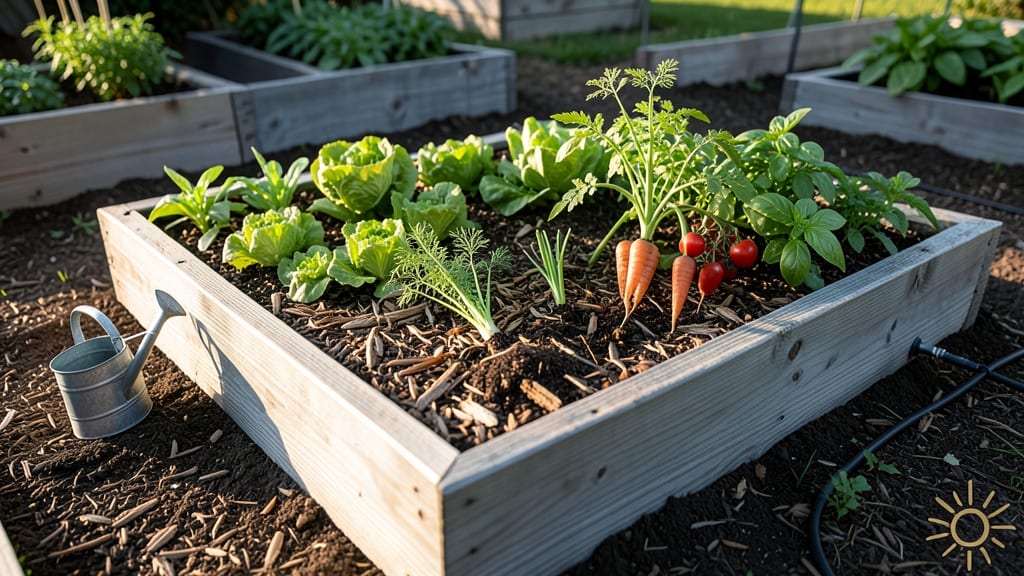
The best place to plant a garden needs a sunny spot with 6-8 hours of direct sunlight daily, fertile soil that drains well, and enough room between plants to grow without competing. Steer clear of damp or windy areas where roots can rot or plants struggle to stand upright.
The perfect garden spot depends on more than just open space—sunlight determines what you can grow, while soil quality affects how well plants thrive. 🌱 For instance, leafy greens like spinach need partial shade, while tomatoes and peppers demand full sun.
I always recommend testing your soil first: a simple pH test kit reveals whether your earth is acidic, neutral, or alkaline, helping you choose the right plants or amendments. Even small spaces can work with container gardening, but ensure containers have drainage holes to prevent root rot.
Don't overlook microclimates—your yard might have sunny patches while others stay in shade. Observing sunlight patterns for a week helps identify the best locations. And remember, proper spacing isn't just about aesthetics: it prevents diseases by improving airflow and gives roots room to spread.
For example, basil plants need at least 6 inches between them, while broccoli requires 18 inches for optimal growth.
💡 In This Article
- How Sunlight, Soil, and Space Affect Garden Success
- Evaluating Your Yard for the Ideal Garden Spot
How sunlight, soil, and space affect garden success
Sunlight is the engine of photosynthesis, where plants convert light energy into chemical energy to fuel growth. Most vegetables and flowers need 6-8 hours of direct sunlight daily to produce optimal yields.
For example, tomatoes require full sun to develop sweet, flavorful fruit, while leafy greens like kale thrive with 4-6 hours to prevent bolting (premature flowering). The intensity matters too: plants in hot climates may need afternoon shade to prevent wilting, while cooler regions benefit from full exposure. 🌞
Soil composition determines how well roots can access water, oxygen, and nutrients. Ideal garden soil has a balanced mix of sand, silt, and clay (loam) with a pH between 6.0 and 7.0. Sandy soil drains too quickly, while clay holds excess water—both extremes stress plants.
Organic matter like compost improves structure by creating air pockets for roots and microbial activity that breaks down nutrients. A simple DIY test: squeeze a handful of soil; it should crumble easily when dry and hold shape when moist, not stick to your fingers or fall apart completely.
Spacing prevents competition for resources and reduces disease risk by improving airflow. Crowded plants develop weak stems and attract pests like aphids. For instance, basil needs 6-12 inches between plants to avoid fungal issues, while broccoli requires 18-24 inches for robust heads.
Root systems also compete: carrots need deep, loose soil to grow straight, but can't thrive if surrounded by competing roots like onions. Even herbs have spacing needs—thyme spreads aggressively and needs 12-18 inches to prevent overgrowth.
Microclimates create local variations in sunlight, wind, and temperature. A north-facing wall might cast shade for half the day, while a south-facing area gets intense afternoon sun. Test your yard by marking sunlight patterns with a sun mapping tool (or simply observe for a week).
Windy spots dry soil faster and stress delicate plants like lettuce, while sheltered areas retain moisture better. Even elevation matters: a slight hilltop gets more sun and dries quicker than a valley, which may stay damp longer.
Container gardening changes the rules: pots dry out faster and need frequent watering. Choose containers with drainage holes to prevent root rot, and use lightweight potting mix designed for containers.
Herbs like rosemary thrive in pots with 5-6 inches of depth, while tomatoes need larger 12-inch pots to support their vines. The key is matching plant needs to container size—small roots in big pots waste water, while crowded roots in tiny containers stunt growth.
Remember: every plant has unique needs. Peppers need full sun and warm soil, while parsley tolerates partial shade. Start by grouping plants with similar requirements together—this creates a self-sustaining ecosystem where sunlight, water, and nutrients are used efficiently. 🌱