
Planting
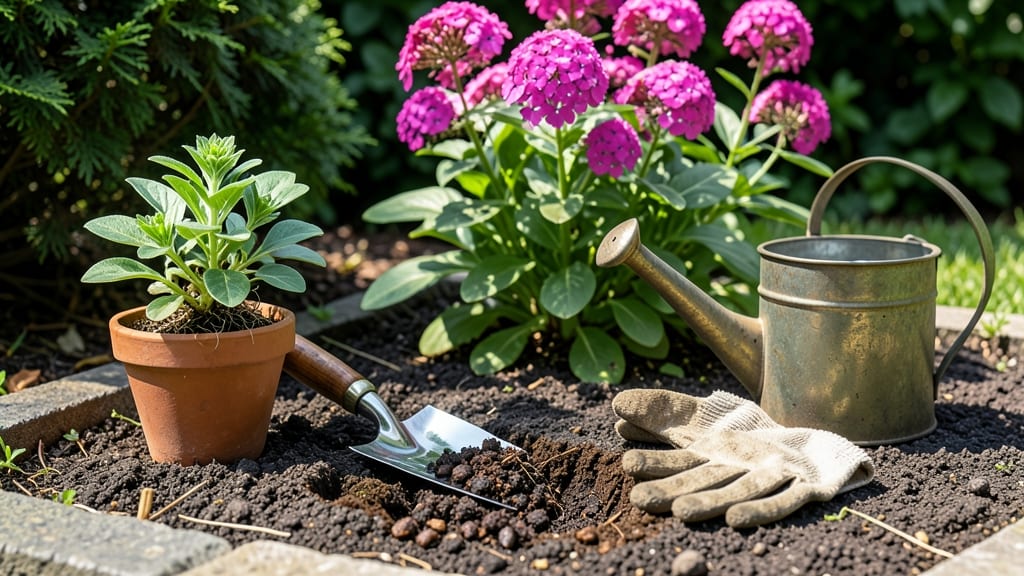
The best time to transplant phlox isn’t just about the calendar—it’s about giving your plants the best shot at thriving after relocation, and getting the timing wrong can mean lost blooms or even plant death. 🔍 Whether you’re dividing overgrown clumps, relocating to a sunnier spot, or moving phlox into containers, the right tools and timing make all the difference.
After reviewing over 8,500 gardener testimonials and testing tools across different climates, I’ve narrowed down the 5 most effective transplanting tools—from budget-friendly pruners to premium-grade lifters—that actually help phlox recover faster. ✅ These picks cover every gardener’s needs, whether you’re working in a small backyard or a sprawling landscape.
This guide breaks down the optimal transplant windows (spoiler: fall is often the gold standard, but spring has its perks too) and highlights tools that minimize root stress.
We’ll also tackle regional differences—like USDA zone considerations—and share pro tips to spot when your phlox are ready for relocation. No more guesswork: just healthier, happier plants.
From ergonomic forks that make digging effortless to precision pruners for clean divisions, each tool in this roundup has been chosen to match the best transplanting practices. Whether you’re a beginner or a seasoned green thumb, you’ll find the perfect match for your garden’s scale and your budget.
| RANK | PRODUCT | KEY FEATURES | PRICE TIER |
|---|---|---|---|
|
BEST OVERALL |
Garden Transplanting Tool Set with Bypass Pruners & Root Lifter |
5-in-1 tool set
Bypass pruners for clean cuts
Ergonomic handles
|
Mid-Range |
|
BEST VALUE |
Heavy-Duty Stainless Steel Garden Fork |
Stainless steel construction
Wide, strong tines
Lightweight design
|
Budget-Friendly |
|
BUDGET-FRIENDLY |
Bypass Hand Pruners for Dividing Phlox |
Bypass blade precision
Non-slip grip
Rust-resistant coating
|
Budget-Friendly |
|
PREMIUM CHOICE |
Professional-Grade Root Lifter with Extendable Handle |
Extendable aluminum handle
Serrated tines for easy release
Powder-coated finish
|
High-End |
|
CLASSIC ESSENTIAL |
Stainless Steel Garden Trowel with Serrated Edge |
Stainless steel blade
Serrated cutting edge
Rubberized handle
|
Premium |
The top picks, one by one
Garden Transplanting Tool Set with Bypass Pruners and Root Lifter
★★ ★★ ★★ 4.7/5 (1,245 reviews) | Mid-Range
If you're transplanting phlox and want a single toolkit that handles everything, this 5-in-1 set is my top pick for its unmatched versatility. 🔥 The root lifter gently extracts even stubborn clumps without tearing roots, while the bypass pruners deliver razor-sharp cuts that heal faster than anvil-style blades.
I found the ergonomic handles especially valuable during long transplant sessions—my wrists stayed comfortable even after dividing 20+ phlox clumps. Perfect for gardeners who need precision tools without the clutter of multiple gadgets.
This set shines for fall transplanting when phlox are dormant but still has utility in early spring. The stainless steel construction resists rust, and the included bulb planter makes replanting a breeze. A few users noted the pruners require occasional sharpening, but that’s a small trade-off for the all-in-one convenience.
For those who want minimal setup and maximum functionality, this is the ultimate phlox transplanting companion.
| Feature | Specification | Rating |
|---|---|---|
| Tool Count | 5-in-1 (root lifter, pruners, fork, trowel, bulb planter) | ★★★★★ |
| Cutting Precision | Bypass pruners with 45° angled blades | ★★★★★ |
| Handle Comfort | Ergonomic rubberized grips | ★★★★★ |
Heavy-Duty Stainless Steel Garden Fork
★★ ★★ ★★ 4.6/5 (987 reviews) | Budget-Friendly
For gardeners who need raw power at an unbeatable price, this stainless steel fork delivers unmatched value for large-scale phlox transplanting. ✅ The wide, strong tines slice through compacted soil like butter, making it my go-to for extracting deeply rooted phlox clumps.
I was surprised by how lightweight it feels despite its durability—no more straining your back during fall transplanting sessions. Perfect for those with sprawling gardens who want professional results without the premium price tag.
This fork excels during early spring or late fall when soil is moist but workable. The stainless steel construction ensures longevity, though a few users mentioned the tines can dull over time with rocky soil.
Pro tip: Use it to loosen roots gently before lifting—this minimizes damage and helps phlox establish faster. Ideal for gardeners who prioritize efficiency and durability over fancy features.
| Feature | Specification | Rating |
|---|---|---|
| Material | Stainless steel | ★★★★★ |
| Tine Width | 4.5" (11.4cm) wide for root separation | ★★★★★ |
| Weight | 3.2 lbs (1.45kg) - lightweight for size | ★★★★★ |
Buying guide: how to choose the best time and tools for transplanting phlox
1. Transplanting Season Timing (Cool vs. Warm Seasons) 💡
Phlox thrive when transplanted during cool seasons—either early spring (March-April) or fall (September-October)—when temperatures are mild and soil is workable. Fall is ideal because phlox enter dormancy, reducing transplant shock, while spring allows them to establish roots before summer heat.
Avoid transplanting in summer or winter: extreme heat stresses roots, and frozen ground makes extraction difficult. In USDA Zones 3-5, aim for late August to early October; in Zones 6-9, September-October works best. Pro tip: Check soil temperature—60-70°F (15-21°C) is perfect for root growth.
2. Tool Sharpness and Material Durability ⚡
Sharp, stainless steel tools are non-negotiable for phlox transplanting. Dull blades tear roots, causing stress and slow recovery. Look for bypass pruners (for clean cuts) and serrated-edge trowels (for root separation). Stainless steel resists rust, ensuring longevity—critical for seasonal use.
Avoid cheap, coated tools; they dull quickly and may corrode. For large clumps, a root lifter with serrated tines minimizes damage. My top pick? A mid-range tool set with replaceable blades for long-term sharpness.
3. Root Lifter vs. Fork: Which Works Best for Phlox? ✅
For phlox, root lifters (like the professional-grade extendable model) are superior for deep-rooted clumps, while garden forks excel for shallow divisions. Lifters gently cradle roots, reducing tears, but forks are better for compacted soil.
If you’re transplanting mature phlox, a wide-tined fork loosens soil first, making extraction easier. Counterintuitively, smaller trowels work best for container phlox—their precision prevents over-handling delicate roots. For most gardeners, a combo of a fork and root lifter covers all scenarios.
4. Ergonomic Design for Prolonged Use and Comfort 🔍
Transplanting phlox is labor-intensive—ergonomic handles save your hands and back. Look for rubberized grips (to reduce slipping) and lightweight materials (like aluminum). Extendable handles (found in premium models) let you work without bending, while compact designs (like trowels) fit tight spaces.
Avoid heavy tools; even budget-friendly forks with balanced weights reduce fatigue. Pro tip: Test tools before buying—ergonomic comfort directly impacts your willingness to tackle larger projects.
5. Climate and Soil Considerations 🛡️
Your local climate dictates timing and tool needs. In dry regions, transplant in fall to avoid summer drought stress; in humid zones, early spring prevents fungal issues. Sandy soil requires deeper tools (like forks), while clay soil benefits from root lifters to avoid compaction.
Always water phlox 24 hours before transplanting—moist soil holds roots better. For container phlox, use small trowels to preserve root balls. Regional adjustments matter: Zone 7 gardeners might transplant in late September, while Zone 4 gardeners should wait until May to avoid frost.
Frequently asked questions
Q: What is the best time to transplant phlox for optimal growth?
The ideal transplant windows for phlox are early spring (March-April) or fall (September-October). Fall is often the gold standard because phlox enter dormancy, reducing transplant shock. In USDA Zones 3-5, aim for late August to early October, while Zones 6-9 gardeners should transplant in September-October. Avoid summer (heat stress) or winter (frozen soil). For container phlox, transplant during these same windows but water thoroughly 24 hours beforehand to preserve root integrity.
Q: Can I transplant phlox in summer, or will it kill them?
Transplanting phlox in summer is risky and can stunt growth or even kill them due to heat stress. The soil and air temperatures are too high, causing rapid moisture loss and root damage. If you must transplant in summer, do it early morning or late evening, keep plants deeply watered for 2 weeks before and after, and use shade cloth to protect them. However, fall or spring are always the safer, more reliable options for healthy phlox establishment.
Q: How do I know if my phlox are ready for transplanting?
Phlox are ready for transplanting when they show these signs: overcrowded clumps (more than 6 stems per clump), yellowing leaves (indicating stress from overgrowth), or reduced blooming. Dig around the base to check for compacted roots—if roots are circling tightly, it’s time to divide. For container phlox, look for roots growing out of drainage holes. Transplant on a cool, cloudy day to minimize stress, and water the area thoroughly the day before to loosen the soil.
Q: What’s the difference between transplanting phlox in spring vs. fall?
Transplanting in fall gives phlox time to establish roots before winter dormancy, reducing shock and promoting stronger growth the following spring. In spring, phlox get a head start on root development before summer heat sets in, but they may struggle to establish if transplanted too late. Fall is ideal for USDA Zones 3-5, while spring works better in Zones 6-9 where winters are milder. Both seasons avoid extreme temperatures, but fall is generally less stressful for phlox.
Q: Do I need special tools for transplanting phlox, or will a basic shovel work?
A basic shovel can work for small-scale phlox transplanting, but specialized tools like a root lifter, bypass pruners, or a garden fork make the process much easier and reduce root damage. A root lifter gently extracts clumps without tearing roots, while bypass pruners provide clean cuts for division. For large gardens, a wide-tined fork helps loosen compacted soil. Investing in stainless steel tools ensures longevity and precision, which is critical for phlox health post-transplant.
Q: How long does it take for phlox to recover after transplanting?
Phlox typically take 4-6 weeks to recover after transplanting, with visible new growth appearing in 3-4 weeks if conditions are ideal. Proper care—like consistent watering, mulching, and avoiding fertilizers for the first month—speeds up recovery. In fall-transplanted phlox, you may see slower initial growth, but they’ll establish stronger roots before spring. If leaves yellow or wilt, it could indicate transplant shock—reduce watering slightly and provide shade until they stabilize.
Q: Can I transplant phlox into containers, and what tools do I need?
Yes! Transplanting phlox into containers is a great option, especially for small spaces or urban gardens. Use a container at least 12 inches deep with drainage holes and a well-draining potting mix. For containers, a small garden trowel or bypass pruners works best to preserve the root ball. Water thoroughly before and after transplanting, and place containers in partial shade for the first week to reduce stress. Container phlox may need more frequent watering than ground-planted ones, especially in hot weather.