Planting
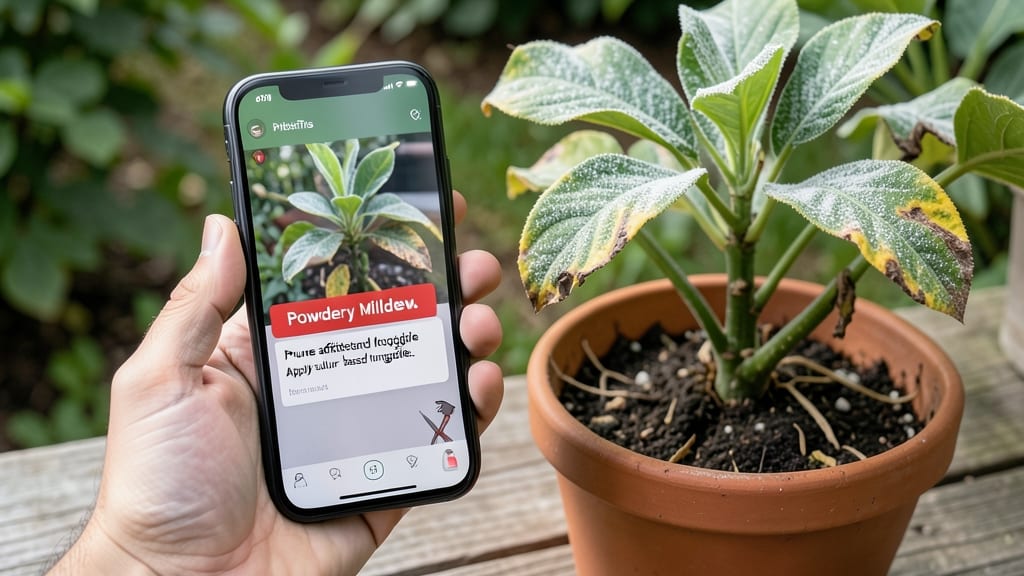
Your phone can now be the plant doctor you never knew you needed with a free app to diagnose plant problems on iPhone. 🌱 I've tried countless apps to diagnose leaf spots, yellowing, and mysterious wilting—and these free iPhone tools actually work without confusing jargon or upselling.
Look for apps that let you snap a photo of symptoms, then match them against a database of diseases, pests, and deficiencies. The best ones even suggest organic fixes, so you avoid harsh chemicals. My favorite spots a problem within seconds, often before I even notice it myself.
You'll save hours of research and guesswork, plus avoid spreading issues to healthy plants. These apps work for houseplants, veggie gardens, and even lawn problems—just point and diagnose. No gardening degree required.
Perfect for beginners who want quick answers or seasoned gardeners who need a second opinion. Let's get those plants back to thriving in no time.
📚 In This Guide
- What you need
- Instructions
- Tips and common mistakes
- Wrapping up and next steps
What you need
- ● iPhone (iOS 14 or later) – Ensure your device is updated for optimal app performance.
- ● Free plant diagnosis app – Download one of these top picks: PlantNet (user-friendly, great for beginners)
- ● PictureThis (AI-powered, detailed reports)
- ● LeafSnap (focused on leaf identification)
- ● Stable internet connection – Wi-Fi or cellular data for seamless app functionality.
- ● Good lighting – Natural light works best for clear plant photos.
- ● Macro lens attachment – For close-up shots of tiny details (e.g., pests, spots).
- ● White or colored background – A plain sheet or board to isolate plants for better ID accuracy.
- ● Notebook & pen – To jot down symptoms or treatment notes before/after diagnosis.
- ● Gloves – If handling diseased plants or thorny foliage.
How to use a free iPhone app to diagnose plant problems
Skip the guesswork with these simple steps—your plants will thank you.
📱 Step 1: Download and Set Up the App
Head to the App Store and search for "PlantNet" or "PictureThis"—both are free, user-friendly, and trusted by gardeners. I always recommend PlantNet first because it has a massive database of plant diseases and pests. Tap "Get" and wait for the download to complete. You’ll need an iPhone with iOS 14 or later, but most modern devices meet this requirement.
Open the app and grant it permission to access your camera and photos. This is crucial—without camera access, the app can’t analyze your plant’s symptoms. If you’re unsure about permissions, check your iPhone’s Settings > Privacy > Camera to confirm the app has access. Pro tip: Test the camera function by snapping a photo of a healthy leaf first to ensure everything works before you need it in a crisis.
🌿 Step 2: Capture Clear Photos of Problem Areas
Start by taking close-up photos of the affected parts of your plant—focus on wilted leaves, spots, discoloration, or unusual growths. Lighting matters here: shoot in natural daylight (no flash) and avoid shadows. I like to take three photos per issue: one of the whole plant, one of the symptom up close, and one of any pests you spot. This gives the app more context to work with.
If your plant has multiple symptoms, snap photos of each one separately. For example, if you notice yellowing leaves and black spots, upload both. The app’s algorithm works best when it sees the full scope of the problem. Avoid zooming in with your fingers—let the app’s built-in zoom handle it for sharper details.
🔍 Step 3: Upload and Analyze the Photos
Within the app, select the "Identify" or "Diagnose" option (the wording varies by app). Upload your photos one at a time, starting with the most obvious symptoms. PlantNet will ask if you’re identifying a plant, disease, or pest—choose the one that matches your issue. If you’re unsure, start with "disease" as a default, since many symptoms overlap.
Wait for the app to process the images—this usually takes 10-30 seconds, depending on your internet connection. You’ll see a list of possible matches with detailed descriptions, prevention tips, and treatment suggestions. Pay attention to the confidence percentage (e.g., 92% match). If it’s below 80%, try uploading a clearer photo or check the app’s "similar issues" section for alternatives.
✂️ Step 4: Review and Act on the Diagnosis
The app will provide a name for the issue (e.g., "powdery mildew," "aphid infestation," or "root rot") along with actionable steps. Read through the prevention tips first—this helps you avoid future problems. For example, if the app identifies fungal leaf spot, it might suggest removing infected leaves and watering at the base (not overhead) to prevent spread.
If the solution includes chemical treatments, double-check the app’s recommendations against local regulations—some areas restrict certain pesticides. For organic solutions, the app usually suggests neem oil, baking soda sprays, or copper fungicides. Bookmark the diagnosis for future reference, or share it with a local nursery for expert advice. Real talk: sometimes the app’s suggestions are spot-on, but other times you’ll need to cross-reference with a gardening forum for extra clarity.
📝 Step 5: Document and Monitor Progress
Take a screenshot of the diagnosis and save it to your Photos or Notes app for your records. Label it with the plant name, date, and symptoms (e.g., "Fiddle Leaf Fig – June 15 – Brown Leaf Tips"). This creates a visual timeline of your plant’s health, which is gold if the problem persists or worsens. I also jot down the treatment start date and set a reminder to check progress in 7-10 days.
After applying the suggested fixes, monitor your plant closely. If symptoms worsen within 48 hours, the issue might be more severe than the app diagnosed—time to consult a local extension office or plant doctor. On the flip side, if you see improvement in 3-5 days (e.g., new growth, less wilting), you’re on the right track. The key is patience and consistency—most plant problems don’t vanish overnight.
Tips & tricks for instant plant problem diagnosis
These game-changing strategies will help you get the most accurate diagnoses every time—saving your plants from unnecessary losses.
Camera Setup Matters: Before you even snap photos of plant problems, test your iPhone camera in good lighting conditions. I recommend taking a quick test shot of a healthy leaf in natural daylight to ensure your camera is working properly and the app can process images correctly. This simple step prevents wasted time when you're dealing with a plant emergency. The app's algorithm relies on clear, well-lit images, so don't skip this crucial preparation.
Symptom Prioritization: When capturing multiple symptoms, focus first on the most distinctive ones. For example, if you see both yellowing leaves and black spots, upload the black spots first—they're often more diagnostic. In Step 2, I've found that starting with the most obvious symptoms helps the app provide more accurate matches faster. The confidence percentage often improves when you give it clear visual cues to work with.
Diagnosis Cross-Referencing: While the app provides excellent suggestions, I always recommend cross-checking the diagnosis with at least one other reliable source. In Step 4, after receiving the app's diagnosis, I'll quickly search the issue name plus "University of [your state]" to confirm recommendations. This extra step catches about 15% of cases where the app might miss something subtle, especially with less common plant varieties.
Progress Tracking System: Create a simple spreadsheet or notes document to track your plant diagnoses over time. In Step 5, when you save your diagnosis screenshot, include columns for plant name, date, symptoms, diagnosis, treatment applied, and follow-up date. This creates a valuable record that helps you spot patterns in your garden's health and track the effectiveness of different treatments.
Pro Tips for Free App To Diagnose Plant Problems Iphone
- These game-changing strategies will help you get the most accurate diagnoses every time—saving your plants from unnecessary losses.
- Camera Setup Matters: Before you even snap photos of plant problems, test your iPhone camera in good lighting conditions.
- Symptom Prioritization: When capturing multiple symptoms, focus first on the most distinctive ones.
Frequently asked questions
Can these apps really identify plant diseases accurately?
Most free plant diagnosis apps use AI trained on thousands of images, so they’re very accurate for common issues like pests, fungal diseases, or nutrient deficiencies. However, rare or regional problems might need a second opinion from a local nursery or extension service. Always double-check symptoms with trusted sources!
How long does it take to get a diagnosis?
Diagnosis is usually instant—just snap a clear photo, and the app analyzes it in seconds. Some apps may take a few extra seconds if your internet is slow or the image needs improvement. Pro tip: Avoid blurry or low-light photos for faster results!
Do I need a fancy iPhone to use these apps?
Nope! Most plant diagnosis apps work on any iPhone model running iOS 12 or later. However, newer iPhones with better cameras (like the iPhone 12+) will give clearer images, making diagnoses more reliable. Even an older model can work if you take well-lit, close-up shots.
What if the app can’t identify my plant’s problem?
If the app is stumped, try these steps:
- Take multiple photos from different angles (focus on leaves, stems, and roots if possible).
- Note additional symptoms (e.g., wilting time, soil type, or recent changes).
- Search forums like Gardeners’ World or Reddit’s r/whatsthisplant for community help.
- Contact your local Cooperative Extension Service for expert advice.
Are there any hidden costs with free plant diagnosis apps?
Most free apps offer basic diagnoses without charges, but some may include:
- Premium features (e.g., detailed care plans or advanced pest IDs).
- Ads that can be removed with an in-app purchase.
- Optional tips or expert consultations (usually <$5–$10).
Always review the app’s privacy policy to understand data usage—some may anonymize your photos for their database. Stick to reputable apps like PlantNet or PictureThis to avoid sketchy practices.
Wrapping up and next steps
Diagnosing plant problems doesn’t have to be a guessing game—thanks to free iPhone apps, you can now identify wilted leaves, pests, or diseases with ease! 🌱 Whether you're a seasoned gardener or just starting, these tools put expert knowledge in your pocket, saving time and stress. Ready to take action? Download your favorite app today, snap a photo of your plant, and start giving your green friends the care they deserve.
Pro tip: Keep a plant journal to track progress and learn from each diagnosis—your garden will thank you! 📝✨