
Planting
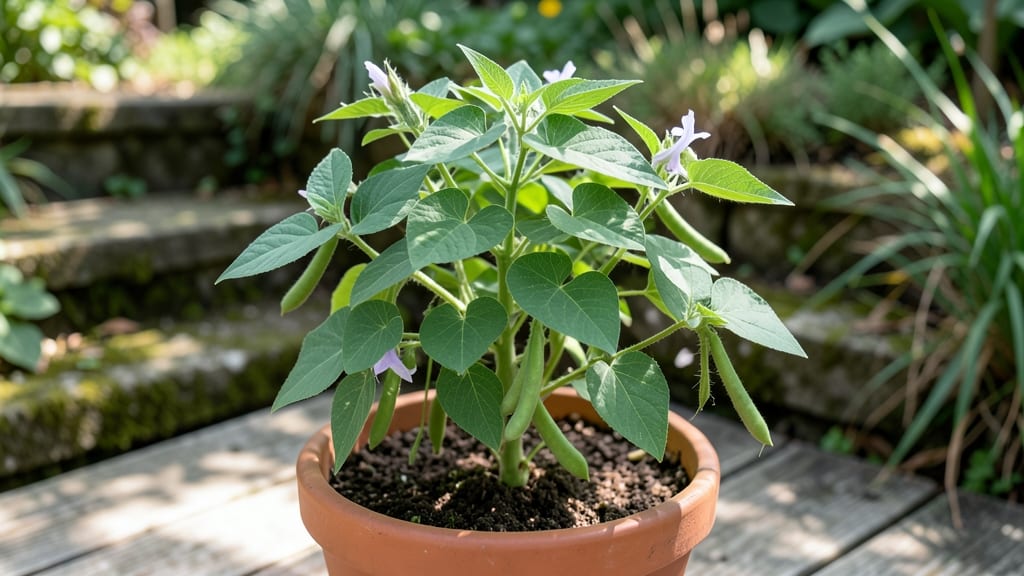
Growing a green bean plant in pot means fresh-picked beans from your balcony in just 6 weeks—no backyard needed. 🌱 I learned the hard way that most people underestimate how much space these vines need, but with the right pot and a few simple tricks, you’ll have a productive harvest even in small spaces.
The secret starts with a 5-gallon container (minimum) and well-draining soil mixed with compost. Green beans love warmth and sunlight, so place your pot in 6+ hours of direct sun daily—morning sun is ideal to prevent wilting.
Overwatering is the #1 mistake; let the top inch dry between waterings, and always use a pot with drainage holes. Once planted, watch for tall, bushy growth within 2 weeks. If leaves turn yellow, it’s usually overwatering or poor drainage.
Trellising beans saves space and improves airflow, cutting down on pests. By mid-summer, you’ll be snapping pods fresh from the vine, and your neighbors will ask for secrets. Works for bush or pole varieties, and you can even grow a second crop in late summer.
The key is consistency—sun, water, and patience pay off with pounds of beans from just a few plants.
📚 In This Guide
- What you need
- Instructions
- Tips and common mistakes
- Wrapping up and next steps
What you need
- ● Container: A pot at least 12 inches deep and 12 inches wide (diameter) with drainage holes. Terra cotta or fabric pots work best.
- ● Potting Mix: 1 gallon of well-draining, organic potting soil (avoid garden soil—it compacts too much).
- ● Green Bean Seeds: 4-6 bush bean seeds (e.g., 'Blue Lake' or 'Kentucky Wonder') or 2-3 pole bean seeds if using a trellis.
- ● Compost or Fertilizer: 1 tbsp of balanced organic fertilizer (5-5-5) or compost for nutrient boost.
- ● Watering Can or Spray Bottle: For gentle, even moisture.
- ○ Trellis or Cage (Optional): For pole beans—a 4-5 ft tall stake or A-frame trellis to support vines.
- ○ Gloves (Optional): To keep hands clean while handling soil.
- ● Trowel or Spoon: For planting seeds and mixing soil.
- ○ Mulch (Optional): Straw or shredded leaves to retain moisture and suppress weeds.
- ○ Plant Labels (Optional): To track varieties if growing multiple types.
- ○ Sunlight Meter (Optional): To confirm your balcony gets 6+ hours of sun daily.
Step-by-step instructions for growing green beans in pots
Here’s how to grow bushy, productive green bean plants in containers—no garden needed.
🪴 Step 1: Choose the Right Containers and Soil
Green beans need room to spread, so use 5-gallon pots or larger for each plant. Make sure they have drainage holes—beans hate soggy roots. I like fabric grow bags because they breathe and prevent root rot. Fill each pot with high-quality potting mix (not garden soil) mixed with half perlite for extra drainage.
Pat the soil down lightly so it’s firm but not packed. The mix should feel like a damp sponge—press it gently and it should hold its shape but not crumble. Avoid heavy garden soil, which compacts and suffocates roots. A 1-inch layer of compost on top adds nutrients without weighing down the soil.
🌱 Step 2: Plant Seeds at the Right Depth and Spacing
Plant 4-5 seeds per pot, about 1 inch deep and 2 inches apart. Green beans germinate best in warm soil (70-80°F)—if your balcony is cooler, soak the seeds overnight in lukewarm water first. Press them gently into the soil and cover lightly with more potting mix.
After germination (usually 7-10 days), thin the seedlings to 2-3 strongest plants per pot. Snip the weaker ones at the base with scissors—don’t pull, or you’ll disturb the roots. This gives the remaining plants room to grow without competing for nutrients.
☀️ Step 3: Provide Sun and Consistent Watering
Green beans crave full sun (6-8 hours daily). Place pots where they’ll get morning sun and afternoon shade if your balcony gets scorching afternoon rays. If you’re in a shady spot, use a grow light for 12-14 hours a day—beans need plenty of light to produce pods.
Water when the top inch of soil feels dry. Stick your finger in—if it’s bone-dry, give the pot a thorough drink until water runs out the drainage holes. Avoid letting soil stay soggy, but don’t let it dry out completely either. Mulch the surface with straw or shredded leaves to retain moisture and keep roots cool.
🌿 Step 4: Support Growth and Harvest Regularly
As plants grow, they’ll need support. Install 4-5 foot tall stakes or a trellis in each pot and gently weave the vines through as they climb. This keeps pods off the ground and prevents disease. If you’re growing bush beans (not pole beans), skip the trellis—they’ll stay compact.
Harvest starts in 6-8 weeks when pods are 4-6 inches long and crisp. Pick regularly to encourage more production—beans left too long on the vine turn woody and tough. Use sharp scissors to snip stems cleanly, and harvest in the morning for the freshest flavor.
⏰ Step 5: Extend the Season with Care
Green beans thrive in warm weather (60-85°F). If nights dip below 50°F, cover plants with a lightweight row cover to protect them. In hot climates, shade cloth helps prevent bolting (when plants flower too quickly). Stop harvesting when pods stop forming—this signals the end of the season.
After harvest, let plants die back naturally. If you’re in a mild climate, you might get a second flush of beans if you thin and fertilize lightly. Otherwise, compost the plants and start fresh next season—beans are annuals, but they’re worth the effort!
Tips & tricks for growing green beans in pots
Here’s what I’ve learned after growing green beans in pots for years—these tricks will help you avoid common pitfalls and get the best harvest.
Container Selection: Fabric grow bags are my go-to because they prevent root circling and allow for better airflow than plastic pots. If you don’t have fabric bags, choose containers with at least 18 inches of depth—they need room for those sprawling roots. I’ve seen green beans grow into compact bushes in 5-gallon pots, but deeper pots prevent root competition when multiple plants share space.
Soil Prep Secret: The mix of high-quality potting soil and half perlite is non-negotiable—it prevents compaction and mimics the well-draining conditions beans love in the ground. Before planting, add a handful of worm castings to the compost layer. These tiny powerhouses introduce beneficial microbes that help your beans absorb nutrients more efficiently. Trust me, your plants will thank you.
Germination Boost: If your balcony runs cool (below 70°F), soak those seeds overnight in lukewarm water before planting. This jumpstarts germination and cuts the 7-10 day wait time by about 24 hours. Place a clear plastic bag over the pot after planting to create a mini greenhouse effect—just remove it once you see sprouts emerging. Pro tip: Use a heat mat under pots if your space is chilly.
Harvesting Hack: The 6-8 week timeline is just a guideline—your beans will be ready when pods reach 4-6 inches and snap crisply when bent. Here’s my secret: Harvest every other day during peak production. I use a small pair of kitchen scissors to snip stems cleanly, and always harvest in the morning when pods are at their freshest. This regular picking encourages more flowers and pods to form, giving you a longer harvest window.
Pro Tips for Green Bean Plant In Pot
- Here’s what I’ve learned after growing green beans in pots for years—these tricks will help you avoid common pitfalls...
- Container Selection: Fabric grow bags are my go-to because they prevent root circling and allow for better airflow th...
- Soil Prep Secret: The mix of high-quality potting soil and half perlite is non-negotiable—it prevents compaction and ...
Frequently asked questions
Got questions about growing green beans in pots? You’re not alone! Here are answers to the most common queries to help you crush your balcony harvest.
How deep should the pot be for green beans?
Green beans need at least 10–12 inches of depth to grow comfortably. Shallower pots may stunt root growth, leading to fewer beans. If space is tight, opt for bush varieties (like ‘Blue Lake’) or use a deep container with good drainage.
Can I grow green beans in pots year-round?
Nope! Green beans thrive in warm weather (60–80°F). In cooler climates, start seeds indoors 2–3 weeks before the last frost, then transplant. If you’re in a hot zone, plant in spring or fall to avoid heat stress. A sunny balcony (6+ hours of light) is key!
Why are my green bean leaves turning yellow?
Yellow leaves usually mean overwatering or poor drainage. Let the top inch of soil dry out between waterings. Check for root rot if the pot feels soggy. Also, nutrient deficiency (like nitrogen) can cause this—try a balanced fertilizer or compost tea to revive your plant.
What’s the fastest way to harvest green beans from a pot?
Pick beans every 2–3 days when pods are 4–6 inches long for the best flavor and yield. Harvesting frequently encourages more production! If you miss a few, don’t worry—just keep picking to avoid overcrowding. Pro tip: Use sharp scissors to snip stems cleanly.
Can I grow other veggies with green beans in the same pot?
Green beans are light feeders, so they pair well with shallow-rooted plants like bush beans, lettuce, or radishes. Avoid heavy feeders (like tomatoes) or competitive plants (like corn). If sharing space, use a large pot (12+ inches) and monitor watering closely.
Wrapping up and next steps
Growing green beans in a pot is a rewarding journey that brings fresh, homegrown goodness to your table in just six weeks! With the right container, soil, and care, you’ll enjoy a bountiful harvest—even on a sunny balcony.
Whether you’re a beginner or a seasoned gardener, this method proves that big harvests start small.
Ready to dive in? Start by gathering your supplies, then follow the step-by-step guide to plant your seeds with confidence. Before you know it, you’ll be savoring crisp, homegrown beans straight from your pot—no grocery store required! 🌱