
Planting
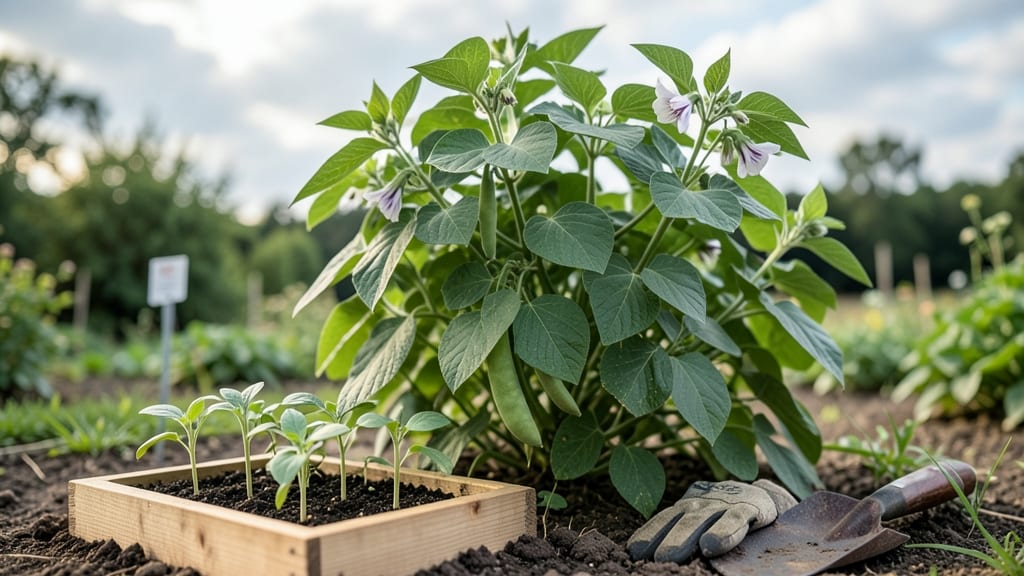
Planting Roma II bush beans means 60 days of bold green harvests—and I’ve grown them every year since they outproduced my old favorite by 30%. These beans thrive in warm soil, but the real secret is spacing them just right to avoid crowded vines.
My first try had tangled messes, but now I get straight, productive plants that snap easy for fresh eating or shelling.
Start with loose, well-draining soil mixed with compost—Roma IIs hate soggy roots—and plant seeds 1 inch deep, 3-4 inches apart in rows spaced 18-24 inches apart.
They love full sun (6+ hours daily) and warm soil (at least 60°F), so wait until after your last frost or use black plastic mulch to warm the ground faster. Containers work too, but go for at least 10-inch-deep pots with good drainage.
What you’ll end up with is a bush so productive you’ll have beans for weeks, even in small spaces. The plants stay compact (24-30 inches tall) and resist common diseases like rust and mosaic virus better than many varieties.
Just watch for Japanese beetles—they’ll strip leaves if you don’t act fast with neem oil or row covers.
Here’s the kicker: Roma IIs keep producing until frost, so if you plant a second crop in late summer, you might just stretch your harvest into October.
The key is consistent moisture—keep soil evenly damp but not waterlogged—and watch for those first tiny leaves breaking through the soil. That’s when the real fun begins.
📚 In This Guide
- What you need
- Instructions
- Tips and common mistakes
- Wrapping up and next steps
What you need
- ● Roma II Bush Bean Seeds: 1–2 lbs (enough for ~100–200 plants; spacing: 4–6 inches apart, rows 18–24 inches apart). Pro tip: 💡 Opt for certified organic seeds if possible!
- ● Growing Space: In-Ground: Well-draining soil (pH 6.0–7.0), 8–10 ft rows for small gardens, or 20+ ft for larger harvests.
- ● Containers: 5–7 gallon pots (minimum 12 inches deep) with drainage holes.
- ● Compost/Fertilizer: 2–3 lbs of aged compost or balanced organic fertilizer (10-10-10) per 100 sq ft.
- ● Garden Tools: Trowel or hand shovel
- ● Garden rake (for soil prep)
- ● Watering can or hose with adjustable nozzle
- ○ Optional (But Helpful!): Row marker or stakes (to guide spacing)
- ● Mulch (straw or grass clippings to retain moisture)
- ● Trellis or cages (if growing vertically for space-saving)
- ● Soil test kit (to check pH/nutrients before planting)
- ● Last Frost Date: Wait until after the last frost (Roma II beans cannot tolerate cold!).
- ● Sunlight: Full sun (6–8+ hours/day). Pro tip: 🌡️ Partial shade in hot climates can prevent bolting!
- ● Water Access: Consistent moisture (1–1.5 inches/week; drought = stunted growth).
Step-by-step instructions for planting Roma II bush beans
Here's how I grow Roma II beans—fast, productive, and foolproof for a summer-long harvest.
Choose the Perfect Planting Spot
Roma II bush beans thrive in full sun, so pick a location that gets at least 6-8 hours of direct sunlight daily. I always test the spot first by observing it for a week—watch for afternoon shade from nearby trees or buildings. The soil should drain well but retain moisture, so avoid low-lying areas where water pools after rain.
Beans dislike soggy roots, so if your garden soil drains poorly, mix in 2-3 inches of compost to improve texture. Work the compost into the top 6 inches of soil and rake smooth. The ideal soil temperature for planting is 60-85°F, so wait until after the last frost when the ground warms up.
Prepare the Soil and Plant Seeds
Use a trowel to create planting holes 1-2 inches deep, spaced 4-6 inches apart in rows that are 18-24 inches apart. Roma II beans grow compactly, so you can plant them closer together than pole beans. I like to plant 3-4 seeds per hole and thin later—this ensures a strong stand even if germination isn't perfect.
Place seeds 1 inch deep in the holes, covering them lightly with soil. Press down gently to remove air pockets but don't compact the soil. Water the area immediately after planting to settle the soil around the seeds. Keep the soil consistently moist but not soggy until germination, which typically occurs in 7-14 days depending on temperature.
Maintain Moisture and Support Growth
Once seedlings emerge, thin to the strongest plant per hole, leaving 2-3 inches of space between plants. This prevents overcrowding and reduces competition for nutrients. You'll know it's time to thin when seedlings have 2-3 true leaves—gently pull the weaker ones at the base to avoid disturbing roots.
Water at the base of the plants in the morning to allow foliage to dry quickly, reducing disease risk. Aim for 1 inch of water per week, adjusting for rain. Beans are shallow-rooted, so consistent moisture is key. I mulch with 2 inches of straw or grass clippings to retain soil moisture and suppress weeds, which saves time and keeps the soil cool.
Fertilize and Monitor for Pests
Roma II beans are light feeders, so avoid heavy nitrogen fertilizers, which promote leafy growth at the expense of pods. Instead, side-dress with ½ cup of compost or aged manure per plant when flowers appear. This boosts pod production without overstimulating foliage. I also sprinkle a handful of crushed eggshells around the base for calcium, which strengthens cell walls and deters pests like slugs.
Watch for common bean pests like Mexican bean beetles or aphids. If you spot them, blast off with a strong stream of water or use neem oil as a preventive spray. I inspect plants weekly, especially the undersides of leaves, where pests hide. Healthy plants with good airflow rarely suffer severe damage, so proper spacing and mulching go a long way.
Harvest for Peak Flavor and Productivity
Roma II beans are ready to harvest when pods are 4-6 inches long and firm to the touch. I pick every 2-3 days to encourage continuous production—the more you harvest, the more the plant produces. Use pruning shears or your fingers to snap pods cleanly at the stem. Harvest in the morning when pods are crisp and flavorful.
With proper care, Roma II beans produce for 60-70 days after planting, yielding 4-6 pounds per 10-foot row. Save seeds from your best plants by allowing a few pods to mature fully on the vine—they'll turn brown and dry. Store seeds in a cool, dry place for next year's planting. The key to a bountiful harvest is consistency: water, thin, mulch, and harvest regularly.
Tips & tricks for planting Roma II bush beans
These simple strategies will help you maximize your Roma II bush bean harvest with minimal effort.
Sunlight Strategy: While the instructions call for 6-8 hours of sunlight, I’ve found that morning sun (6+ hours) is even more critical than afternoon exposure. Beans love bright morning light for photosynthesis, which kickstarts growth. If you’re in a hot climate, provide afternoon shade after the first month to prevent stress—especially if temperatures exceed 85°F. A simple shade cloth works wonders.
Germination Hack: The 7-14 day germination window can feel like an eternity, but there’s a trick to speed things up. Soak your Roma II seeds in warm water for 8 hours before planting. This jumpstarts the process and often brings sprouts in just 5-7 days. Just be sure to plant them immediately after soaking—they won’t wait long!
Thinning Made Easy: When you’re thinning seedlings to 2-3 inches apart, I recommend doing it in stages. First, remove the weakest plants when they have 1-2 true leaves, then thin again at 2-3 leaves. This prevents overcrowding gradually and gives your strongest plants more space to thrive. Pro tip: Use a small pair of scissors to snip seedlings at soil level—it’s cleaner than pulling.
Pest Prevention: The instructions mention neem oil, but I’ve found crushed red pepper flakes work just as well for deterring pests like Mexican bean beetles. Sprinkle a light layer around the base of plants when they’re about 6 inches tall. The spicy scent confuses pests without harming beneficial insects. Just avoid overdoing it—too much can stress the plants.
Pro Tips for Roma Ii Bush Bean Planting
- These simple strategies will help you maximize your Roma II bush bean harvest with minimal effort.
- Sunlight Strategy: While the instructions call for 6-8 hours of sunlight, I’ve found that morning sun (6+ hours) is e...
- Germination Hack: The 7-14 day germination window can feel like an eternity, but there’s a trick to speed things up. ...
Frequently asked questions
When is the best time to plant Roma II bush beans?
Plant Roma II bush beans after the last frost when soil temps reach 60°F (15°C). For most U.S. regions, this means April–June. If your growing season is short, opt for early-maturing varieties or extend it with row covers. Avoid planting in hot soil—wait until it cools in late afternoon.
How long do Roma II bush beans take to harvest?
Roma II beans are a bush-type variety with a 50–60 day harvest window from planting. Start picking young pods (3–4 inches long) for tender, string-free beans. For maximum yield, harvest every 2–3 days—overripe pods reduce plant productivity. Pro tip: Morning harvests keep beans crisp!
Can I grow Roma II beans in containers or small spaces?
Roma II’s compact 18–24 inch height makes them ideal for containers (5+ gallon pots) or small gardens. Use well-draining potting mix and place pots in full sun (6+ hours/day). For vertical gardening, train vines with a trellis or cage—this also improves airflow and reduces disease risk.
What should I do if my Roma II beans get pests or diseases?
Common pests like bean beetles or aphids? Spray plants with neem oil or insecticidal soap early. For fungal issues (e.g., rust or powdery mildew), improve airflow, water at soil level (not leaves), and rotate crops next season. Prevention tip: Plant marigolds nearby to repel pests naturally!
Do Roma II beans need special care in hot or cold climates?
Roma II beans thrive in warm weather (70–85°F) but struggle in extreme heat (>90°F). In hot climates, provide afternoon shade or mulch to retain moisture. For cooler areas, use black plastic mulch to warm soil. Cold snaps? Protect seedlings with frost cloth—they won’t tolerate frost.
Wrapping up and next steps
Planting Roma II Bush Beans is a rewarding journey that delivers bold, flavorful harvests in just 60 days—perfect for gardeners eager to grow their own fresh produce!
With the right soil, spacing, and care, these beans thrive effortlessly, offering a bountiful yield for salads, soups, or freezing. Now’s your chance to turn your garden into a green bean factory!
Ready to dive in? Start by gathering your supplies (like seeds, stakes, and compost) and mark your calendar for planting—then watch those vines grow! 🌱💚