
Planting
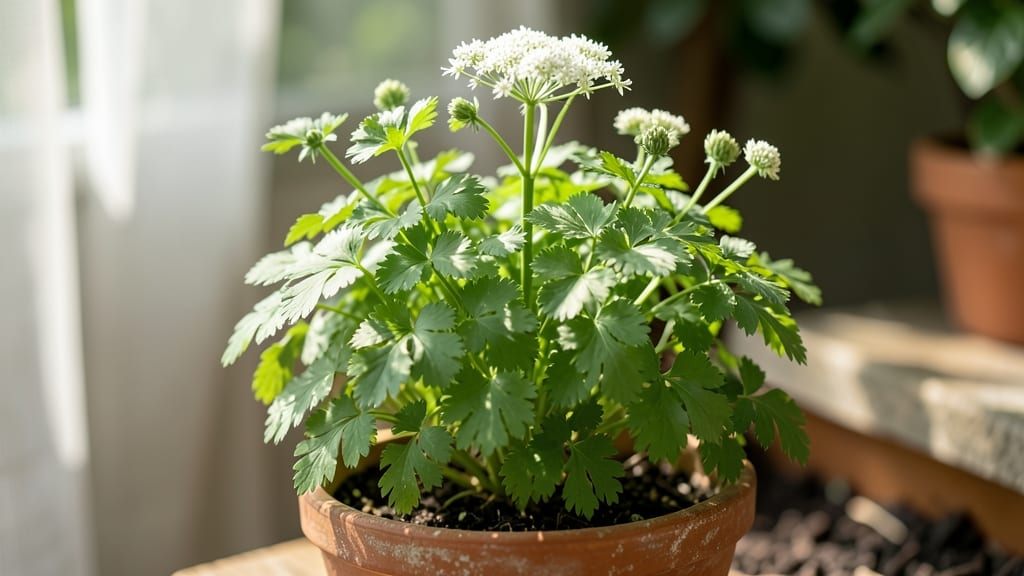
A healthy cilantro plant starts with the right conditions—bright light, cool soil, and patience. 🌱 I've learned the hard way that cilantro bolts faster than you can say "pesto," but these simple tweaks keep it lush and flavorful for months.
The secret lies in mimicking its Mediterranean roots: cool nights, consistent moisture, and avoiding heat stress.
Begin with fresh seeds in well-draining potting mix, planted just beneath the surface. Keep soil consistently moist but never soggy—cilantro hates wet feet. A south-facing window or grow light works indoors, while outdoors, partial shade in summer prevents early bolting.
Most gardeners overlook humidity, but a light misting or pebble tray keeps leaves crisp and vibrant.
By week 3, you'll see those signature feathery leaves emerge, and with proper care, your plant will stay productive for 6-8 weeks before flowering. The flavor peaks when leaves are young and tender, so harvest regularly by snipping stems just above a leaf pair.
This encourages bushier growth and prevents legginess.
For long-term success, succession plant every 2-3 weeks to ensure a continuous harvest. Cilantro thrives in containers or garden beds, making it perfect for small spaces or urban balconies. The key is consistency—once you master the light and water balance, you'll have fresh cilantro whenever you need it.
📚 In This Guide
- What you need
- Instructions
- Tips and common mistakes
- Wrapping up and next steps
What you need
- ● Cilantro seeds: Choose organic, non-GMO seeds (about ½ teaspoon for a small pot or 1 teaspoon for a garden bed). Look for varieties like Santo or Calypso for bold flavor!
- ● Containers or garden bed: For pots: 6-inch diameter containers (2–3 plants per pot) with drainage holes.
- ● For garden beds: Well-draining soil in a sunny spot (6–8 hours of sunlight daily).
- ● Potting mix: Lightweight, well-draining mix (e.g., 60% peat moss or coco coir + 40% perlite or vermiculite). Avoid heavy garden soil.
- ● Watering can or spray bottle: A gentle stream to avoid disturbing seeds.
- ○ Fertilizer (optional but helpful): Balanced liquid fertilizer (5-5-5 or 10-10-10) or compost tea for nutrient boost.
- ● Hand trowel or small shovel: For planting seeds or transplanting seedlings.
- ● Spray bottle: Keeps seeds moist without overwatering.
- ● Pruning shears: For harvesting leaves and encouraging bushier growth.
- ○ Gloves (optional): Protects hands from soil and sharp seed casings.
- ○ pH test kit (optional): Ensures soil pH is between 6.2–6.8 (ideal for cilantro).
- ● Warm weather (or indoor setup): Cilantro germinates best in 60–75°F (15–24°C) soil. Start indoors 4–6 weeks before the last frost if planting outside.
- ● Sunlight access: A south-facing window or grow lights (12–16 hours/day) for indoor plants.
- ● Patience: Seeds take 7–14 days to sprout—consistent moisture is key!
Step-by-Step guide to growing a thriving cilantro plant
Cilantro thrives when you respect its cool-season nature and fast growth cycle—here’s how to grow it strong from seed to harvest.
🌱 Step 1: Start Seeds Indoors or Direct-Sow in Cool Soil
Cilantro seeds germinate best in 60-70°F soil, so direct-sow outdoors only after your last frost date or start indoors 4-6 weeks before transplanting. Use a light, well-draining seed-starting mix—cilantro hates compacted soil that slows germination. Press seeds just ¼ inch deep in rows spaced 12 inches apart.
Keep the soil consistently moist but never soggy—cilantro seeds need steady moisture to sprout. A spray bottle works best for even coverage. Germination takes 7-14 days, but patience pays off—don’t give up if nothing appears in the first week. Once seedlings emerge, thin to 3-4 inches apart to prevent overcrowding and bolting.
☀️ Step 2: Provide Partial Shade and Consistent Moisture
Cilantro bolts (goes to seed) when stressed by heat or dryness, so protect it from full sun afternoons in hot climates. A 50% shade cloth during peak sun hours keeps leaves tender. Water at the soil level 1-2 inches deep every 2-3 days, letting the top inch dry between waterings—wilting triggers bolting.
Morning watering is ideal—it gives roots time to absorb moisture before the heat of the day. You’ll know you’re doing it right when leaves stay vibrant green and stems remain sturdy. Avoid overhead watering, which can spread fungal diseases like powdery mildew.
✂️ Step 3: Harvest Strategically to Encourage Regrowth
Harvest cilantro by snipping outer stems just above a set of leaves—this stimulates bushier growth. Use clean scissors and cut 1-2 inches above the soil line for a fuller plant. Regular harvesting prevents bolting by redirecting energy into leaf production. For a continuous supply, harvest every 2-3 weeks throughout the growing season.
If the plant starts flowering (bolting), cut the entire stem at the base—it won’t regrow, but you can replant seeds for a fresh batch. The key is to stay ahead of the bolting cycle by keeping soil moist and providing afternoon shade. A thriving cilantro plant will reward you with 4-6 weeks of fresh harvests before needing replacement.
⏰ Step 4: Extend the Season with Successive Plantings
Cilantro grows best in cool weather—plant every 2-3 weeks from early spring until midsummer for a continuous supply. In warm climates, opt for shade-tolerant varieties like ‘Calypso’ or ‘Slow Bolt’ to delay bolting. Succession planting ensures you always have fresh cilantro without gaps.
For fall harvests, sow seeds 8-10 weeks before your first frost date. Cilantro tolerates light frosts, so don’t rush to harvest—flavor actually improves after a light freeze. Mulch with 1-2 inches of straw to protect roots from temperature swings and retain moisture.
Tips & tricks for perfect cilantro growth
Here's what nobody tells you about growing cilantro that'll make all the difference between a sad little plant and a thriving herb garden staple.
Soil Temperature Secret: The 60-70°F soil temperature range is non-negotiable for germination. I learned this the hard way after ruining three batches in cold soil—cilantro seeds simply won't sprout below 60°F. If your soil is cooler, use a seedling heat mat or wait until daytime temperatures consistently reach 65°F before planting. This is especially critical for early spring plantings.
Thinning Technique: When you thin seedlings to 3-4 inches apart in Step 1, don't just pull them—snip at the soil line with clean scissors. This prevents disturbing the roots of nearby plants and gives you a clean workspace. I also recommend thinning gradually over 2-3 days rather than all at once, which reduces stress on the remaining seedlings. The goal is to give each plant enough room to grow without competing for nutrients.
Bolting Prevention: The afternoon shade in Step 2 is your best defense against bolting, but morning watering is equally important. I've found that watering deeply at the soil level (1-2 inches) in the morning gives roots time to absorb moisture before the heat of the day. This consistent moisture pattern prevents the stress that triggers bolting. In particularly hot climates, consider adding a second shade cloth layer during the hottest part of the afternoon.
Harvesting Hack: For continuous harvests, I've developed a system of staggered planting and harvesting. When I harvest every 2-3 weeks as directed in Step 3, I always leave the center stems intact. These become the new growth points for the plant, allowing it to regenerate more vigorously. This method has extended my harvest window by nearly 3 weeks compared to traditional harvesting techniques.
Pro Tips for Healthy Cilantro Plant
- Here's what nobody tells you about growing cilantro that'll make all the difference between a sad little plant and a thriving herb garden staple.
- Soil Temperature Secret: The 60-70°F soil temperature range is non-negotiable for germination.
- Thinning Technique: When you thin seedlings to 3-4 inches apart in Step 1, don't just pull them—snip at the soil line with clean scissors.
Frequently asked questions
Got questions about growing a lush, healthy cilantro plant? You’re not alone—even seasoned gardeners hit snags! Below, we tackle the most common queries to keep your cilantro thriving from seed to harvest.
How often should I water my cilantro plant?
Keep the soil consistently moist but not soggy—aim for about 1 inch of water per week, adjusting for rain or heat. Young seedlings need frequent watering (every 2–3 days), while mature plants tolerate slightly drier soil. Morning watering prevents fungal issues and wilting.
Why does my cilantro bolt so quickly?
Cilantro bolts (goes to seed) due to heat or long daylight. To delay bolting, plant in cool spring/fall (avoid summer heat) and choose slow-bolting varieties like ‘Santo’ or ‘Calypso’. Shade cloth (30–50%) can help in hot climates. Harvest leaves before flowers appear to enjoy fresh cilantro longer!
Can I grow cilantro indoors without sunlight?
Yes! Place your cilantro near a south-facing window (6+ hours of light daily) or use a grow light (12–14 hours/day). A sunny windowsill or a LED grow bulb keeps plants happy. Rotate pots weekly for even growth. Pro tip: Thin seedlings to 2–3 inches apart to prevent overcrowding.
What pests should I watch for on cilantro?
Common culprits include aphids, spider mites, and flea beetles. Neem oil or insecticidal soap works for mild infestations. For flea beetles, use row covers or companion-plant with nasturtiums. Check leaves daily—early action prevents damage!
What can I plant with cilantro to improve growth?
Cilantro thrives with companion plants like:
- Carrots (deters aphids)
- Onions/garlic (repels pests)
- Lettuce (shares similar water needs)
Wrapping up and next steps
Growing a healthy cilantro plant is easier than you think—just follow the right steps, stay patient, and give it the love it deserves! 🌱 With the right soil, sunlight, and care, you’ll soon be harvesting fresh, vibrant leaves for your favorite dishes.
Whether you’re a beginner or a seasoned gardener, this little herb rewards effort with big flavor.
Ready to take the next step? Start small—plant a few seeds in a pot or garden bed, and soon you’ll be enjoying homegrown cilantro in tacos, soups, and salads. Happy growing! 🌿