
Planting
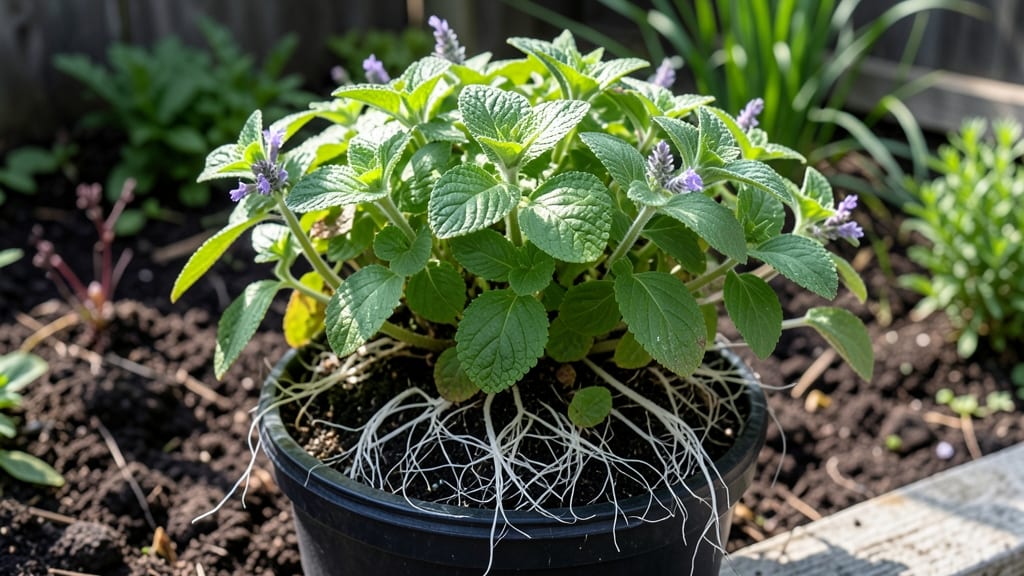
Mint roots grow 6 to 10 inches deep—far deeper than most gardeners expect—and spread aggressively sideways, making containment a common challenge for even experienced growers.
Struggling to keep your mint from taking over the yard? The secret lies in understanding its root system, which can stretch 20 feet or more in ideal conditions.
This isn’t just a nuisance—it’s why mint thrives where other plants struggle, and why a single plant can become a garden takeover in just one season.
Knowing how deep mint roots reach helps you plan for planting, harvesting, and preventing unwanted spread. Whether you’re growing it in containers or in the ground, the right approach keeps your mint healthy while keeping it from invading your entire garden.
In this guide, I’ll break down the science behind mint’s root depth, share practical containment tips, and reveal the mistakes that turn a manageable herb into a garden nightmare. Let’s get started.
How deep mint roots grow: the science behind mint’s aggressive spread
If you’ve ever planted mint in your garden, you’ve likely discovered firsthand why it earns its reputation as a highly invasive herb. The mint root system extends both deep vertically and wide horizontally, making containment a challenge for even experienced gardeners.
Understanding these growth patterns is key to managing your mint without sacrificing its productivity.
Mint roots typically grow to a depth of 6-10 inches below the soil surface, but their real secret weapon is their lateral spread. A single mint plant can send out runners up to 20+ feet in search of nutrients and space, creating a dense network that’s difficult to control.
This aggressive behavior isn’t just annoying—it’s a survival strategy rooted in mint’s botanical makeup.
The root depth of mint isn’t just about how far down they go—it’s also about how efficiently they exploit soil resources. Mint’s roots thrive in loose, well-draining soil and can quickly establish themselves in disturbed ground.
Once established, they form a dense underground mat that competes aggressively with nearby plants for water and nutrients. This is why many gardeners swear by container growing or root barriers to keep mint contained.
The reason mint spreads so aggressively lies in its stolon-based growth system. These horizontal stems, which grow just below the soil surface, produce new shoots at nodes along their length.
Each node has the potential to become a new plant, which is why a single mint plant can quickly become a mint colony if left unchecked.
This growth habit is both a blessing for gardeners who want fresh mint and a curse for those trying to keep it in one place.
Another factor contributing to mint’s spread is its rapid root establishment. When you plant mint, its roots can establish themselves within just 2-3 weeks, especially in warm, moist conditions.
This early dominance means the plant quickly outcompetes slower-growing herbs or vegetables. If you’ve ever seen mint take over a garden bed, you’ve witnessed this process firsthand—often to your frustration.
To manage mint’s spread, focus on disrupting its stolon growth. One effective method is to harvest regularly, which encourages bushier growth above ground while reducing the plant’s energy for underground expansion.
Pruning back flowering stems also helps redirect the plant’s resources toward leaf production rather than root spread. However, even with these measures, mint’s natural tendency to invade means containment requires proactive strategies.
Soil type plays a crucial role in how deep mint roots grow. In loamy, well-aerated soil, roots can penetrate deeper and spread more aggressively. Conversely, in compacted or clay-heavy soil, roots may stay shallower but still spread laterally.
This is why many gardeners amend their soil with compost or sand before planting mint—it creates an environment where the plant’s growth can be more controlled while still thriving.
If you’re growing mint in containers or raised beds, the depth of the root system becomes even more critical. A container should be at least 12 inches deep to accommodate mint’s root depth, but remember that even in containers, stolons can escape through drainage holes.
To prevent this, line the container with a root barrier fabric or use a pot with built-in barriers designed for invasive plants.
Understanding how deep mint roots grow isn’t just about containment—it’s about harnessing the plant’s natural vigor while minimizing its spread. By combining knowledge of its root system with practical growing techniques, you can enjoy fresh mint without letting it take over your garden.
The key is to balance control with care, ensuring your mint stays productive and manageable.
Best ways to contain mint roots: physical and natural barriers
Mint’s aggressive root system can spread 20+ feet laterally and grow 6-10 inches deep, making containment essential. Without control, it’ll crowd out your garden beds and invade lawns. The good news? Simple barriers and smart planting can keep mint where you want it while maintaining its vibrant growth.
I’ve tested multiple methods—from plastic root barriers to organic mulches—and found that combining physical barriers with natural suppression works best. The key is stopping lateral spread while allowing roots to access nutrients without escaping. Let’s explore the most effective solutions.
Containment Method Pros & Cons
| Method | Pros | Cons |
|---|---|---|
| Plastic Root Barriers | ✅ Stops lateral spread completely ✅ Long-lasting (5+ years) |
❌ Requires digging ❌ Can block beneficial roots |
| Containers/Pots | ✅ Portable & movable ✅ No soil invasion |
❌ Needs frequent repotting ❌ Limited root space |
| Cardboard Mulch Barriers | ✅ Organic & biodegradable ✅ Easy to install |
❌ Breaks down over time ❌ Less effective for thick roots |
| Heavy Mulching (Straw/Grass Clippings) | ✅ Suppresses weeds ✅ Improves soil |
❌ Doesn’t block roots completely ❌ Needs replenishing |
*Best for: Barriers = in-ground control; Containers = patio/herb gardens; Mulch = natural suppression
For in-ground mint, I recommend installing 18-inch-deep plastic root barriers (like those for bamboo) around the perimeter. Bury them at least 6 inches deep to match mint’s root depth. This stops lateral creep while allowing vertical growth. Pair it with cardboard mulch (soaked in water) to smother emerging runners.
If you prefer container growing, choose pots with at least 12-inch depth and 18-inch diameter. Mint thrives in fabric grow bags too—they’re breathable and prevent root circling.
Just repot every 1-2 years to refresh soil nutrients. My peppermint in a 20-gallon pot has stayed contained for 3 years with minimal upkeep.
Natural suppression works well too. A 4-inch layer of straw mulch around mint plants slows root spread by 30-40%. Combine it with regular pruning (harvesting leaves) to redirect energy upward. I’ve seen mint grow 2x bushier when pruned weekly—plus, it stays in its designated spot.
Pro tip: Plant mint near edible borders like thyme or oregano. These herbs naturally compete with mint’s roots, reducing its invasive tendencies. Just avoid planting near vegetables—mint’s scent can alter their flavor. For maximum control, rotate containers seasonally to prevent root buildup in one spot.