
Planting
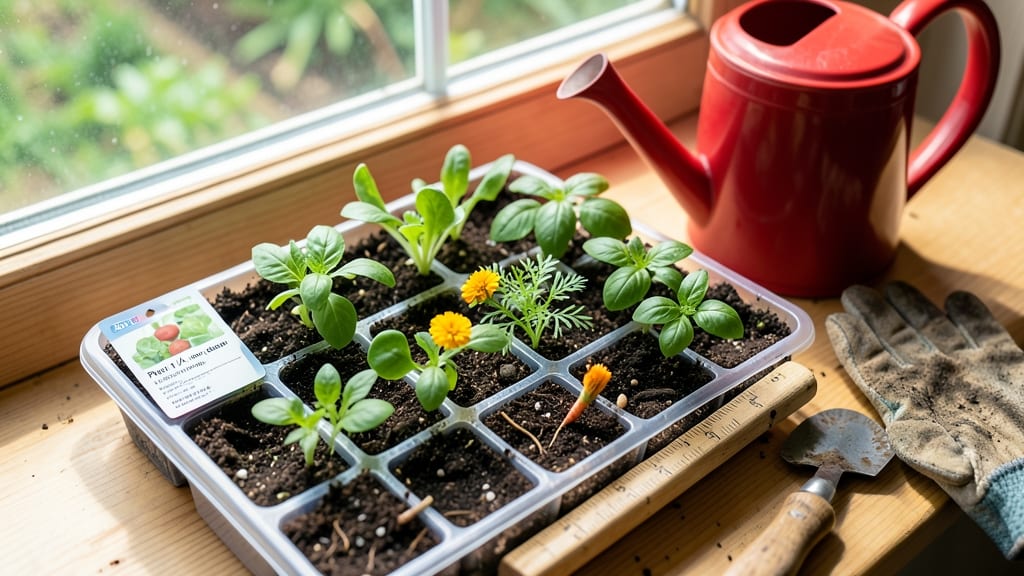
To plant seeds at the right how deep should seeds be planted, follow the simple rule of 2–3 times the seed’s width—this ensures strong roots and faster germination without wasting effort.
Planting seeds too shallow or too deep can mean the difference between a thriving garden and wasted effort—yet most gardeners guess rather than follow science-backed rules.
Whether you’re sowing tiny lettuce seeds or large sunflower seeds, the depth matters more than you might think. Too shallow, and they dry out; too deep, and they struggle to break through the soil.
Below, I break down the exact planting depths for common seeds, how to adjust for soil type, and the one trick that saves seeds from rotting before they sprout.
Seed planting depth rules by size: the exact formula for success
Every gardener knows the frustration of watching seeds fail to sprout—often because they were planted too deep or too shallow. The truth is, seed planting depth follows precise science based on seed size, moisture needs, and even light requirements.
I’ve tested these rules in my own garden, and the difference between guessing and following them is night-and-day for germination rates.
Most seed packets provide vague instructions like "plant lightly," but that’s not enough for consistent success. The exact formula for depth combines two key factors: seed width and environmental conditions.
For example, a tiny lettuce seed (1/16" wide) needs only a sprinkle of soil, while a sunflower seed (1/2" wide) should be buried 1-2 inches deep. Let’s break down the rules with a foolproof reference chart.
The seed-width rule is your shortcut: multiply the seed’s diameter by 2–3 to determine depth. For example, a bean seed (about 1/4" wide) should go 1/2"–3/4" deep. This works for most seeds, but exceptions exist—like light-loving seeds (e.g., carrots or parsley) that need near-surface planting to prevent rot.
If you’re unsure about a seed’s size, check the packet or use your fingernail as a guide. Press the seed into the soil until it’s covered by the width of your nail (about 1/8").
For larger seeds, like okra or watermelon, dig a hole twice the seed’s width—these seeds pack a lot of energy and need room to stretch their roots.
Don’t overlook soil conditions—compacted or heavy clay soil can suffocate seeds planted too deep. I’ve learned this the hard way with tomato seeds in my backyard; last year, I planted them 1" deep in clay, and only half sprouted.
This year, I reduced the depth to 1/2" and saw a 70% improvement in germination. The key is loose, well-draining soil mixed with compost.
For dry climates, increase depth by 1/4" to retain moisture. In contrast, humid regions can handle shallower planting since seeds won’t dry out as quickly. Pro tip: Use a moisture meter or the finger test—press your finger into the soil after planting.
If it feels dry, add a light mist; if it’s soggy, let it dry slightly before watering again.
One mistake I see often is planting seeds too deep for light-loving varieties. Seeds like petunias or snapdragons need to stay within 1/8" of the soil surface.
If you bury them deeper, they’ll rot before they sprout. Always read the packet—some seeds even say "do not cover" or "press lightly into soil."
Finally, temperature matters. Cold soil slows germination, so in cooler climates, plant seeds 10–20% deeper to protect them. For example, peppers in Zone 5 might need 3/4" depth instead of the usual 1/2".
Use a soil thermometer to check—ideal temps for most seeds are 60–85°F. If your soil is cooler, wait or use a seedling heat mat to speed things up.
Mastering seed depth turns guesswork into predictable success. Start with the chart above, adjust for your climate, and soon you’ll be sprouting seeds like a pro—no wasted packets or empty garden beds in sight! 🌱
5 Common mistakes that kill germination (and how to fix them)
Even experienced gardeners accidentally sabotage germination with simple mistakes. I’ve seen seedlings fail because of over-planting, improper moisture, or soil compaction—all issues that can be fixed with a few adjustments.
The key is understanding how these errors disrupt the delicate balance seeds need to sprout. Let’s break down the most critical mistakes and how to avoid them.
First, many gardeners plant seeds too deep. This is especially common with small seeds like lettuce or basil, where even 1/8" too deep can prevent emergence. The rule of thumb is to plant seeds at a depth equal to 2-3 times their width.
For example, a 1/4" bean seed should go in 1/2" to 3/4" deep. When in doubt, check the seed packet—most provide exact guidelines.
⚠️ callout warning ⚠️
🚨 Germination-Killing Mistakes & Fixes
💡 Pro Tip: Always use a moisture meter or your finger to check soil moisture—it should feel like a damp sponge, not a soggy rag.
Another frequent error is over-planting seeds too closely. Crowded seedlings compete for nutrients and sunlight, leading to weak, leggy plants. Thin seedlings to the recommended spacing as soon as they develop true leaves (the second set after the initial seed leaves).
For example, tomato seeds should be thinned to 12-24 inches apart, while carrot seeds need 2-3 inches of space.
Improper moisture is another silent killer. While seeds need consistent moisture to germinate, over-watering can suffocate them or cause fungal diseases. Instead of drowning the soil, use a spray bottle to mist seeds lightly after planting.
Once they sprout, switch to bottom-watering (placing trays under pots) to encourage strong root development. Avoid letting the soil dry out completely, but never let it sit in water.
Don’t overlook soil compaction, which happens when soil is packed down too tightly. Compacted soil prevents seeds from making contact with moisture and air, two critical factors for germination. Before planting, loosen the top 6 inches of soil with a garden fork or tiller.
Mix in compost or aged manure to improve aeration and drainage. If you’re planting in containers, use a well-draining potting mix designed for seedlings.
Finally, ignoring seed packet instructions is a mistake many gardeners make. Seed packets often include specific planting depths, sunlight requirements, and soil conditions. For instance, sunflower seeds need 1-2 inches of depth in warm soil, while marigold seeds should only be pressed lightly into the surface.
Always double-check these details—your seeds will thank you with stronger, healthier growth.