
Planting
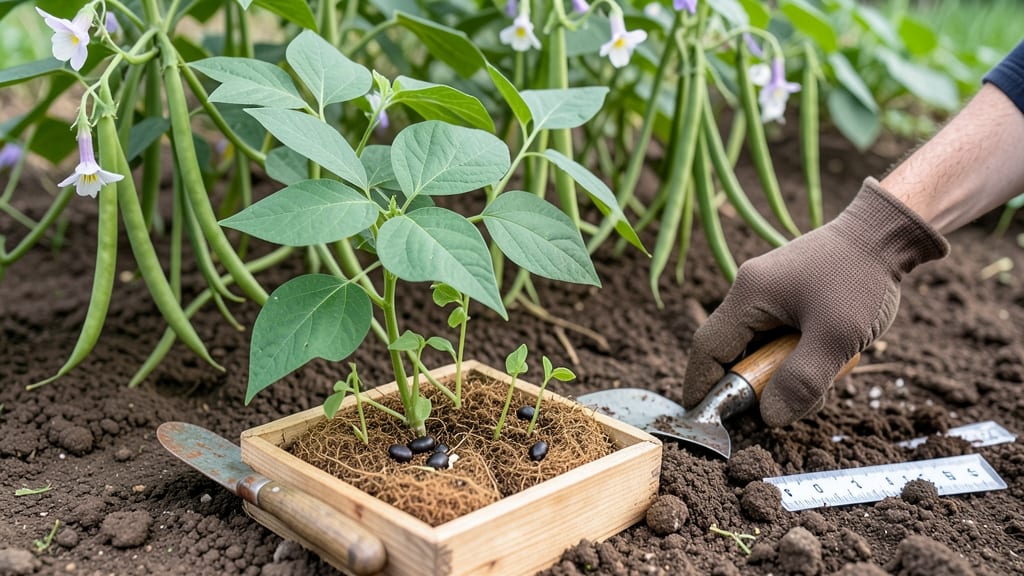
Learning how deep to plant string beans—about 1 inch below soil—is the secret to fast germination and strong starts.
Struggling with string beans that refuse to sprout? The secret might be hiding in your planting depth—getting it wrong can delay germination by weeks. Here’s the exact soil depth science for faster, stronger string bean growth.
Too deep, and your seeds suffocate; too shallow, and they dry out. Soil type, temperature, and even seed variety play a role, too. I’ll break down the optimal depth for your climate, plus pro tips to avoid common mistakes that kill germination before it starts.
By the end, you’ll know exactly how to plant your string beans for reliable sprouts and a bountiful harvest from July through September.

Optimal planting depth for string beans: the science-backed guide
If you've ever planted string beans and watched them take forever—or worse, never—sprout, you're not alone. The planting depth plays a surprisingly critical role in germination success. For string beans, getting this right can mean the difference between a thriving garden and a disappointing wait.
The ideal depth isn't just a guess—it's rooted in seed biology and environmental factors.
String beans thrive when planted at a 1-inch depth, with a maximum of 2 inches in ideal conditions. This depth ensures seeds receive the right balance of moisture and warmth while avoiding the risks of rot or delayed sprouting.
But why this specific range? Let’s break down the science behind it.
Germination depends on three key factors: soil moisture, temperature, and oxygen access. Planting too deep (beyond 2 inches) starves seeds of oxygen, slowing or preventing sprouts. Too shallow (less than 1 inch), and seeds dry out or get washed away. The 1-inch sweet spot balances these needs perfectly.
Soil type also influences depth adjustments. Heavy clay soil holds moisture longer, so you might plant slightly deeper (up to 1.5 inches) to prevent seeds from drying out.
Conversely, sandy soil drains quickly, so stick to the 1-inch mark or use mulch to retain moisture. Always loosen soil before planting to improve aeration and root penetration.
Now, let’s talk temperature—string beans need soil temps between 60-85°F to germinate. If your soil is cooler (below 60°F), planting deeper can help retain warmth near the seeds. But if temps are already ideal, deeper planting risks poor germination. Use a soil thermometer to check before planting.
| Factor | Optimal Specification | Adjustment Notes |
|---|---|---|
| Planting Depth | 1–2 inches | 1 inch ideal; 2 inches max for heavy soil |
| Soil Type | Loamy or sandy | Clay soil: plant 1.5 inches deep; sandy soil: mulch after planting |
| Soil Temperature | 60–85°F | Cooler soil? Plant slightly deeper; warmer? Stick to 1 inch |
| Moisture Level | Consistently damp | Water before planting; keep soil moist until germination |
| Seed Variety | Bush or pole | No depth difference; focus on spacing instead |
Here’s a pro tip: after planting, gently firm the soil around seeds to create good seed-to-soil contact. This ensures moisture stays where it’s needed. Avoid compacting too hard, though—you want roots to push through easily.
For container gardening, use well-draining soil mixes and plant seeds at the 1-inch mark from the top of the potting mix.
Moisture is just as critical as depth. Water the soil thoroughly before planting, then keep it consistently moist until germination (about 7–14 days). Overwatering can suffocate seeds, while underwatering dries them out. A light misting every 2–3 days usually suffices, but adjust based on your climate.
If you’re planting in cooler climates or early spring, consider using black plastic mulch to warm the soil faster. This lets you plant at the ideal 1-inch depth without worrying about temperature delays. For warmer regions, shade cloth can prevent seeds from drying out too quickly after planting.
Finally, remember that string beans are light-sensitive. Planting too deep buries their natural light-seeking mechanism, slowing emergence. If you notice seeds struggling, gently scrape soil away (but don’t expose them completely) to encourage upward growth. Patience is key—most varieties sprout within 7–10 days under ideal conditions.
With the right depth, your string beans will sprout faster, grow stronger, and reward you with a bountiful harvest. Next time you’re prepping your garden, grab that trowel and plant with confidence—1 inch deep is your secret to success! 🌱
How soil type and seed variety change planting depth requirements
Not all string beans thrive with the same planting depth—soil type and seed variety play surprisingly big roles in germination success. For example, bush beans need slightly shallower depths than pole beans, while sandy soil requires adjustments compared to clay-heavy ground.
Even the difference between organic seeds and conventional seeds can influence how deep you should plant. Let’s break down these critical factors so you can fine-tune your planting strategy for maximum sprouting power.
Start with the general rule: plant string beans 1 inch deep in well-draining soil.
However, this baseline shifts based on your growing conditions. Pole beans, which need strong roots to support their 4-8 foot vines, often benefit from a slightly deeper planting (1.25 inches) to encourage deeper root development.
Meanwhile, bush beans, which stay compact at 1-3 feet tall, do best at the standard 1-inch depth—any deeper, and they may struggle to emerge. The key is balancing moisture retention with oxygen access for the seed.
| Factor | Bush Beans | Pole Beans | Sandy Soil | Clay Soil |
|---|---|---|---|---|
| Ideal Depth | 1 inch | 1.25 inches | 0.75-1 inch | 1.25-1.5 inches |
| Reason | Compact growth | Vine support | Faster drying | Moisture retention |
| Soil Prep Tip | Add compost | Mulch heavily | Mix in peat moss | Loosen soil |
| Seed Type | Organic/conventional | Organic (soaker hull) | Conventional (faster) | Organic (slower) |
Soil type dramatically alters your planting depth. In sandy soil, which drains too quickly, plant seeds 0.75–1 inch deep to keep them moist enough to germinate. The loose texture also means seeds can dry out faster, so consider covering with a thin layer of mulch after planting. Conversely, clay soil holds moisture like a sponge, so you can safely plant 1.25–1.5 inches deep—the extra depth helps seeds avoid sitting in waterlogged zones that can rot them. Always test your soil’s drainage by digging a small hole: if water pools after 30 minutes, amend with sand or perlite.
Don’t overlook the seed variety you’re using. Organic seeds, especially those with untreated hulls, often need slightly shallower planting (0.75–1 inch) because their protective coatings can slow moisture absorption. Conventional seeds, which may have been treated for faster germination, can handle the standard 1-inch depth.
If you’re unsure, check the seed packet for specific instructions—some varieties, like Kentucky Wonder pole beans, explicitly recommend deeper planting to encourage strong root systems. Pro tip: soak organic seeds overnight before planting to kickstart germination, then plant them shallower to compensate for their slower start.
Adjustments don’t stop at depth—temperature and moisture also interact with your soil type. In cool spring soil (below 60°F), plant shallower (0.5–0.75 inches) to avoid seeds sitting in cold, damp conditions that can cause rot.
If your area has hot, dry summers, use drip irrigation to keep sandy soil consistently moist without overwatering. For heavy clay soil, plant deeper and space rows wider (24 inches apart) to prevent waterlogging and give roots room to breathe.
The goal? Balance moisture, oxygen, and warmth for seeds to sprout within 7–14 days.
Remember: depth is just one piece of the puzzle. Pair your adjusted planting depth with proper spacing (2–3 inches apart) and full sun (6+ hours daily) to ensure your string beans grow strong and productive.
Whether you’re growing bush beans for quick harvests or pole beans for a summer-long supply, tailoring depth to your soil and seed type is the secret to faster germination and higher yields. Start experimenting with these adjustments this season—your bean patch will thank you! 🌱