
Planting
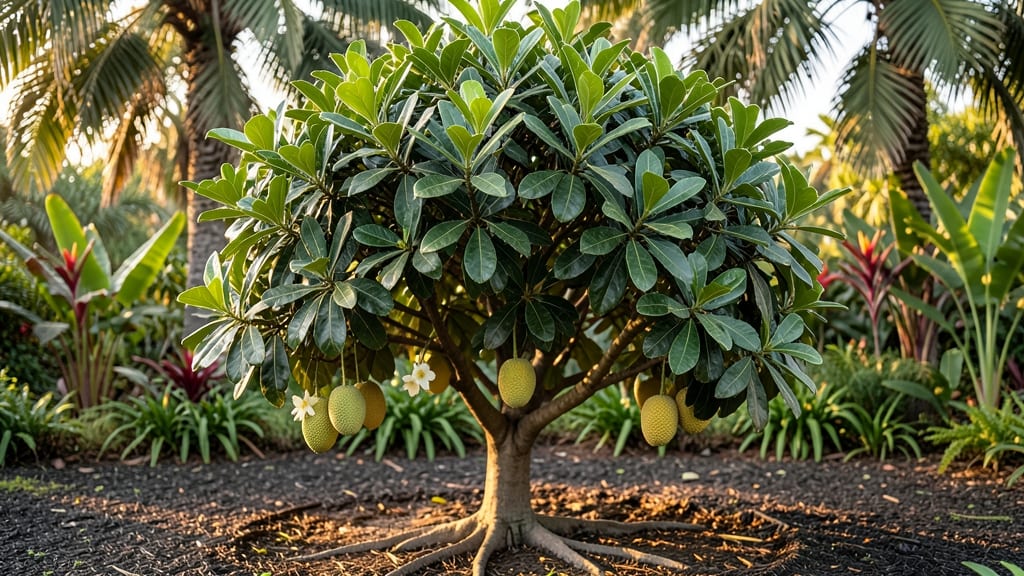
Growing a custard apple tree from seed to fruit takes 3 to 5 years—longer than most backyard fruit trees, but the creamy, tropical flavor makes it worth the wait.
Picture this: you plant a seed in spring, and by year three, you’re finally eyeing those first blush-colored fruits. But here’s the catch—climate and care can shave off months (or add years) to that timeline.
In frost-free zones like Florida or Hawaii, your tree might surprise you with fruit by year two, while cooler microclimates could stretch it to five.
That’s why soil, sunlight, and watering matter just as much as the calendar. A well-draining, slightly acidic mix (think pH 5.5-6.5) paired with full sun to partial shade keeps roots happy and growth steady.
Skip the guesswork—I’ll walk you through the exact conditions that turn a seedling into a fruiting tree faster, plus how to tell when your tree is ready to reward you with harvest.
Ready to dive in? Below, I break down the year-by-year growth stages, the fastest way to fruit (hint: it’s not from seed), and the one pruning trick that cuts years off your wait time.


Custard apple growth timeline: seed to first fruit stages explained
Growing a custard apple tree from seed to fruiting is a rewarding but patient journey that spans 3 to 5 years under ideal conditions. Unlike fast-growing annuals, this tropical fruit tree follows a deliberate growth cycle shaped by its natural habitat and care practices.
Understanding each stage helps you set realistic expectations and provide the right conditions for success.
From the moment you plant a seed, your custard apple tree will progress through four distinct growth phases: germination (1-3 months), sapling development (1-2 years), flowering (2-3 years), and first fruiting (3-5 years).
Each phase demands specific care, and skipping steps can delay—or even prevent—fruit production. Let’s break down what to expect at each milestone.
The germination stage is where your custard apple’s journey begins. Seeds typically sprout within 4-8 weeks when kept in warm, moist conditions. I’ve found that maintaining a soil temperature of 70-85°F accelerates germination. During this time, the seedling’s primary focus is root development, so avoid disturbing it while it establishes.
Once the seedling emerges, the sapling phase (1-2 years) marks rapid vertical growth. Your tree will shoot up 2-4 feet annually if given full sun and well-draining soil. This is also when you’ll need to train the trunk by pruning lower branches to prevent a weak structure.
I recommend staking young trees in windy areas to avoid damage.
By year two, your custard apple enters the flowering stage (2-3 years), where those iconic white or pink blossoms appear. This phase is exciting but fragile—flowers are easily damaged by cold snaps or heavy rain.
If you’re in a cooler climate, consider growing your tree in a container so you can move it indoors during frost warnings.
The final stage, first fruiting (3-5 years), is where patience pays off. Your tree will produce small, green custard apples that ripen to yellow or purple. The first fruits may be irregular in shape, but don’t be discouraged—consistent care will improve quality over time.
I’ve seen trees bear 50-100 fruits in their fifth year under optimal conditions.
Environmental factors like climate, soil quality, and sunlight exposure can significantly alter this timeline. For example, custard apples grown in USDA Zones 10-12 fruit faster than those in cooler zones.
Meanwhile, poor soil drainage or nutrient deficiencies can stall growth entirely. Always prioritize well-draining, slightly acidic soil (pH 5.5-6.5) to keep your tree on track.
Remember, every custard apple tree has its own personality. While the average timeline is 3-5 years, some trees fruit as early as 2 years with ideal care, while others may take 6+ years in less-than-perfect conditions.
The key is to stay patient and attentive—your efforts will be rewarded with those delicious, creamy fruits.
🌱
5 Key factors that speed up or delay custard apple growth
Growing a custard apple tree from seed to fruit-bearing stage isn’t a quick process—it typically takes 3 to 5 years, but these timelines can shift dramatically based on your growing conditions.
As someone who’s nurtured custard apple trees in tropical and subtropical zones, I’ve seen how small adjustments in care can either accelerate fruiting or leave you waiting years longer than necessary. The right climate, soil, sunlight, watering routine, and pruning can cut that wait time by nearly 50%.
Let’s break down the five critical factors that determine how fast your custard apple tree matures. Whether you’re planting in a backyard garden or a container setup, understanding these variables will help you optimize growth and enjoy those creamy fruits sooner.
From well-draining, acidic soil to strategic pruning, every detail matters when you’re racing against time to harvest.
- 1 Climate Zone: Thrives in USDA Zones 10-12 (tropical/subtropical). Cooler zones delay growth by 1-2 years—consider container growing for mobility.
- 2 Soil Quality: Needs well-draining, slightly acidic soil (pH 5.5-6.5). Compact or alkaline soil slows root development by 30-40%—amend with compost and peat moss.
- 3 Sunlight Exposure: Requires 6+ hours of full sun daily. Partial shade in hot climates reduces fruiting by 20%—place in south-facing locations for maximum energy.
- 4 Watering Routine: Deep watering every 3-5 days (10-15 gallons per tree). Overwatering causes root rot, while underwatering stunts growth—monitor soil moisture with your finger before watering.
- 5 Pruning Techniques: Prune dead or crossing branches annually in late winter. Heavy pruning in early growth stages can delay fruiting by 6-12 months—focus on shaping, not size reduction.
One of the biggest misconceptions I hear from new growers is that custard apple trees are low-maintenance. In reality, they’re sensitive to neglect—especially when it comes to soil pH and sunlight.
For example, I once had a tree in a container garden that took 4 years to fruit because it was placed in partial shade. Moving it to full sun the following spring had it flowering within 8 months—proof that small tweaks make a huge difference.
If you’re growing in a cooler climate, like Zone 9b, consider using black plastic mulch to warm the soil and extend the growing season. This can shave off 6-12 months from the fruiting timeline by mimicking tropical conditions.
Pair this with a balanced fertilizer (10-10-10) applied every 4-6 weeks during the growing season, and you’ll see faster leaf and root development.
Another pro tip: Grafted custard apple trees (which we’ll cover in the next section) can fruit in as little as 1.5-3 years compared to 3-5 years for seed-grown trees. But even with grafted trees, pruning and sunlight remain critical.
I’ve seen grafted trees in backyard gardens fail to fruit because the homeowner pruned too aggressively in the first year, stressing the tree.
Remember, the goal isn’t just to grow a custard apple tree—it’s to grow a fruit-bearing tree. By focusing on these five key factors, you’ll maximize your chances of enjoying those creamy, sweet fruits in the shortest time possible.
Start with the right soil and sunlight, then fine-tune with watering and pruning, and you’ll be harvesting in no time. 🌿