
Planting
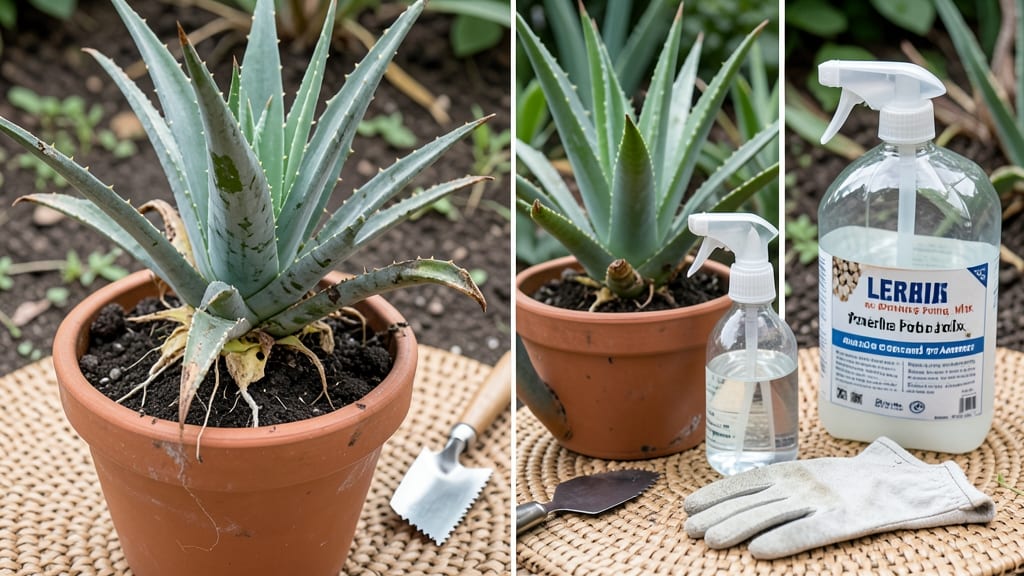
How to save a dying aloe vera plant with sad, limp leaves is easier than you think—it just needs a little TLC and the right fix. 🌱 I've nursed back more than a dozen of these plants from the brink, and the secret lies in understanding what's really wrong beneath the soil. The good news? Most "dying" aloe plants just need a fresh start, not a funeral. First, we diagnose: is it soggy roots from overwatering, pests hiding in the crevices, or just plain thirst? The fix depends entirely on the problem, but the process is shockingly simple—no green thumb required. You'll be snipping off dead leaves and repotting within 30 minutes, with results visible in just a few weeks. By the end, your plant will be standing tall again, its thick, plump leaves reaching for the light like nothing ever happened. The key is acting fast and giving it exactly what it needs—no more, no less. This isn't rocket science; it's plant CPR. Works for any aloe variety, whether it's your first plant or your tenth. Let's get that root system back in shape!
Root Causes of Aloe Decline
When your aloe vera plant starts wilting, turning yellow, or dropping leaves, it’s often a cry for help from its roots—the unsung heroes of its survival. Understanding why these problems occur is the first step to revival.
Let’s break down the science behind the most common culprits, so you can diagnose (and fix!) your plant’s distress.
Aloe vera is a succulent, meaning it’s adapted to store water in its thick leaves—not its roots. When overwatered, the roots suffocate, leading to:
- Root rot: Fungal or bacterial infections (like Phytophthora) thrive in soggy soil, cutting off oxygen and nutrients.
- Yellowing leaves: Excess moisture forces the plant to dump chlorophyll, turning leaves mushy and yellow.
- Soft, black stems: A classic sign of rot spreading from the roots upward.
💡 Pro Tip: Stick your finger 2 inches into the soil—if it’s damp, wait before watering. Aloes need water only every 2–3 weeks (or when the soil is bone-dry).
While overwatering is the #1 killer, chronic underwatering can also weaken aloe vera by:
- Shriveled leaves: The plant loses turgor pressure as it conserves moisture, causing leaves to pucker or curl.
- Brown, crispy tips: Leaf edges dry out when roots can’t absorb enough water.
- Stunted growth: Without consistent hydration, the plant diverts energy to survival, halting new leaf production.
🌡️ Science Note: Aloes trigger ethylene gas (a stress hormone) when thirsty, which accelerates leaf death. Don’t let the soil go completely dry—aim for "thirsty but not dead" soil.
Aloe vera roots hate sitting in waterlogged soil. Poor drainage traps moisture, leading to:
- Compacted roots: Dense or clay-heavy soil prevents oxygen flow, causing roots to suffocate.
- Salt buildup: Over time, minerals accumulate in stagnant water, burning roots.
- Fungal blooms: White, fuzzy mold on soil or roots signals powdery mildew or root rot.
| ✅ Good Drainage | ❌ Poor Drainage |
|---|---|
| 60% cactus/succulent mix + 40% perlite/pumice | Heavy garden soil or repurposed potting mix |
| Pot with drainage holes | Decorative cachepot without holes |
| Water only when top 2" of soil is dry | Watering on a schedule (e.g., weekly) |
🔥 Fix It: Repot in a terracotta or ceramic pot with fresh, gritty mix. Add a layer of charcoal to the bottom to absorb toxins.
Aloe vera is a sun-worshipper, but extreme conditions can shock its system:
- Cold damage: Below 50°F (10°C) triggers leaf blackening or mushy spots as cells rupture.
- Heat stress: Direct midday sun (above 90°F/32°C) can scorch leaves, turning them translucent or white.
- Drafts/AC vents: Sudden temperature swings disrupt root enzyme activity, slowing nutrient uptake.
🎯 Ideal Conditions:
- 60–80°F (15–27°C) daytime temps.
- Bright, indirect light (east or west windows).
- Avoid glass windows in winter (cold drafts).
✨ Quick Fix: Move your aloe to a stable spot with bright, filtered light. If leaves are sunburned, trim the damaged parts with sterile scissors.
Hidden pests like mealybugs, scale insects, or spider mites drain sap from roots and leaves, causing:
- Sticky residue (honeydew): A sign of sap-sucking pests, which attract sooty mold.
- Wilting despite watering: Roots weakened by pests can’t absorb nutrients.
- White webbing: Spider mites spin silk between leaves and soil.
🔪 Inspect: Gently remove your aloe from its pot and rinse roots under lukewarm water. Quarantine infested plants to stop spread.
Quick Fixes for Struggling Aloe
Reviving a dying aloe vera plant starts with pinpointing the root cause—but once you’ve identified the issue, action is key! Below are practical, step-by-step solutions tailored to common problems, plus pro tips to keep your aloe thriving long-term.
Think of this as your plant’s emergency room visit, followed by a wellness checkup.
Signs: Yellowing leaves, mushy stems, or a foul odor from the soil.
How to Fix It
- 🚰 Stop Watering Immediately
- Let the soil dry out completely before watering again. Stick your finger 2 inches into the soil—if it’s damp, wait.
- 🌱 Repot in Fresh, Dry Soil
- Remove the plant from its pot and inspect the roots. Trim any black, mushy roots with sterilized scissors (dip in rubbing alcohol).
- Repot in a cactus/succulent mix with perlite or sand for drainage. Choose a pot with drainage holes—no exceptions!
- 🌞 Boost Airflow & Light
- Move the plant to a bright, indirect spot (east or west window). Avoid dark corners where moisture lingers.
💡 Prevention Tips
- Water only every 3–4 weeks in winter, and every 2 weeks in summer.
- Use the "finger test" before watering—if the soil feels dry, it’s time.
- Never let it sit in saucers of water—empty saucers after watering.
Signs: Shriveled, wrinkled leaves, dry brown tips, or a stiff, brittle appearance.
How to Fix It
- 💦 Hydrate Deeply (But Not Too Much)
- Water slowly and thoroughly until it drains from the bottom. Discard excess water in the saucer.
- 🌿 Trim Damaged Leaves
- Snip off dry, crispy leaves at the base with clean scissors. Healthy leaves will regrow from the center.
- 🌡️ Adjust Your Watering Schedule
- Aloe stores water in its leaves, so overwatering is riskier than underwatering. Aim for once every 2–3 weeks in summer, once a month in winter.
💡 Prevention Tips
- Group aloes with other succulents to create a microclimate with higher humidity.
- Mist lightly (occasionally) in dry climates, but avoid soggy soil.
- Use room-temperature water—cold water can shock the roots.
Signs: Sunburnt white patches, purple tinges, or leaves curling inward.
How to Fix It
- 🌤️ Shield from Harsh Sun
- If leaves have white, crispy patches, move the plant to bright, indirect light (e.g., sheer curtain filter).
- South-facing windows? Rotate the pot weekly so all sides get even light.
- ❄️ Protect from Drafts & Cold
- Keep aloe above 50°F (10°C). Avoid placing it near AC vents, doors, or windows in winter.
- If temps drop below 40°F (4°C), bring it indoors.
- 🌱 Give It Time to Recover
- New growth should appear within 4–6 weeks if conditions improve.
💡 Prevention Tips
- Acclimate gradually if moving from indoors to outdoors (or vice versa).
- Avoid fluorescent lighting—aloe needs full-spectrum light for photosynthesis.
- Use a heat mat in winter if your home is drafty (but keep soil dry!).
Signs: Sticky residue, tiny bugs (mealybugs, scale), or white webbing.
How to Fix It
- 🔍 Identify the Culprit
- Mealybugs/scale? Look for cottony white clusters or brown bumps.
- Spider mites? Check for fine webbing on leaves.
- 🧼 Clean & Treat
- Isolate the plant to prevent spreading.
- Wipe leaves with a soapy water solution (1 tsp mild soap per quart of water).
- Spray neem oil (1 tsp neem oil + 1 quart water) every 5–7 days for 2 weeks.
- Severe infestations? Prune heavily affected leaves and repot in sterilized soil.
- 🌿 Strengthen Its Immunity
- Well-draining soil + bright light = fewer pest problems.
- Avoid over-fertilizing—too much nitrogen attracts pests.
💡 Prevention Tips
- Inspect new plants before bringing them home.
- Quarantine new plants for 2 weeks before introducing them to your collection.
- Encourage beneficial insects (like ladybugs) if you have an outdoor aloe.
Signs: Black, smelly roots; wilting despite dry soil; plant toppling over.
How to Fix It
- 🔪 Emergency Root Rescue
- Remove the plant from the pot and rinse roots gently with water to dislodge soil.
- Trim all black/mushy roots with sterilized scissors. Healthy roots are firm and white/tan.
- 🌿 Repot in Sterile Soil
- Use a new pot (sterilize with bleach if reusing).
- Fill with cactus mix + perlite (50/50 ratio).
- Let the roots dry for 2–3 days before watering lightly.
- 🌞 Give It a Recovery Period
- Place in bright, indirect light and avoid watering for 1 week.
- New growth should start in 3–6 weeks.
💡 Prevention Tips
- Repot every 2–3 years or when roots circle the pot.
- Avoid over-potting—aloe prefers being slightly root-bound.
- Use terracotta pots—they wick away moisture better than plastic.
🎯 Final Pro Tip: If your aloe is beyond saving, don’t toss it!
Propagate the healthy leaves or offsets to grow new plants. Cut a leaf at the base, let it callus for 2 days, then place in dry soil—new aloes will sprout in 4–6 weeks! 🌱✨
Frequently asked questions
My aloe vera leaves are turning brown and crispy—is it too late to save it?
Not necessarily! Brown, crispy tips usually mean underwatering or low humidity. Trim the damaged parts with clean scissors, then give it a thorough watering (until it drains from the bottom). Move it to a spot with bright, indirect light and group it with other succulents to raise humidity slightly. New growth should appear within 4-6 weeks.
How often should I water my aloe vera after reviving it?
Once recovered, water your aloe vera every 2-3 weeks in summer and once a month in winter. Always check the soil first—stick your finger 2 inches deep. If it feels dry, water thoroughly; if damp, wait longer. Overwatering is the #1 cause of aloe decline, so err on the side of underwatering.
Can I save an aloe vera with black, mushy roots?
Yes, but you'll need to do an emergency root rescue! Gently remove the plant, rinse the roots, and trim away all black/mushy sections with sterilized scissors. Repot in fresh cactus mix + perlite and let it dry for 2-3 days before giving it a light watering. Place it in bright, indirect light and avoid watering for 1 week to prevent reinfection.
Why does my aloe vera keep leaning toward the light?
This is called etiolation, and it happens when your aloe isn't getting enough light. Rotate the pot quarter-turns every week so all sides get even exposure. Move it to a south- or west-facing window (or use a grow light for 12-14 hours/day). Avoid fluorescent bulbs—they don't provide the full spectrum aloe needs for photosynthesis.
What's the best way to propagate a dying aloe vera?
Even a struggling aloe can create new life! Snip off healthy leaves at the base, let them callus for 2 days, then place them in dry, well-draining soil. Keep the soil barely moist and place in bright, indirect light. Roots will form in 3-4 weeks, and new pups will sprout in 4-6 weeks. This works even if the parent plant is beyond saving.