
Planting
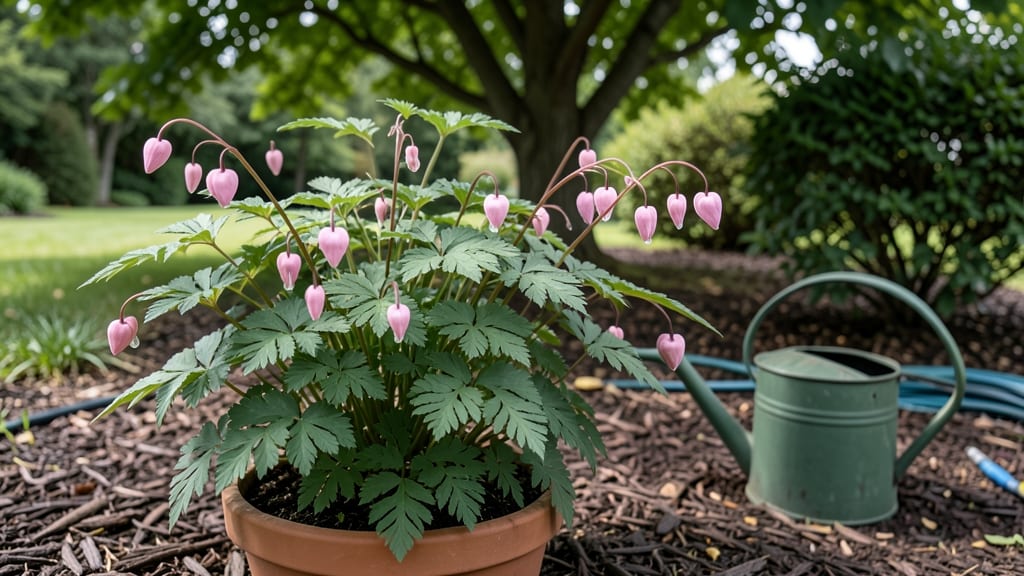
How to take care of a bleeding heart plant (Dicentra spectabilis) means waking up to heart-shaped blooms that feel like secret messages from spring. 💚 The key isn’t fussing—it’s matching its natural rhythms: moist but well-drained soil, dappled shade, and patience while it establishes. Most gardeners overwater or prune too late, but I’ve found the sweet spot after years of trial and error with my own plants.
These plants thrive in partial shade—think morning sun and afternoon shade—where roots stay cool but leaves get enough light to photosynthesize.
Your soil mix should be rich in organic matter (think compost or leaf mold) but never soggy; a simple test is pressing your finger an inch deep—if it feels damp but not wet, you’re golden. Mulch helps retain moisture and keeps roots from overheating in summer.
By late summer, when the foliage turns yellow, you’ll know it’s time for a light cleanup—snip back the old leaves but leave the base. This isn’t harsh pruning; it’s just clearing space for next year’s growth.
With this approach, my plants bounce back stronger every spring, producing those iconic pink or white heart-shaped flowers that last for weeks.
Whether you’re growing them in a shady garden bed or a container on your patio, bleeding hearts reward consistency over intensity. They’re low-maintenance once established, and their delicate blooms bring a touch of whimsy to any space. Let’s get yours thriving!
📚 In This Guide
- What you need
- Instructions
- Tips and common mistakes
- Wrapping up and next steps
What you need
- ● Bleeding Heart Plant: 1 mature plant (or seeds for propagation). Choose a healthy specimen with vibrant foliage and buds.
- ● Well-Draining Soil: 2–3 bags (1–2 cubic feet each) of a mix of peat moss, perlite, and compost (ratio: 40% peat, 30% perlite, 30% compost).
- ● Garden Bed or Container: For in-ground planting: A partially shaded spot with loose, fertile soil (amend with compost if needed).
- ● For container growing: A 12–18 inch wide pot with drainage holes (terracotta or fabric pots work best).
- ● Watering Can or Hose: With a gentle spray nozzle (to avoid damaging delicate foliage).
- ● Organic Mulch: 1–2 bags of shredded bark or wood chips (2–3 inches thick) to retain moisture and suppress weeds.
- ● Pruning Shears: Sharp, sterilized shears (or small scissors) for minimal trimming.
- ○ Fertilizer (Optional but Helpful): Balanced 10-10-10 fertilizer (1–2 tbsp per plant) or
- ● Slow-release rose/flower fertilizer (follow package instructions).
- ● 🌡️ Soil pH Check: Aim for 6.0–7.0 (test with a soil kit if unsure). Bleeding Hearts prefer slightly acidic to neutral soil.
- ● ✨ Container Drainage: Add a 1-inch layer of gravel or pebbles at the pot’s bottom to prevent root rot.
- ● 🔥 Early Prep: If planting in spring, prep the soil 2–3 weeks ahead to allow it to settle.
Step-by-step instructions for year-round bleeding heart care
Bleeding hearts need just a few key adjustments to thrive beautifully without constant fuss.
🌿 Step 1: Position for Perfect Light and Shelter
Place your bleeding heart where it gets dappled shade—think 3-6 hours of morning sun followed by afternoon shade. Too much direct sun scorches the delicate foliage, while too little shade makes the stems stretch weakly. I always check the plant's location by observing how sunlight moves across it throughout the day.
For container plants, rotate them quarter-turn weekly so all sides get even light exposure. You'll notice new growth leaning toward the light—this is your cue to adjust placement. In hot climates, afternoon shade from a nearby tree or lattice works perfectly. Mulch the base with 2-3 inches of organic mulch to protect roots from temperature swings.
💧 Step 2: Water Deeply and Consistently
Water your bleeding heart when the top 1-2 inches of soil feel dry to the touch. These plants hate soggy roots but also despise dry spells—1-1.5 inches of water weekly is ideal, more in extreme heat. I use a rain gauge or my finger to check moisture depth before watering.
Water at the base of the plant in the morning to reduce evaporation. Avoid wetting the leaves to prevent fungal issues. You'll know you're doing it right when the soil stays evenly moist but never waterlogged. During winter dormancy, reduce watering to every 2-3 weeks unless your area gets heavy frost.
✂️ Step 3: Prune Strategically After Flowering
The secret to minimal pruning is timing—wait until after the flowering season (typically late spring to early summer) to cut back. Use clean, sharp pruners to remove dead or damaged stems at the base. I never cut healthy stems unless they're crossing or rubbing against each other.
For container plants, you can trim back one-third of the foliage after flowering to encourage bushier regrowth. This isn't necessary but helps maintain shape. Never prune in fall—it removes the plant's energy stores before winter dormancy. You'll see fresh, vibrant growth within 3-4 weeks of proper pruning.
🪴 Step 4: Feed and Divide as Needed
Apply a balanced, slow-release fertilizer (10-10-10) in early spring before new growth appears. I use about 1 tablespoon per square foot of planting area. Over-fertilizing causes weak stems and fewer flowers—bleeding hearts prefer a light touch. Water thoroughly after applying to prevent root burn.
Divide mature plants every 3-4 years in early spring when new shoots appear. Dig up the plant, separate the crowns, and replant immediately. This rejuvenates the plant and prevents overcrowding. You'll know it's time when the center of the plant looks bare or flowers become sparse.
⏰ Step 5: Prepare for Winter Dormancy
In fall, reduce watering gradually and stop fertilizing completely. Bleeding hearts go dormant in winter, so cut back dead foliage in late fall or early spring—never mid-winter. I leave the old leaves as natural mulch to protect the crown through cold snaps.
For container plants, move them to a sheltered location or wrap the pots in burlap if temperatures drop below 20°F. In ground plants need 3-4 inches of mulch around the base. You'll see fresh shoots emerge in early spring as temperatures rise above 40°F consistently.
Tips & tricks for perfect bleeding heart plant care
Between us, these delicate beauties are easier to care for than you think—once you know the little tricks that make all the difference.
The Light Factor: That 3-6 hours of morning sun is non-negotiable, but here's what nobody tells you—watch for leaf scorch on hot days. If you notice crispy edges after just a few hours, it's time to move your plant closer to that afternoon shade. I've learned the hard way that afternoon sun in summer can turn those pretty leaves into sad, brown patches in a single day.
Watering Wisdom: The 1-1.5 inches weekly is just a starting point. In my experience, container plants dry out faster than in-ground ones—check the soil daily during heatwaves. And here's a pro move: water deeply until you see it running out the drainage holes. This ensures those roots get properly hydrated all the way through, not just the top layer.
Pruning Precision: When you're cutting back that one-third of foliage after flowering, focus on the oldest stems first. They're the ones that have already given you their best blooms. I always make my cuts at a 45-degree angle just above a leaf node—this encourages new growth right where you want it, not lower down where it might get leggy.
Winter Protection: That 20°F threshold is crucial for container plants. I've seen burlap do wonders, but for extra insurance, I add a layer of bubble wrap around the pot before the burlap. It's like giving your plant a cozy winter jacket. And remember, those 3-4 inches of mulch aren't just for looks—they're insulating those roots from temperature swings that can wake the plant too early.
Pro Tips for Take Care Of Bleeding Heart Plant
- Between us, these delicate beauties are easier to care for than you think—once you know the little tricks that make all the difference.
- The Light Factor: That 3-6 hours of morning sun is non-negotiable, but here's what nobody tells you—watch for leaf scorch on hot days.
- Watering Wisdom: The 1-1.5 inches weekly is just a starting point.
Frequently asked questions
Got questions about keeping your Bleeding Heart (Lamprocapnos spectabilis) thriving? Here are some common ones—plus quick, actionable answers to keep your plant happy and healthy!
How often should I water my Bleeding Heart plant?
Water your Bleeding Heart regularly—about 1-2 times per week, depending on your soil and climate. Keep the soil evenly moist but not soggy; it thrives in humidity but hates waterlogged roots. Well-draining soil is key to preventing root rot. In summer, you may need to water more frequently.
Can Bleeding Heart plants survive winter?
Yes! These plants are hardy in USDA zones 3-9 and tolerate cold temperatures. In colder climates, mulch the base with 2-3 inches of organic matter (like shredded leaves or straw) to protect roots. If you live in a warm winter zone, they’ll still benefit from partial shade and consistent moisture.
Do I need to prune my Bleeding Heart plant?
Minimal pruning is needed! Deadhead spent blooms to encourage more flowers, and cut back faded foliage in late summer or early fall. Avoid heavy pruning—this plant naturally dies back after blooming and regrows from the ground in spring. Just remove old growth to keep it tidy.
Why are my Bleeding Heart leaves turning yellow?
Yellow leaves usually signal overwatering or poor drainage. Let the top inch of soil dry out between waterings, and ensure your pot has drainage holes. If the issue persists, check for pests (like aphids) or nutrient deficiencies—a balanced fertilizer in early spring can help revive it.
Can I grow Bleeding Heart in containers?
Use a large container (at least 12 inches deep) with well-draining potting mix and place it in partial shade. Container-grown plants may need more frequent watering and winter protection (like moving them indoors or wrapping pots in burlap). Just ensure they get consistent moisture and good airflow.
Wrapping up and next steps
Caring for your bleeding heart plant is all about balance—giving it the right mix of shade, moisture, and occasional attention will reward you with stunning, heart-shaped blooms year after year! 💖 With minimal pruning needs and a forgiving nature, this beauty thrives with patience and love.
Now that you’re armed with the essentials, go ahead and give your plant the care it deserves—and enjoy watching it flourish like never before.
Ready to take the next step? Consider expanding your garden with more shade-loving plants or sharing your newfound knowledge with fellow plant enthusiasts!