
Planting
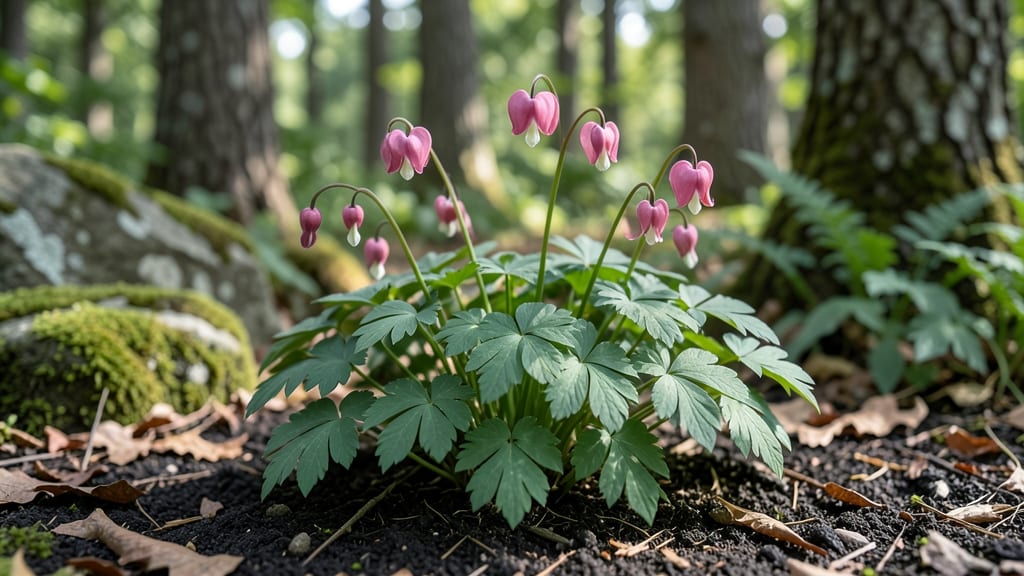
That cascading purple fountain of heart-shaped blooms is the purple bleeding heart plant, and it’s about to transform your shady garden corner into a romantic, low-maintenance showstopper. 💜 I’ve grown mine for five years, and it thrives where nothing else will—dappled shade, moist soil, and zero fuss.
The secret lies in its arching stems and velvety purple foliage, which make it a standout even when not in bloom.
Planting is straightforward: dig a hole twice as wide as the root ball, mix in compost for moisture retention, and place it where it gets morning sun and afternoon shade.
Spacing 18-24 inches apart ensures those graceful stems don’t crowd each other, and companion plants like ferns or hostas let it steal the show without competition. The blooms arrive reliably in early to mid-spring, lasting weeks if you deadhead spent flowers.
Care is minimal but critical—water deeply once a week (more in drought), mulch to protect roots, and skip heavy pruning unless you want to encourage bushier growth. It’s hardy in zones 3-9, so winter survival is rarely an issue.
The real magic happens when it reblooms lightly in fall, proving how little this plant needs to shine. Common challenges? Slugs love the tender new growth, but a beer trap or diatomaceous earth keeps them away.
Powdery mildew can appear in humid summers, but pruning for airflow and fungicide spray fixes it fast. Trust me—once you plant one, you’ll want three.
📚 In This Guide
- What you need
- Instructions
- Tips and common mistakes
- Wrapping up and next steps
What you need
- ● Purple bleeding heart plant (Dicentra spectabilis): 1 nursery-grown plant (for fastest results) or
- ● Seeds (if starting from scratch—germination can be tricky!)
- ● Well-draining potting mix or garden soil: 1 bag (50 lbs) of organic-rich, slightly acidic soil (pH 6.0–7.0)
- ○ Optional: Mix in 1 part perlite or compost for better drainage.
- ● Planting container or garden bed: For containers: 1–2 gallon pots with drainage holes (minimum 12" depth).
- ● For garden beds: A partially shaded spot with moist, humus-rich soil.
- ● Gloves (1 pair—gardening gloves to protect your hands).
- ● Trowel or hand shovel (1 medium-sized, for digging).
- ● Watering can or hose with gentle spray nozzle (for even moisture).
- ● Mulch (2–3 inches of shredded bark or organic mulch to retain moisture).
- ○ Optional but helpful: Pruning shears (for shaping after flowering).
- ● Soil pH tester (to ensure ideal conditions).
- ● Fertilizer (balanced 10-10-10 or organic compost tea, applied sparingly).
- ● 📅 Best planting time: Early spring or fall (avoid extreme heat).
- ● 🌤️ Light requirements: Partial shade (3–6 hours of dappled sunlight daily).
- ● 💧 Watering needs: Keep soil consistently moist but not soggy (especially during the first year).
- ● 🚫 Avoid: Full sun or dry, compacted soil (this plant loves shade and moisture!).
Step-by-Step guide to growing a thriving purple bleeding heart plant
Here's how to cultivate this elegant shade lover with minimal fuss—just follow these simple steps.
🌱 Step 1: Choose the Perfect Planting Spot
Purple bleeding heart (Dicentra spectabilis) thrives in partial to full shade, where it receives 3-6 hours of morning sun at most. I always plant mine where dappled sunlight filters through trees—this prevents the foliage from scorching while still encouraging blooms. Avoid deep shade spots where the plant may struggle to establish.
Check your site's moisture level before planting. Bleeding heart prefers consistently moist, well-draining soil with a pH between 6.0 and 7.0. If your soil drains poorly, amend it with 2-3 inches of compost mixed into the top 12 inches of soil. Dig a hole twice as wide as the root ball but only as deep—planting too deeply suffocates the roots.
🪴 Step 2: Plant with Care for Long-Term Health
Gently remove the plant from its container and loosen any circling roots with your fingers. Place it in the hole so the top of the root ball sits even with the surrounding soil level—never deeper. The crown (where stems meet roots) should never be buried, as this causes rot.
Backfill the hole with native soil, pressing lightly to eliminate air pockets. Water deeply right after planting to settle the soil and encourage root contact. I like to add a 1-inch layer of mulch (like shredded bark) around the base, keeping it 3 inches away from the stem to prevent moisture buildup that attracts slugs. Mulch helps retain soil moisture and regulates temperature—critical for this finicky plant.
☀️ Step 3: Water and Feed for Vibrant Blooms
Keep the soil evenly moist but never soggy for the first 4-6 weeks after planting. Purple bleeding heart won’t tolerate drought, so water 1-2 times per week (more in hot, dry spells) until the plant is established. You’ll know it’s happy when the leaves stay deep green and slightly waxy—wilting or yellowing means it’s thirsty.
In early spring, before new growth appears, apply a balanced, slow-release fertilizer (like 10-10-10) at half the recommended rate. Over-fertilizing encourages leafy growth at the expense of flowers. I skip fertilizer after mid-summer, as the plant enters dormancy. Too much nitrogen late in the season weakens next year’s blooms.
✂️ Step 4: Prune Strategically for Next Year’s Blooms
Bleeding heart’s unique heart-shaped flowers grow on old wood, so never prune stems until after they’ve finished blooming (usually by late spring). Once the foliage turns yellow and dies back naturally, cut the stems down to the ground with clean, sharp shears. This removes spent growth and redirects energy to next year’s blooms.
I also remove any dead or diseased leaves throughout the growing season to improve airflow. If you notice blackened or mushy stems, prune those immediately and dispose of them in the trash (not compost)—this prevents fungal spread. Avoid heavy pruning in summer, as it stresses the plant before dormancy.
⏰ Step 5: Prepare for Winter Dormancy
In fall, reduce watering as temperatures drop, but don’t let the soil dry out completely. Purple bleeding heart enters dormancy naturally, so no special winter protection is needed in most climates (Zones 3-9). In colder regions (below Zone 3), add a 3-inch layer of mulch around the base for insulation.
Come spring, you’ll spot new growth emerging from the base in early March. This is your cue to gradually resume watering and remove old mulch. The plant’s delicate blooms appear on pink or purple stems in late spring—no deadheading is needed, as the flowers fade naturally and add winter interest to the garden.
Tips & tricks for perfect purple bleeding heart plant care
These simple tricks will help you grow a thriving purple bleeding heart that blooms beautifully year after year.
Location is Everything: When selecting your planting spot in Step 1, pay attention to the quality of shade. East-facing spots with morning sun and afternoon shade work best—they provide just enough light for blooms without scorching the delicate foliage. I've noticed that north-facing spots might produce fewer flowers, so if you only have that option, consider adding a sheer fabric shade cloth during peak summer sun to mimic dappled light conditions.
Soil Prep Matters: Before amending your soil in Step 1, test its moisture retention by digging a small hole and filling it with water. If it drains within 10 minutes, your soil is too sandy. The 2-3 inches of compost we're adding should be well-aged and free of large chunks—this prevents compaction around the roots. I've found that mixing in a handful of perlite with the compost helps improve drainage even further for plants that hate soggy roots.
Watering Wisdom: During the critical 4-6 week establishment period in Step 3, I've learned to check soil moisture by sticking my finger about 2 inches deep. If it feels dry at that depth, it's time to water. Early morning is the best time to water—this gives the soil time to absorb moisture before the heat of the day. Avoid overhead watering which can encourage fungal diseases; instead, use a soaker hose or water at the base of the plant.
Pruning Precision: When you're ready to cut back the stems in Step 4, use clean, sharp shears to make clean cuts just above the soil line. I've seen many gardeners leave stubs, but these can harbor pests and diseases. The clean cut also makes it easier to spot new growth in spring. For plants that look particularly healthy, you can leave a few stems uncut to add winter interest to your garden.
Pro Tips for Purple Bleeding Heart Plant
- These simple tricks will help you grow a thriving purple bleeding heart that blooms beautifully year after year.
- Location is Everything: When selecting your planting spot in Step 1, pay attention to the quality of shade.
- Soil Prep Matters: Before amending your soil in Step 1, test its moisture retention by digging a small hole and filling it with water.
Frequently asked questions
Got questions about your purple bleeding heart plant? You’re not alone! Here are some of the most common concerns—plus quick, expert-friendly answers to keep your shade-loving beauty thriving.
Why is my bleeding heart plant drooping?
Drooping can signal underwatering or overwatering. Check the soil—it should stay moist but not soggy. If roots feel mushy, repot in well-draining soil. Too dry? Water deeply until it drains from the bottom. Mulch helps retain moisture without drowning roots.
When should I prune my purple bleeding heart?
Prune right after flowering (late spring/early summer) to encourage bushier growth. Deadhead spent blooms to redirect energy. Avoid heavy pruning in fall—it can stress the plant before winter. Pro tip: Use clean, sharp shears to prevent disease.
Can bleeding heart survive winter outdoors?
Yes! These plants are hardy to USDA zones 3-9. In colder zones, mulch heavily with 3–4 inches of organic matter (like shredded leaves) to protect roots. If your area dips below 10°F (-12°C), consider a lightweight frost blanket for extra insulation.
What’s a good alternative if my bleeding heart struggles in my garden?
Try Japanese anemone (Anemone hupehensis) for similar shade tolerance and late-season blooms, or foxglove (Digitalis) for dramatic spikes. Both thrive in moist soil and add vertical interest. Bonus: Foxglove attracts pollinators!
How do I prevent pests like slugs or aphids?
Slugs? Set out beer traps (bury a shallow dish of beer) or use copper tape around pots. Aphids? Spray with soapy water (1 tsp mild soap + 1 quart water) or introduce ladybugs. Keep foliage dry to deter fungal issues too!
Still stumped? Drop your question in the comments—we’re happy to help your bleeding heart bloom like a pro!
Wrapping up and next steps
The purple bleeding heart plant is a dream for shade-loving gardeners—elegant, low-maintenance, and bursting with color! 🌿 With just a little care, this beauty thrives in partial shade, blooms prolifically, and even rewards you with graceful foliage.
Whether you’re a seasoned gardener or just starting out, adding this plant to your space is a no-fuss way to elevate your garden’s charm.
Ready to grow yours? Start by picking a spot with dappled shade and well-draining soil, then follow the simple steps above. Before you know it, your garden will be a showstopper—and you’ll be the proud caretaker of one of nature’s most stunning blooms! 🌸