
Planting
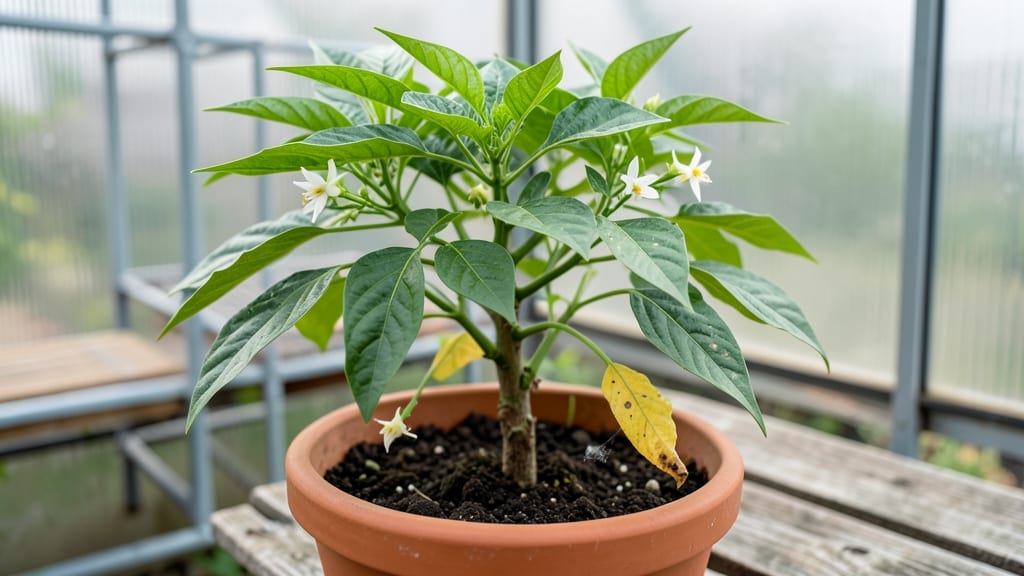
Identifying chilli plants by their leaves saves you from mistaking them for weeds or other peppers. 🌿 The key is in the shape—most chilli leaves are oval with serrated edges, but some varieties have smooth or slightly wavy margins.
Compare them to nearby plants: chilli leaves grow in alternating patterns along the stem, while weeds often have clustered or opposite leaf arrangements.
Color matters too—healthy chilli leaves are deep green, sometimes with a slightly waxy sheen, while stressed plants may show yellowing or purple tinges. Check the veins: chilli leaves have prominent, curved veins that fan out from the center.
If the leaves smell faintly spicy when crushed, that’s a dead giveaway.
Once you spot these traits, confirm the plant’s growth habit: chillies grow upright or bushy, with flowers that eventually turn into peppers. If it’s a chilli, you’re ready to nurture it with full sun and consistent watering. If not, pull it before it competes with your real plants.
This method works for both garden beds and containers, and it’s foolproof for beginners. No more guessing—just match the leaves to the list, and you’ll know exactly what’s growing in your garden.
Root Causes of Leaf Confusion
When it comes to identifying chilli plants by their leaves, misidentification often stems from a mix of natural variations, environmental factors, and even human error. Understanding these root causes can help you sharpen your skills and avoid costly mistakes in your garden.
Let’s break down the key reasons why leaf-based identification can be tricky.
Chilli plants exhibit a wide range of leaf shapes, sizes, and textures due to their vast genetic diversity. Even within the same species, such as Capsicum annuum (which includes jalapeños, bell peppers, and cayenne), leaves can vary significantly based on:
- Cultivar differences: Some varieties, like the Carolina Reaper, have narrow, lance-shaped leaves, while others, like the Poblano, feature broader, more rounded foliage. This natural variation means a single leaf won’t always tell the full story.
- Growth stage: Seedlings often have smaller, simpler leaves that evolve into more complex shapes as the plant matures. A young chilli plant might look entirely different from a mature one, leading to confusion.
- Hybridization: Crossbreeding chilli plants can produce offspring with leaves that don’t neatly fit into traditional categories. If you’re growing heirloom or hybrid varieties, expect surprises!
Actionable tip: Always compare multiple leaves from different parts of the plant—especially mature ones—and cross-reference with other plant characteristics like flower shape or fruit color.
Leaves aren’t static; they respond dynamically to their environment. Stress from factors like temperature, light, or water can alter their appearance, making identification harder. Here’s how:
| Stress Factor | Effect on Leaves | Example |
|---|---|---|
| Extreme heat | Leaves may curl, yellow, or develop a leathery texture to conserve water. | A Habanero plant under 100°F+ might look like a heat-stressed Thai Bird’s Eye with distorted leaves. |
| Low light | Leaves grow larger, paler, and more spaced out as the plant stretches toward light. | A Jalapeño in shade could resemble a Bell Pepper due to its broader, lighter green leaves. |
| Overwatering | Leaves may yellow, develop brown edges, or appear limp and translucent. | An African Horn chilli with waterlogged roots might look diseased, masking its true identity. |
| Nutrient deficiencies | Leaves may develop spots, stunted growth, or unusual colors (e.g., purple tinges from phosphorus deficiency). | A Serrano lacking nitrogen might have small, dark green leaves resembling a Fish Pepper. |
Actionable tip: Observe the plant’s overall health and growing conditions. Healthy leaves are your best bet for accurate identification—stressed leaves can be misleading.
Even with the best intentions, people often misidentify chilli plants due to oversights or lack of context. Common pitfalls include:
- Focusing on one leaf: A single leaf might not represent the plant’s true characteristics. For example, a Ghost Pepper’s leaves can resemble those of a Cayenne if you’re only looking at a basal leaf.
- Ignoring other traits: Leaves alone aren’t enough. Always check for:
- Flower color (e.g., white vs. purple).
- Fruit shape and color when available.
- Plant height and growth habit (bushy vs. trailing).
- Mistaking weeds or pests: Sometimes, chewed leaves or fungal spots can alter a chilli plant’s appearance enough to fool even experienced growers. For instance, aphid-damaged leaves might look like those of a different species.
Actionable tip: Take photos of the entire plant—front, back, and close-ups of leaves, flowers, and fruit—before attempting identification. Compare your findings with reliable resources like ChilliSpeaker’s variety database or local gardening forums.
By recognizing these root causes, you’ll be better equipped to navigate the complexities of chilli leaf identification. Next, we’ll explore how to use these insights to accurately match leaves to the right species! 🌿🔎
Quick Fixes for Leaf Confusion
Now that you’ve identified your chilli plant by its leaves, the next step is ensuring it thrives—especially if you’ve spotted unusual signs that made identification tricky. Whether your leaves look pale, spotted, curled, or discolored, here’s how to diagnose and fix common issues while keeping your plant healthy and productive.
Cause: Lack of nitrogen, magnesium, or iron in the soil. Solution:
- 🔥 Boost Nitrogen: Use a balanced fertilizer (like 10-10-10) or compost every 4-6 weeks during the growing season.
- 🍳 Soil Test: Check pH levels—chilli plants prefer 6.0–7.0. Amend soil with lime (for acidic soil) or sulfur (for alkaline soil).
- 🌡️ Foliar Spray: Mix 1 tbsp Epsom salt in 1 gallon of water and spray leaves weekly for magnesium deficiency.
Prevention Tips: ✔ Rotate crops to avoid nutrient depletion. ✔ Mulch with organic matter (like straw) to retain moisture and nutrients. ✔ Water deeply but avoid soggy soil—root rot worsens deficiencies.
Cause: Aphids, spider mites, or fungal diseases (like bacterial spot). Solution:
- 👨🍳 Neem Oil Spray: Mix 1 tbsp neem oil + 1 tsp mild soap in 1 quart of water. Spray undersides of leaves where pests hide.
- 🔪 Prune Damaged Leaves: Snip off severely infested leaves with sterilized scissors to prevent spread.
- 🌿 Companion Planting: Interplant with basil, marigolds, or onions to repel pests naturally.
Prevention Tips: ✔ Inspect new plants before bringing them indoors. ✔ Encourage beneficial insects (like ladybugs) by planting dill or fennel nearby. ✔ Avoid overhead watering—wet leaves attract fungal spores.
Cause: Overwatering, underwatering, or extreme heat/cold. Solution:
- ⏰ Watering Schedule: Check soil moisture—water when the top 1–2 inches are dry. Use a moisture meter for accuracy.
- 🌡️ Adjust Temperature: Keep chillies in 70–85°F (21–29°C). Use shade cloth (30–50%) if temps exceed 90°F (32°C).
- 💨 Improve Airflow: Space plants 12–18 inches apart and use a small fan on low to mimic wind.
Prevention Tips: ✔ Use self-watering pots for consistency. ✔ Group plants together to create a microclimate. ✔ Avoid cold drafts (like AC vents) in indoor setups.
Cause: Humidity + poor airflow = powdery mildew or blight. Solution: - 🌿 Baking Soda Spray: Mix 1 tsp baking soda + 1 tbsp oil + 1 quart water.
Spray every 7–10 days. - 🔪 Remove Infected Foliage: Burn or discard diseased leaves outside your garden. - 🌡️ Reduce Humidity: Aim for 40–60% humidity. Use a dehumidifier or increase airflow with a fan.
Prevention Tips: ✔ Water at soil level (not overhead) to keep leaves dry. ✔ Space plants for airflow—crowding traps moisture. ✔ Disinfect pruners with rubbing alcohol between cuts.
Dedicate 5 minutes weekly to:
- Inspect all leaves (top and bottom).
- Compare to healthy reference photos (like [this guide](https://www.gardeningknowhow.com/edible/vegetables/chili/identifying-chili-plant-leaves.htm)).
- Act fast—early treatment prevents minor issues from becoming major problems.
By addressing these common leaf issues proactively, your chilli plant will stay lush, productive, and easy to identify—no more guessing games! 🌶️🔍
Frequently asked questions
What if my chilli plant leaves look different from the photos I see online?
Leaf shape varies by variety and growth stage. Young plants often have simpler leaves that develop serrations as they mature. Compare multiple leaves from different parts of the plant—especially mature ones—and check for other traits like flower color or fruit shape. If unsure, take photos and compare with databases like ChilliSpeaker.
Can I identify a chilli plant by leaves alone if it hasn’t flowered yet?
Yes, but with caution. Chilli leaves typically have oval shapes with serrated edges and alternate growth patterns. Look for the waxy sheen and prominent veins. However, compare with nearby plants—weeds like solanum or nightshade can mimic chilli foliage. Always check multiple leaves and the plant’s overall structure.
Why do some chilli leaves have smooth edges while others are jagged?
This depends on the variety and environmental stress. Some heirloom types (like Poblano) naturally have smoother leaves, while others (like Habanero) develop serrations as they mature. Stress from heat, pests, or poor soil can also alter leaf edges—check for other signs like yellowing or curling to confirm.
What should I do if I think my plant is a chilli but it’s growing weird?
First, confirm the leaf pattern and growth habit. If it’s truly a chilli but acting odd (e.g., stunted growth or purple leaves), it may need more sunlight, balanced fertilizer, or protection from pests. Take a sample leaf to a local nursery for verification—many offer free plant ID services.
How do I tell the difference between a chilli plant and a tomato plant by leaves?
Chilli leaves are usually smaller (2–4 inches long), with serrated edges and a more oval shape. Tomato leaves are larger (4–8 inches), often deeply lobed, and grow in a hairy pattern. Crush a leaf—chillies may have a faint spicy aroma, while tomatoes smell earthy. Check the stems too: chillies are smoother.