
Planting
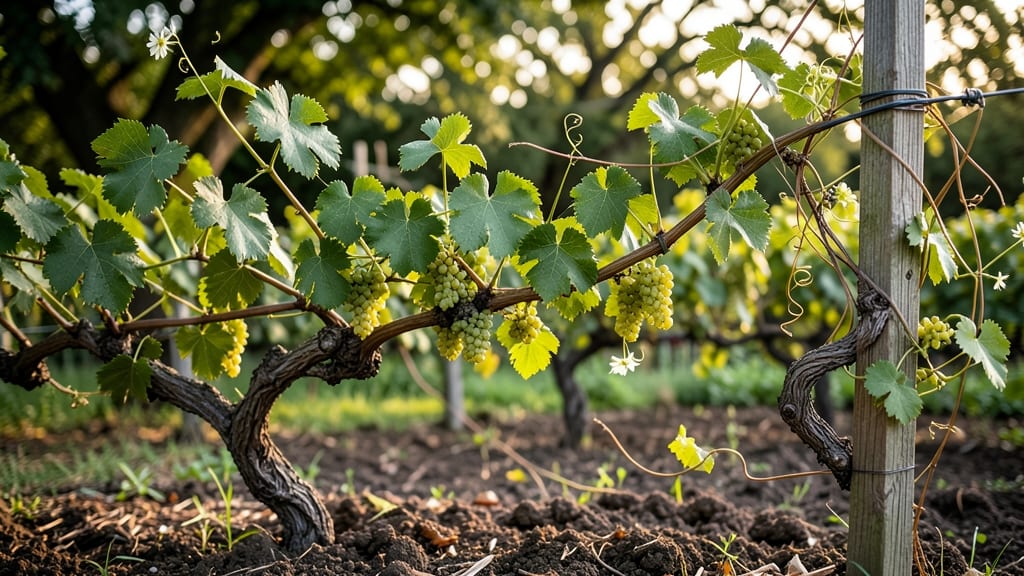
A grape plant can outlive you—and still produce fruit for decades. 🌿 The secret to their shockingly long lifespan (some vines hit 50+ years) isn’t magic; it’s pruning, soil care, and knowing when to give them a break.
My neighbor’s Muscat vine, planted in 1972, still drops clusters every fall, proving these plants aren’t just hardy, they’re built for endurance.
Most people assume grapevines follow the "two-year rule"—big harvest one year, rest the next—but that’s outdated. With proper training (trellises or espalier), perennial varieties like Vitis vinifera can fruit reliably every year.
The key is winter protection in cold zones (mulch, wrapping) and summer shade to prevent sunburn on tender leaves. Even container-grown vines last longer than you’d think if you keep roots cool and well-drained.
By year 10, you’ll notice slower growth and fewer clusters—but that’s normal. The real test is how you respond: thinning old canes, fertilizing with compost, and watching for powdery mildew (your vine’s #1 enemy).
A well-cared-for vine doesn’t just live decades; it keeps producing juicier, sweeter grapes with age, as sugars concentrate in the wood.
Here’s the plot twist: the oldest vines often bear the best fruit. My 30-year-old Thompson Seedless still out-yields my two-year-old nursery plants. The trick? Treat them like fine wine—patience, consistency, and a little extra TLC in their golden years. Let’s get into how to make yours last that long.
📚 In This Guide
- What you need
- Instructions
- Tips and common mistakes
- Wrapping up and next steps
What you need
- ● Grapevine plants: Choose disease-resistant varieties (e.g., Vitis vinifera or Vitis labrusca) from a reputable nursery. Quantity: 1–3 plants (depending on space and support structure).
- ● Well-draining soil: Mix 60% topsoil, 30% compost, and 10% coarse sand (or perlite) for optimal drainage. pH: 5.5–7.0.
- ● Sunlight: Full sun (6–8+ hours daily). Ensure a south-facing location (Northern Hemisphere) or equivalent in the Southern Hemisphere.
- ● Support structure: Trellis: 8–12 ft tall, with cross-arms for vine training (e.g., kniffin or fan-trained systems).
- ● Posts: 4x4-inch wooden or metal posts, buried 2–3 ft deep and spaced 10–15 ft apart.
- ● Watering system: Drip irrigation: Essential for consistent moisture (avoid overhead watering to prevent disease). Flow rate: 1–2 gallons per hour per vine.
- ● Soaker hoses: Alternative for smaller setups (place along vine rows).
- ● Fertilizer: Balanced fertilizer: 10-10-10 or 12-12-12 (apply spring and early summer).
- ● Organic options: Composted manure (aged) or worm castings (1–2 lbs per vine).
- ● Pruning tools: Pruning shears: Bypass pruners (sharp, 5–7 inch blades for clean cuts).
- ● Loppers: For thicker canes (8–12 inch reach).
- ● Mulch: 2–4 inches of organic mulch (straw, wood chips, or pine needles) to retain moisture and suppress weeds.
- ● Soil test kit: Test for nutrient deficiencies (e.g., potassium, magnesium) to adjust fertilizer blends.
- ● Frost cloth: Protect young vines from late spring frosts (30–50 ft wide for large plots).
- ● Bird netting: Shield ripe grapes from pests (use 1/2-inch mesh).
- ● pH adjustment: Lime (for acidic soil) or sulfur (for alkaline soil) if needed.
- ● Grafting tools: If propagating from cuttings (e.g., grafting knife, rafting tape).
- ● Vineyard journal: Track pruning dates, yields, and weather patterns for long-term success!
How to maximize your grapevine's decades-long productivity
Here's how to set your grapevine up for a long, fruitful life—think 50+ years with the right care.
🌱 Step 1: Choose the Right Variety for Your Climate
Not all grapes thrive equally. For cool climates, select varieties like Concord or Niagara, which handle shorter growing seasons. In warm regions, Thompson Seedless or Flame Seedless excel with their heat tolerance. I always check my local cooperative extension service for region-specific recommendations—this ensures your vine matures properly and avoids early decline.
Disease resistance matters most for longevity. Look for varieties labeled "mildew-resistant" or "black rot-tolerant" if your area has humid summers. These traits directly impact how many decades your vine stays productive. Avoid hybrid grapes unless you're in a challenging climate—they often lack the hardiness of traditional European varieties.
☀️ Step 2: Plant in the Ideal Location and Soil
Grapes need 6-8 hours of direct sun daily, but they also appreciate afternoon shade in scorching climates to prevent sunburn on fruit. I plant mine where they get morning sun and afternoon relief from a nearby tree or building. The soil should drain exceptionally well—grapes hate soggy roots—and a slightly acidic to neutral pH (6.0-7.0) promotes long-term health.
Amend heavy clay soil with 3-4 inches of compost before planting to improve drainage. I always test my soil first—low organic matter or poor drainage will shorten your vine's lifespan significantly. Raised beds work beautifully for grapes, giving you complete control over soil quality from day one.
🪴 Step 3: Establish Proper Trellis and Pruning Systems
A well-designed trellis isn't just for aesthetics—it's critical for airflow and sunlight penetration, both of which prevent fungal diseases that cut grapevines' lifespans short. I use a 4-wire trellis system with wires spaced 3-4 feet apart vertically. This allows me to train vines upward while keeping canes off the ground where they'd rot.
Pruning is where most grape growers go wrong. In the first year, I remove only the weakest shoots, leaving 4-6 buds per cane. Subsequent years require more aggressive pruning—this isn't optional. Proper pruning every winter maintains the vine's energy balance, preventing premature aging. I always prune during dormancy (late winter/early spring) when the vine's sap isn't flowing.
💧 Step 4: Water Strategically to Prevent Stress
Grapes need 1-2 inches of water weekly during growing season, but consistency matters more than quantity. I water deeply 2-3 times per week rather than daily shallow watering. This encourages deep root growth, which is crucial for vines that need to stand for decades. Drip irrigation is ideal—it delivers water directly to the root zone without wetting the leaves, reducing disease risk.
Here's the thing—grapes hate wet feet. I always ensure proper drainage and avoid overhead watering after 10 AM to prevent fungal spores from splashing onto leaves. In years with heavy rainfall, I monitor soil moisture closely. Overwatering causes root rot, which can kill a mature vine in just a few seasons.
✂️ Step 5: Protect Against Pests and Diseases Year-Round
Prevention is your best tool for long-lived grapevines. I start with copper sprays in early spring to prevent fungal diseases like powdery mildew, which can weaken vines over time. Organic growers can use neem oil as a preventive measure. For pests, I release beneficial insects like ladybugs and lacewings early in the season—this natural approach keeps populations in check without chemicals that accumulate in the soil.
Watch for signs of stress: yellowing leaves, stunted growth, or unusual spots on fruit. These often signal problems before they become critical. I keep a vine health journal to track patterns—this helps me catch issues before they shorten the vine's lifespan. Regularly remove and destroy diseased plant debris to prevent reinfection next season.
Tips & tricks for maximizing your grapevine's lifespan
Real talk: The difference between a grapevine that thrives for decades and one that fizzles out in a few years often comes down to these overlooked details.
Variety Selection Matters More Than You Think: When choosing your grapevine variety in Step 1, don't just pick based on fruit type—consider your microclimate. For example, while Thompson Seedless handles heat beautifully, it can struggle in cooler regions where Concord would excel. I've seen growers plant the wrong variety twice before realizing their vine's potential was being stifled by climate mismatch. Check with your local agricultural extension office for site-specific recommendations—they often have decades of data on which varieties perform best in your exact conditions.
Soil Preparation is Non-Negotiable: That 3-4 inches of compost in Step 2 isn't just about drainage—it's about creating a biological ecosystem in the soil. I mix in additional organic matter like well-rotted manure or leaf mold to improve water retention while maintaining aeration. The key is to create a soil that holds moisture but never stays soggy. Think of it like building a foundation for a house—if you cut corners here, everything else will suffer down the line. Consider installing drainage tiles if you're in an area with naturally heavy clay soil.
Pruning Precision Prevents Premature Aging: The 4-6 buds per cane recommendation in Step 3 might seem strict, but this is where most grapevines get into trouble. I use sharp pruning shears and make clean cuts just above a bud or node. The goal is to maintain an open center that allows sunlight to penetrate all the way to the ground. Over time, this open structure prevents the dense growth that leads to fungal diseases. Mark your pruning cuts with flagging tape if you're unsure which buds will produce fruit—this visual guide makes future pruning much easier and more accurate.
Watering Wisdom Extends Productivity: That 1-2 inches of water weekly guideline in Step 4 is your baseline, but timing matters just as much. I use a rain gauge to track precipitation and only water when we've had less than 0.5 inches in the past week. Morning watering (before 10 AM) gives the foliage time to dry completely, reducing fungal pressure. Consider installing a moisture sensor in your vineyard—these devices can save you from both overwatering and underwatering, both of which accelerate vine decline. The goal is consistent moisture without creating waterlogged conditions.
Pro Tips for Lifespan Of Grapes Plant
- Real talk: The difference between a grapevine that thrives for decades and one that fizzles out in a few years often comes down to these overlooked details.
- Variety Selection Matters More Than You Think: When choosing your grapevine variety in Step 1, don't just pick based on fruit type—consider your microclimate.
- Soil Preparation is Non-Negotiable: That 3-4 inches of compost in Step 2 isn't just about drainage—it's about creating a biological ecosystem in the soil.
Frequently asked questions
Got questions about how long your grapevine will thrive—or how to maximize its lifespan? Here are some of the most common concerns, answered for you!
How long do grapevines typically live?
With proper care, grapevines can live 20 to 50+ years! Some historic vines, like those in Europe, have surpassed centuries of productivity. Their lifespan depends on climate, pruning, soil health, and pest control. Well-maintained vines often peak in fruit quality between years 5–15 but continue bearing for decades.
When do grapevines stop producing fruit?
Grapevines don’t suddenly "retire," but their yield may decline after 30–40 years due to aging wood or disease buildup. Older vines often produce smaller crops but higher-quality fruit. Regular pruning, disease monitoring, and replacing weak canes can extend their productive years. If a vine stops fruiting entirely, it’s time to consider renewal or replacement.
What’s the best way to extend a grapevine’s lifespan?
Focus on these key practices to keep your vine healthy for decades:
- Prune annually (late winter/early spring) to remove dead or diseased wood and improve airflow.
- Use well-draining soil and amend with compost to prevent root rot.
- Monitor for pests/diseases (like powdery mildew or Japanese beetles) and treat early.
- Water deeply but infrequently (1–2 inches per week) to encourage strong root growth.
- Fertilize sparingly—overdoing it can shorten the vine’s life.
Can you grow new grapes from an old vine’s cuttings?
Yes! Taking hardwood cuttings (4–6 inches long, from dormant wood) in late winter is a great way to propagate a healthy vine. Dip the cut end in rooting hormone, plant in moist soil, and keep it shaded until roots form (4–8 weeks). This method preserves the vine’s genetics—ideal for heirloom varieties. Just ensure the parent vine is disease-free!
What are the signs a grapevine is dying, and how can I save it?
Watch for these red flags:
- Yellowing leaves (could signal nutrient deficiency or disease).
- Cracked or oozing bark (sign of bacterial infections like crown gall).
- No new growth in spring (may indicate root damage or winter kill).
- Excessive fruit drop (stress from pests, drought, or poor soil).
Wrapping up and next steps
Understanding the lifespan of a grapevine isn’t just about patience—it’s about strategic care. With the right soil, pruning, and protection, your grape plant can thrive for decades, rewarding you with bountiful harvests year after year.
Whether you’re growing grapes for wine, fresh eating, or raisins, this knowledge empowers you to nurture a fruitful legacy. 🌱✨
Ready to extend your grapevine’s life? Start by reviewing your pruning schedule or testing your soil health—small steps lead to big rewards! Plant a seed (literally or figuratively) today and watch your vine flourish for seasons to come.