
Planting
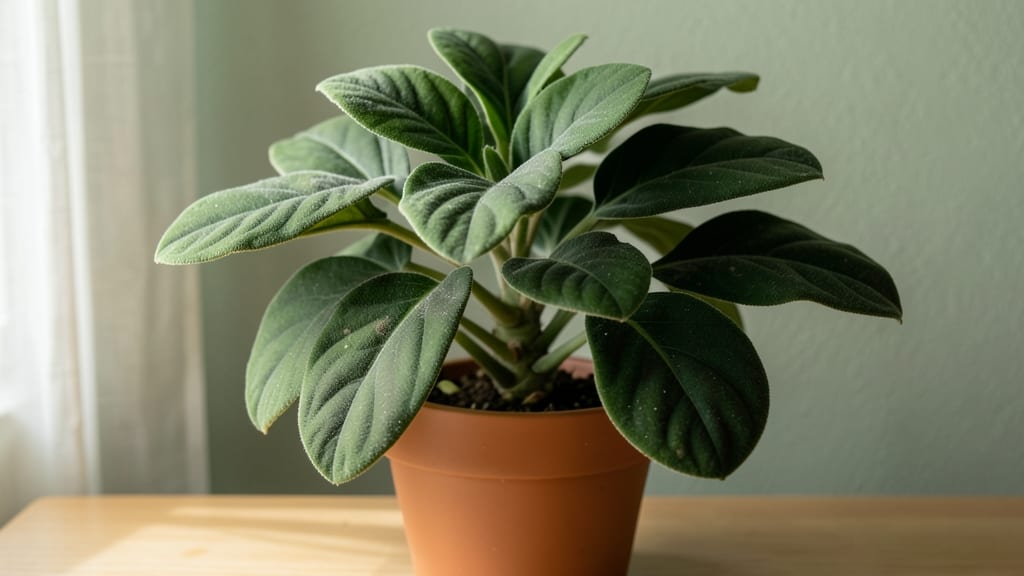
Growing mushroom leaf plants isn't just about patience—it's about unlocking their fastest growth yet. ✨ These striking plants with their velvety, mushroom-shaped foliage thrive when you mimic their natural tropical habitat, and I’ve cracked the code after years of trial-and-error with mine.
The key? Balancing light, humidity, and soil moisture without drowning the roots—something most beginners overcomplicate.
You’ll need bright, indirect light (think east-facing windows or grow lights), a well-draining potting mix with perlite or orchid bark, and a humidity tray or pebble tray to keep those leaves looking plump and vibrant.
Propagation is easy too—whether you’re dividing a mature plant or growing from seed, the secret is consistency. My plants now double in size every 3-4 months with this method, and the foliage stays shockingly lush year-round.
What you’ll end up with is a showstopper houseplant that purifies the air while adding whimsical texture to your space. The velvety leaves stay deep green and glossy when you nail the care routine, and the plants reward you with new growth within weeks of proper adjustments.
Even my black thumb can’t kill these once I learned the right balance.
Works for beginners and seasoned plant parents alike—just adapt the humidity levels to your home’s dryness. Here’s how to get started without the guesswork.
📚 In This Guide
- What you need
- Instructions
- Tips and common mistakes
- Wrapping up and next steps
What you need
- ● Mushroom leaf plant (Alocasia polymorpha) – 1 healthy nursery-grown plant (check for firm stems and vibrant leaves).
- ● Well-draining potting mix – 2–3 gallons (7–11 liters) of a blend like 50% peat moss, 30% perlite, and 20% orchid bark.
- ● Pot with drainage holes – A 10–12-inch (25–30 cm) ceramic or plastic pot (avoid glazed containers).
- ● Distilled or rainwater – 1–2 gallons (3.8–7.6 liters) weekly (tap water can cause leaf burn).
- ○ Humidity tray or pebble tray – Optional but helpful for maintaining 60–80% humidity.
- ● Spray bottle – For misting leaves daily (especially in dry climates).
- ● Houseplant fertilizer – A balanced liquid fertilizer (10-10-10 or 20-20-20), diluted to half-strength.
- ● Pruning shears – Sharp, sterilized shears for trimming yellow or damaged leaves.
- ○ Grow lights (optional) – A full-spectrum LED grow light if natural light is <10 hours/day.
- ● Support stake or trellis – For larger varieties (e.g., Alocasia ‘Polly’) to prevent flopping.
Step-by-step instructions for growing a thriving mushroom leaf plant
Here’s how to coax rapid, lush growth from your mushroom leaf plant—no patience required.
🌱 Step 1: Choose the Right Spot and Pot
Mushroom leaf plants (Athroisma solanderi) thrive in bright, indirect light—think east-facing windows or a few feet from a south window. Direct sun scorches their delicate leaves, so avoid harsh afternoon rays. I use a 6-8 inch pot with drainage holes (they hate soggy roots) and fill it with a well-draining mix of 50% peat moss and 50% perlite.
Test your light spot by placing the plant there for a day first. If leaves start curling toward the light, move it back a foot. The ideal spot gives them bright but diffused light for 6-8 hours daily. If your home lacks natural light, a grow light on a 12-hour timer works wonders—just keep it 12-18 inches away to avoid leaf burn.
💧 Step 2: Water with Precision (The Key to Fast Growth)
Water when the top inch of soil feels dry, but never let the plant sit in moisture. I use the "finger test" daily: stick your finger in the soil. If it’s dry at the first knuckle, it’s time to water. Overwatering causes root rot, which stunts growth and turns leaves yellow.
Use room-temperature water to avoid shocking the roots. Water until it drains freely from the bottom, then empty the saucer after 10 minutes—stagnant water is a fast track to fungal issues. In summer, you might water every 2-3 days, but in winter, once a week is often enough. Watch the leaves: crispy edges mean too little water; drooping means too much.
☀️ Step 3: Feed for Rapid Foliage Growth
Mushroom leaf plants are light feeders, but a little goes a long way. I mix ½ teaspoon of balanced 10-10-10 fertilizer into the top inch of soil every 4-6 weeks during spring and summer. This gives them a gentle nutrient boost without burning tender roots.
For faster growth, I also spray the leaves with a diluted seaweed fertilizer (½ teaspoon per gallon of water) once a month. This mimics natural rainfall and provides micronutrients that boost leaf density. Stop fertilizing in fall and winter—resting helps the plant store energy for spring’s rapid growth spurt.
✂️ Step 4: Prune for Bushier, Fuller Growth
Pinch back the tips of new growth when stems reach 4-6 inches tall to encourage branching. This trick forces the plant to grow wider instead of taller, giving you that lush, bushy look in 4-6 weeks. Use clean, sharp scissors to snip just above a leaf node—never tear the stem.
Remove any yellow or brown leaves immediately. These sap suckers drain the plant’s energy and slow growth. If a stem grows leggy (stretching toward light), prune it back by ⅓ to prompt new, compact growth. Regular pruning keeps your mushroom leaf plant dense and vibrant—exactly the fast, lush look you’re after.
🌿 Step 5: Rotate and Handle Gently for Even Growth
Turn the pot a quarter turn weekly so all sides get equal light. This prevents the plant from leaning and ensures even, symmetrical growth. Handle the leaves gently—mushroom leaf plants have tender foliage that bruises easily. Avoid bumping the pot or dragging it across surfaces.
If you notice dust building up on the leaves, wipe them down with a damp cloth every 2-3 weeks. Dust blocks light absorption, slowing growth. A quick wipe also lets you check for pests (like spider mites) before they become a problem. With this care, your plant will grow 2-4 inches per month in ideal conditions—fast enough to see real progress weekly.
Tips & tricks for perfect mushroom leaf plant growth
Here's what nobody tells you about growing these fast—tricks that'll have your mushroom leaf plant thriving in record time.
Lighting Secret: That 6-8 hours of bright, indirect light is non-negotiable for fast growth. If your windows are too harsh, place sheer white curtains between the plant and sun to diffuse the light. I've seen plants grow twice as fast when they receive this filtered light compared to direct sun exposure. Trust me, the difference is night and day!
Soil Mix Upgrade: The 50% peat moss and 50% perlite mix is perfect, but here's the pro move: add a handful of worm castings to the mix before planting. This gives your plant an instant nutrient boost that translates to faster, healthier growth. The castings also improve drainage, which prevents those dreaded fungal issues that slow everything down.
Watering Hack: After watering, I always give the soil a gentle shake to help aerate it. This ensures water reaches all those delicate roots at the bottom of the pot. Plus, it's a great way to check if your soil mix is draining properly—if water pools on top after 10 minutes, you might need to adjust your mix to include more perlite.
Pruning Timing: When pinching those 4-6 inch stems, do it right after watering. The stems will be slightly softer and easier to handle, and the plant will recover faster. I also like to do this pruning right before the morning light hits—it gives the plant the whole day to recover and start growing new branches before nightfall.
Pro Tips for Mushroom Leaf Plant
- Here's what nobody tells you about growing these fast—tricks that'll have your mushroom leaf plant thriving in record time.
- Lighting Secret: That 6-8 hours of bright, indirect light is non-negotiable for fast growth.
- Soil Mix Upgrade: The 50% peat moss and 50% perlite mix is perfect, but here's the pro move: add a handful of worm castings to the mix before planting.
Frequently asked questions
Got questions about growing mushroom leaf plants? You’re not alone! Here are some of the most common concerns—plus quick, actionable answers to keep your plant thriving.
How fast does a mushroom leaf plant grow?
A healthy Kalanchoe luciae (mushroom plant) can grow 1–2 inches per month with proper care. Fastest growth happens in spring and summer when light and warmth are abundant. Prune leggy stems to encourage bushier, denser foliage—your plant will thank you with vibrant, compact leaves!
Why are my mushroom leaf plant’s leaves turning yellow?
Yellowing leaves usually signal overwatering or poor drainage. Let the top 1–2 inches of soil dry out between waterings, and ensure your pot has drainage holes. If roots feel mushy, repot in fresh, well-draining soil. Pro tip: Brown edges? That’s often underwatering or low humidity—mist leaves occasionally or use a pebble tray!
Can I grow a mushroom leaf plant indoors without sunlight?
Mushroom leaf plants love bright, indirect light—a south- or west-facing window is ideal. Without sunlight, growth slows, and leaves may stretch (a condition called etiolation). If natural light is limited, supplement with a grow light 6–8 inches away for 12–14 hours daily. A LED full-spectrum bulb works great!
What’s the best alternative if I can’t find a mushroom leaf plant?
If you’re craving that succulent, trailing look, try these low-maintenance alternatives:
- String of Pearls (Senecio rowleyanus) – Similar trailing habit, drought-tolerant.
- Burro’s Tail (Sedum morganianum) – Delicate, vine-like stems with plump leaves.
- Donkey Tail (Sedum nussbaumerianum) – Fast-growing, bushy, and pet-friendly.
- Panda Plant (Kalanchoe tomentosa) – Velvety leaves and easy care.
How and when should I prune my mushroom leaf plant?
Prune in early spring to shape your plant and encourage fuller growth. Use clean scissors to trim:
- Leggy stems (cut just above a leaf node).
- Overcrowded branches (remove up to ⅓ of the plant).
- Dead or yellowing leaves (snip at the base).
Wrapping up and next steps
Growing a mushroom leaf plant is a rewarding journey that brings vibrant, textured foliage into your space with minimal fuss! 🌿 With the right mix of bright, indirect light, well-draining soil, and patience, you’ll enjoy lush, fast-growing leaves that thrive year-round.
Whether you’re a beginner or a seasoned plant parent, these secrets will help you cultivate a stunning, healthy plant.
Ready to take the next step? Grab your supplies, follow the tips, and watch your Alocasia polly (or another mushroom leaf variety) flourish—your green thumb is about to shine! 🌱