
Planting
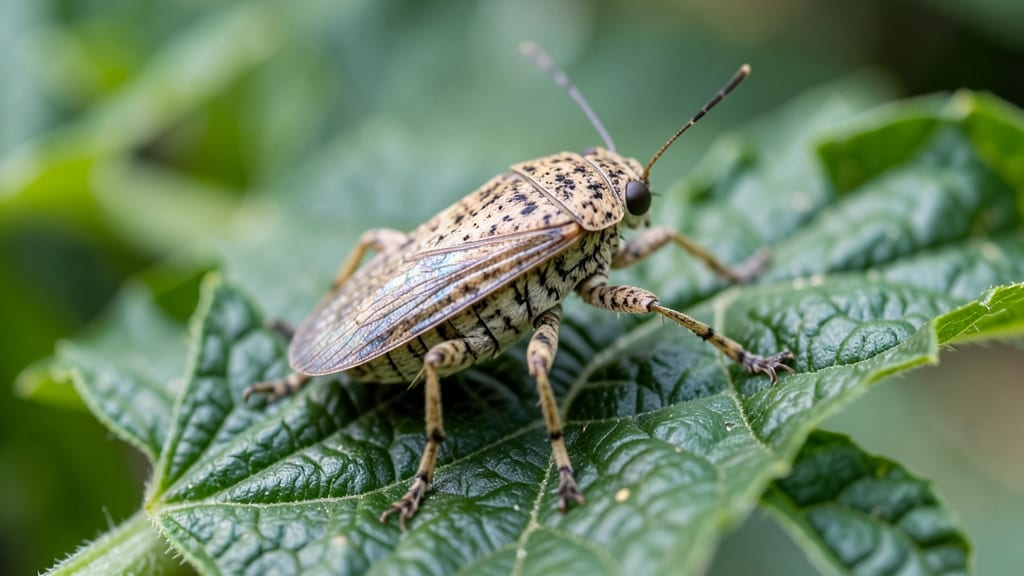
Okra bugs can turn your harvest into a battle zone—unless you know these 3 simple sprays that work in minutes. 🌿 I’ve lost entire okra patches to aphids and spider mites until I discovered these targeted solutions that keep plants thriving without harsh chemicals.
The key is acting fast when you spot sticky leaves or tiny webs. Most infestations start with aphids clustering on new growth, followed by spider mites when the air gets dry. These pests suck sap, stunting pods before they even form.
My go-to spray mix—neem oil, insecticidal soap, and a dash of garlic—stops them cold, but timing matters. Apply in the early morning when bugs are sluggish and beneficial insects are least affected.
By mid-afternoon, you’ll see the pests dropping like flies, and your okra will start regrowing within 3-5 days. The plants stay vigorous, pods remain crisp, and you avoid the bitter taste that stress can cause. No more wasted harvests—just healthy, productive plants.
Works for backyard gardens, raised beds, and even container okra. The same sprays tackle cabbage worms and beetles too, making it a multi-purpose defense for your summer crops.
Root Causes Of Plant Invaders
When your okra plants start showing signs of distress—chewed leaves, sticky residue, or wilting growth—it’s often a sign that tiny pests have moved in. Understanding why these bugs target your okra is the first step to stopping them.
Below, we break down the most common reasons these pests invade your garden, backed by science and practical insights.
Okra plants thrive when they have space to grow strong and healthy.
When plants are too close together, they compete for sunlight, water, and nutrients, weakening their natural defenses. Pests like aphids, spider mites, and whiteflies are drawn to stressed plants because they’re easier to feed on and less likely to mount a chemical defense.
Why it happens:
- Poor air circulation: Dense foliage traps moisture, creating a humid microclimate that pests love. Fungal diseases often follow, further stressing the plant.
- Nutrient competition: Weakened plants produce less sap and tougher cell walls, making them a buffet for sap-sucking bugs.
- Shade stress: Overcrowding blocks sunlight, reducing photosynthesis. Plants with lower energy reserves are more vulnerable to attacks.
Actionable fix: Space okra plants 18–24 inches apart in rows 3 feet apart to allow airflow and sunlight. Prune lower leaves to improve circulation and reduce hiding spots for pests.
Bugs don’t just attack weak plants—they’re also attracted to plants with specific nutrient deficiencies. For example, nitrogen-deficient okra may produce softer leaves that aphids find irresistible, while potassium-deficient plants struggle to produce bitter compounds that deter pests.
Why it happens:
| Deficiency | Pest Attraction | Visual Clues |
|---|---|---|
| Nitrogen (N) | Aphids, spider mites (softer tissue = easier meal) | Yellowing lower leaves, stunted growth |
| Potassium (K) | Whiteflies, stink bugs (reduced bitter compounds) | Brown leaf edges, weak stems |
| Phosphorus (P) | Root-knot nematodes (slow growth = easier invasion) | Purple-tinged leaves, delayed flowering |
Actionable fix: Conduct a soil test to identify deficiencies, then amend with:
- Compost or aged manure (for nitrogen)
- Wood ash or greensand (for potassium)
- Bone meal (for phosphorus)
Apply a balanced fertilizer (10-10-10) at planting and side-dress with compost every 4–6 weeks.
Okra plants need consistent moisture to stay healthy, but too much or too little water can turn them into pest magnets. Drought-stressed plants produce sugary sap that attracts bugs like stink bugs and leaf-footed bugs, while overwatered plants create soggy conditions perfect for fungal diseases and soft-bodied pests.
Why it happens:
- Drought stress: Plants produce more sugars in their sap to survive, making them sweeter targets for sap-sucking insects.
- Overwatering: Excess moisture weakens cell walls and encourages fungal growth, which pests like thrips and whiteflies exploit.
- Inconsistent watering: Fluctuating moisture levels confuse the plant’s defense mechanisms, leaving it vulnerable.
Actionable fix:
- Water deeply 1–2 times per week (1–1.5 inches per session) rather than daily shallow watering.
- Use drip irrigation or soaker hoses to deliver water directly to the roots and avoid wetting foliage.
- Mulch with straw or wood chips to retain moisture and regulate soil temperature.
Healthy ecosystems have a natural balance—predatory insects like ladybugs, lacewings, and parasitic wasps keep pest populations in check. But if your garden lacks biodiversity, pests can multiply unchecked. Monoculture planting (growing only okra) or heavy pesticide use can disrupt this balance, leaving your plants defenseless.
Why it happens:
- Pesticide overuse: Broad-spectrum chemicals kill both pests and their natural predators, creating a vacuum that pests rush to fill.
- Lack of companion plants: Okra benefits from being planted near marigolds, basil, or nasturtiums, which attract beneficial insects.
- Habitat loss: Without flower borders, brush piles, or diverse plantings, predatory insects have fewer places to live and hunt.
Actionable fix:
- Introduce beneficial insects like Trichogramma wasps (for caterpillars) or aphid midge (for aphids).
- Plant flowering herbs and wildflowers around your okra to attract predators.
- Avoid neonicotinoids and opt for targeted sprays (like neem oil or insecticidal soap) that don’t harm beneficial bugs.
Some pests are seasonal invaders, while others are drawn to okra based on environmental conditions. For example, okra pod borers thrive in warm, humid climates, while flea beetles are more active in hot, dry weather. Understanding these triggers helps you predict and prevent outbreaks.
Why it happens:
- Heat and humidity: Pests like whiteflies and spider mites multiply faster in warm, moist conditions because they dehydrate less quickly.
- Dry, windy conditions: Flea beetles and stink bugs are more active when soil is dry, as they seek out stressed plants.
- Early planting: Cool-season pests (like harlequin bugs) may target young okra plants if they’re planted too early in the season.
Actionable fix:
- Plant okra at the optimal time for your climate (usually after the last frost when soil is warm).
- Use row covers in early spring to block flying pests like flea beetles.
- Monitor weather forecasts and apply preventive sprays (like kaolin clay) before pest seasons peak.
Quick Fixes for Common Okra Pests
Okra plant bugs—whether they’re sap-sucking insects, leaf-eating larvae, or stubborn pests like aphids and spider mites—can quickly turn your thriving garden into a battleground. But don’t worry! With the right targeted solutions, you can restore your okra plants to peak health in no time.
Below, we’ve mapped out practical fixes for the most common culprits, along with prevention tips to keep your harvest bug-free.
Signs: Curling leaves, sticky residue (honeydew), tiny webs, or visible clusters of tiny bugs on new growth.
How to Treat It:
🔥 Step 1: Blast Them Off - Water blast method: Use a strong stream of water from a hose (early morning or late evening) to dislodge aphids and mites.
Repeat every 2–3 days until they’re gone. - Neem oil spray (best organic fix): - Mix 1 tbsp neem oil + 1 tsp mild soap (like castile) + 1 quart water. - Spray directly on undersides of leaves (where pests hide) and stems. - Reapply every 5–7 days until pests vanish.
👨🍳 Step 2: Introduce Beneficial Bugs
- Ladybugs & lacewings are natural aphid predators. Release them in the evening when they’re most active.
- Predatory mites (like Phytoseiulus persimilis) devour spider mites—buy them online or from garden centers.
💡 Prevention Tip:
- Interplant okra with marigolds or basil—their strong scents repel aphids.
- Avoid over-fertilizing with nitrogen (soft, new growth attracts aphids).
Signs: Ragged holes in leaves, chewed stems, or green/black caterpillars hiding under foliage.
How to Treat It:
🔪 Step 1: Handpick & Destroy
- Early morning or dusk, check leaves for caterpillars. Drop them into soapy water (1 tbsp dish soap per gallon).
- For large infestations, wear gloves and pluck them off by hand.
🥘 Step 2: Use Bt (Bacillus thuringiensis) Spray
- Bt is a natural bacterial spray that kills caterpillars without harming beneficial insects.
- Mix 1 tsp Bt powder + 1 quart water, then spray evenly on both sides of leaves.
- Reapply after rain or every 7–10 days.
🌡️ Step 3: Set Up Traps (For Moths)
- Pheromone traps for okra podworms (like the Helicoverpa zea) can reduce moth populations by 70%.
- Hang traps near the garden edges before planting.
✨ Prevention Tip:
- Rotate crops—don’t plant okra in the same spot yearly.
- Use row covers (lightweight fabric) over young plants to block moths from laying eggs.
Signs: Pitted, discolored pods; brownish bugs hiding under leaves; or stinky odor when crushed.
How to Treat It:
🎯 Step 1: Knock Them Down
- Diatomaceous earth (DE): Sprinkle food-grade DE around the base of plants and on leaf surfaces. It dehydrates bugs in 48 hours.
- Yellow sticky traps: Place them above the plant canopy to catch flying adults.
💪 Step 2: Pyrethrin Spray (Fast Knockdown)
- Mix 1 tsp pyrethrin (from chrysanthemums) + 1 tsp soap + 1 quart water.
- Spray directly on bugs (avoid beneficial insects by applying at dusk).
- Reapply every 3–4 days until pods are safe.
🔥 Step 3: Encourage Bird Activity
- Birds love stink bugs! Hang bird feeders or install a birdbath nearby to attract natural predators.
🎯 Prevention Tip:
- Remove weeds—they harbor stink bug eggs.
- Plant okra in late spring (after overwintering bugs have died off).
Even after treating pests, prevention is key to avoiding repeat infestations. Follow these easy habits to keep your okra plants strong and pest-free:
- 💡 Rotate crops every 2–3 years to starve soil-borne pests.
- 🌡️ Mulch with straw or grass clippings to deter crawling insects.
- 🔥 Prune damaged leaves immediately—don’t let pests spread.
- 🎯 Water at the base (not overhead) to reduce fungal diseases that attract bugs.
- 🌱 Plant companion crops like okra + peppers + onions—their strong aromas confuse pests.
Final Note: Most okra pests can be eliminated within 2–3 weeks with consistent action. Act fast—the sooner you treat an infestation, the less damage your plants will suffer.
And remember: A healthy plant is the best defense! Keep your okra well-watered, fed with compost, and stress-free for a bountiful, bug-free harvest. 🚜🌱
Frequently asked questions
What are the most common bugs that attack okra plants?
The top culprits include aphids (tiny green/black clusters), spider mites (create fine webs), okra pod borers (chew holes in pods), and stink bugs (leave pitted damage). Early detection is key—check undersides of leaves daily during warm months.
How do I tell if my okra plants have bugs versus normal stress?
Bug damage has distinct signs: aphids leave sticky honeydew, spider mites cause yellow stippling, and caterpillars create ragged holes. Normal stress shows uniform wilting or yellowing without visible pests. Use a magnifying glass to spot tiny insects.
Can I use store-bought pesticides on okra, or should I stick to organic methods?
For edible plants like okra, organic methods are safest. Neem oil, insecticidal soap, and Bacillus thuringiensis (Bt) are effective against most pests without residue. Avoid synthetic pesticides—okra absorbs chemicals into pods, making them unsafe to eat.
Why do bugs keep coming back after I treat them?
Pests often return due to untreated hiding spots (like leaf undersides) or new eggs laid after treatment. For stubborn infestations, rotate methods: use neem oil one week, then introduce ladybugs the next, and repeat. Also check for stressed plants attracting pests.
Will companion planting really work to prevent okra bugs?
Yes! Planting marigolds, basil, or nasturtiums near okra confuses pests with strong scents and attracts beneficial predators like ladybugs. The key is diversity—avoid planting only okra, as monocultures attract more pests. Try the "three sisters" method with corn, beans, and okra.