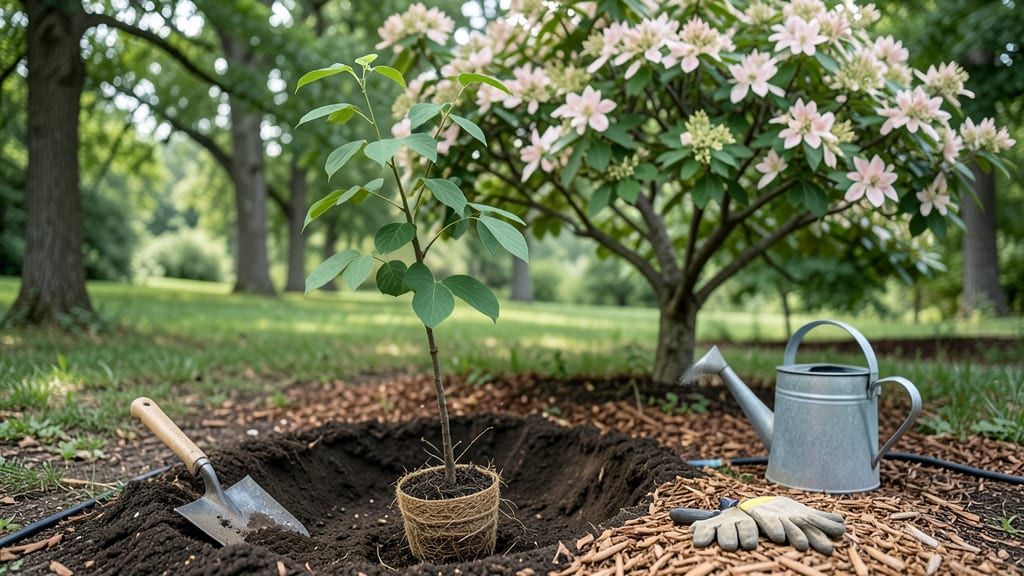
Transplanting a dogwood feels like moving a stubborn friend—you need patience and the right timing. 🌳 The best time is early spring or fall when the tree is dormant, and the soil stays cool. I’ve moved dogwoods in…
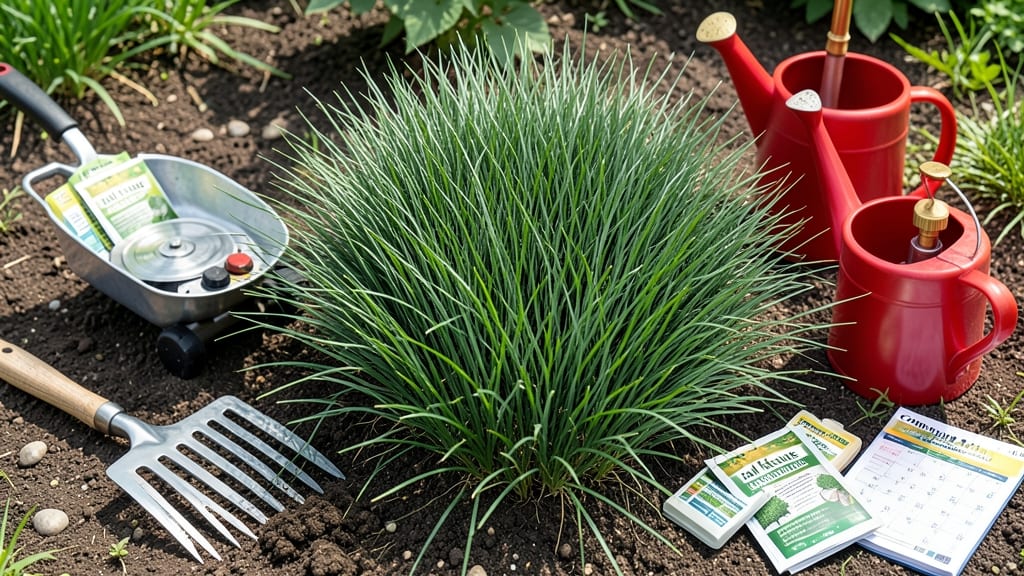
Planting grass seed in Kentucky too late can leave you with patchy, weak growth—or worse, a lawn takeover by weeds—but the last safe window depends on more than just the calendar. Kentucky’s unpredictable spring weather…
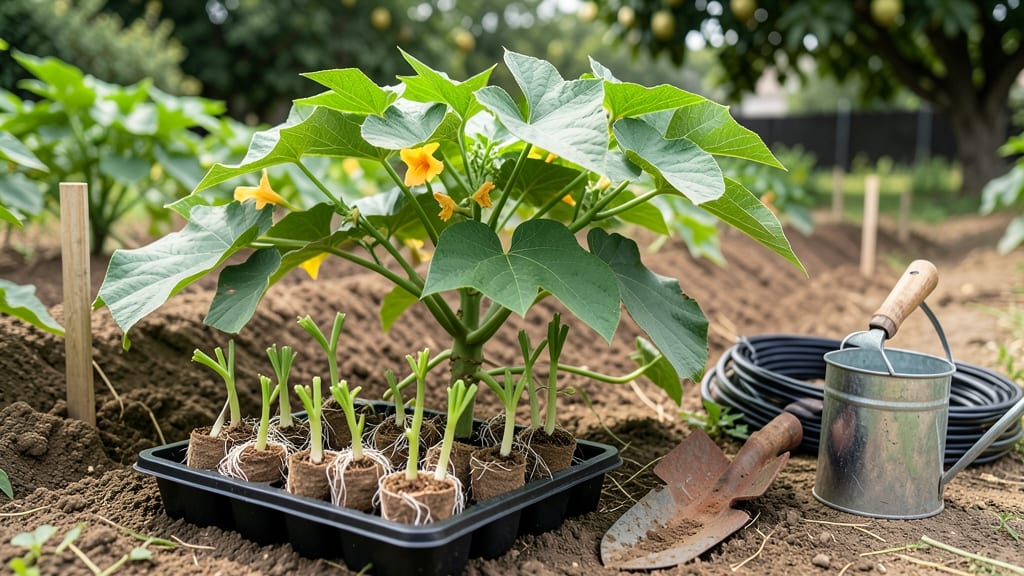
💥 Quick Answer To plant sweet potatoes in Pennsylvania, wait until after the last frost when soil temperatures consistently reach 65°F (18°C), typically between late May and early June. Start slips indoors 2-3 weeks…
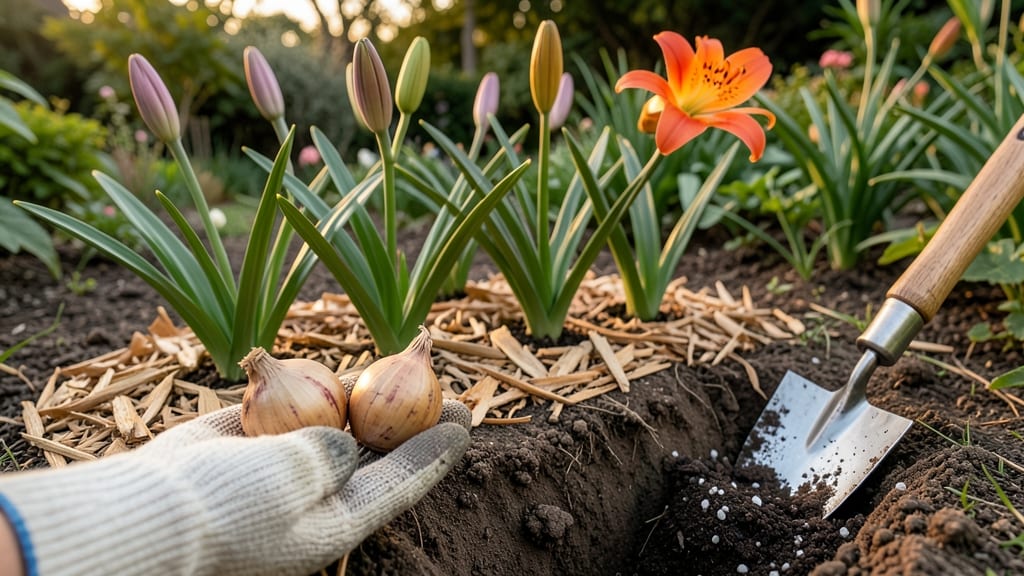
If you’ve ever planted lilies only to watch them struggle or fail to bloom, you’re not alone— the best place to plant lilies isn’t just about digging a hole. It’s about sunlight, soil, and even the unseen factors like…
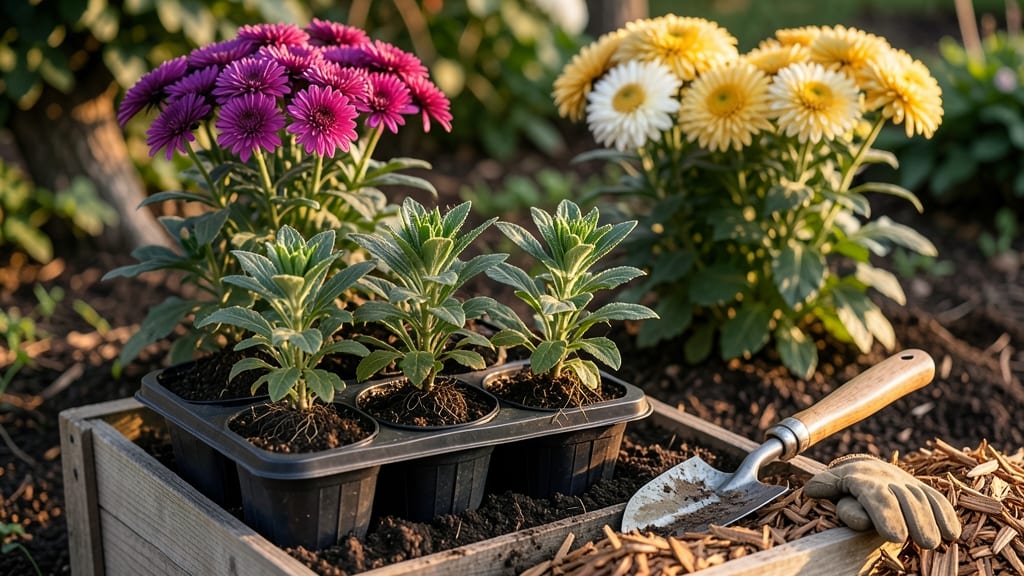
Planting mums in ground at the right time ensures vibrant fall blooms that last well into October. Want a burst of brilliant fall color that turns heads in your neighborhood? The secret lies in timing—planting too early…
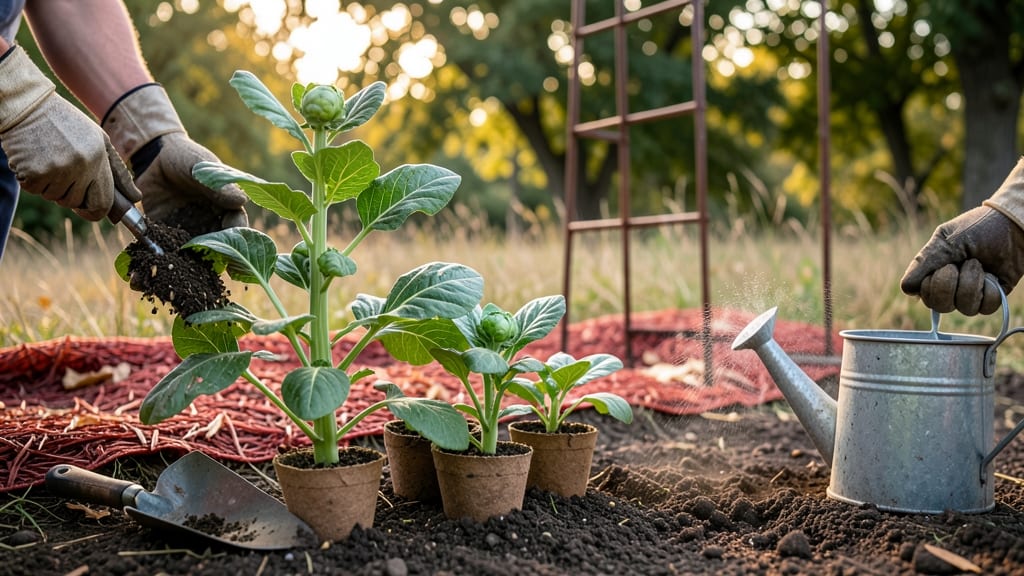
Planting Brussels sprouts the right way means cold-hardy success —no more struggling with floppy stems or bitter-tasting harvests. 🌱 I’ve grown them for years, and the difference between a thriving crop and a…
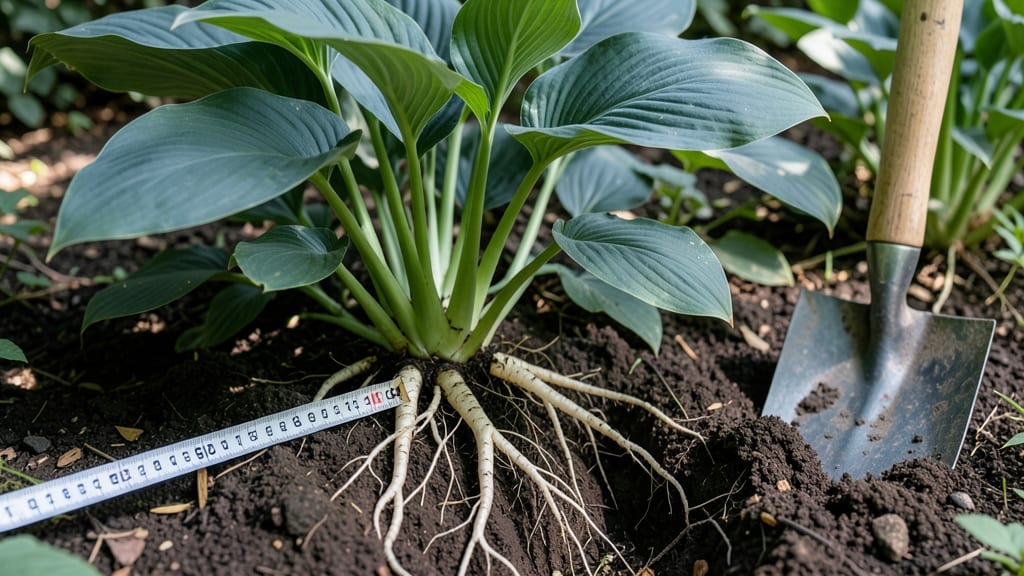
Growing healthy hostas 🌿 depends on knowing how deep their roots spread underground—typically between 12 and 18 inches for mature plants, with younger specimens developing shallower but wider root systems. If you’ve…
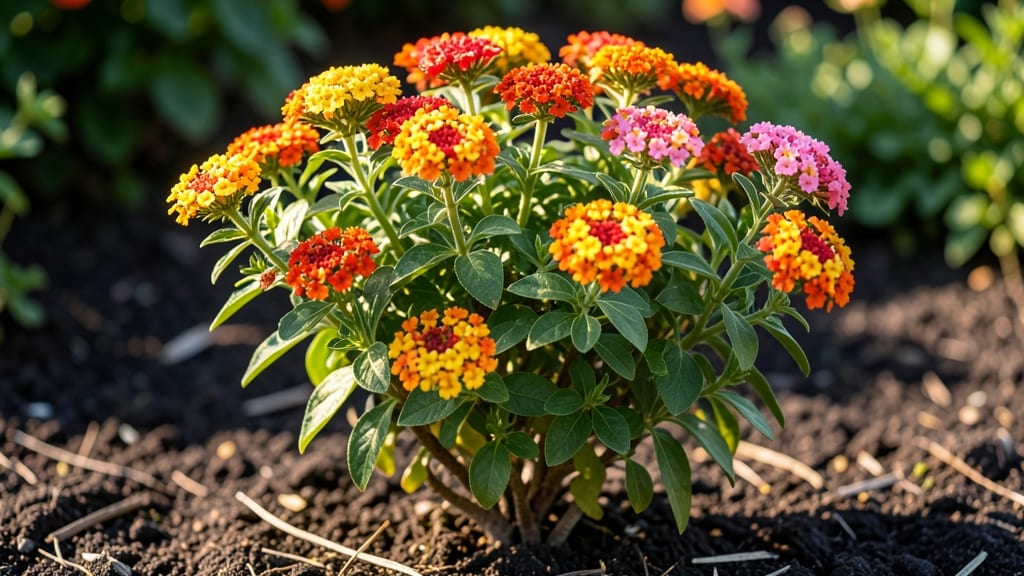
💥 Quick Answer For lantana plants in Zone 6, cold tolerance is limited, as they thrive naturally in USDA Zones 8-11 but can endure brief dips below 20°F with proper protection or experience dieback. Using mulch…
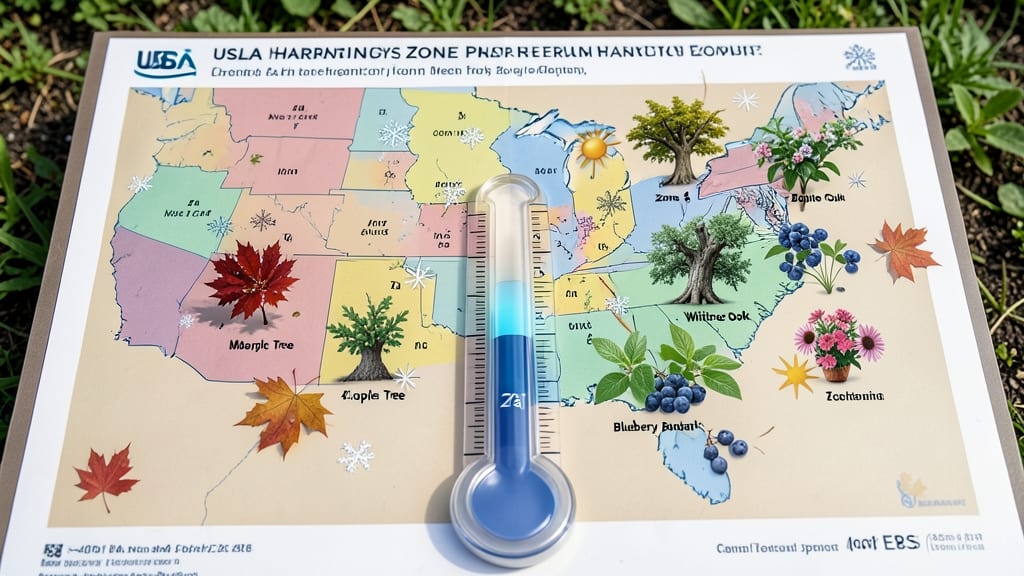
💥 Quick Answer New England's hardiness zones range from 3 in northern Maine to 7 near Boston, with sub-zones like 3a/3b and 6b/7a creating distinct frost patterns. Cool-season crops like lettuce thrive in March-April…