
Planting
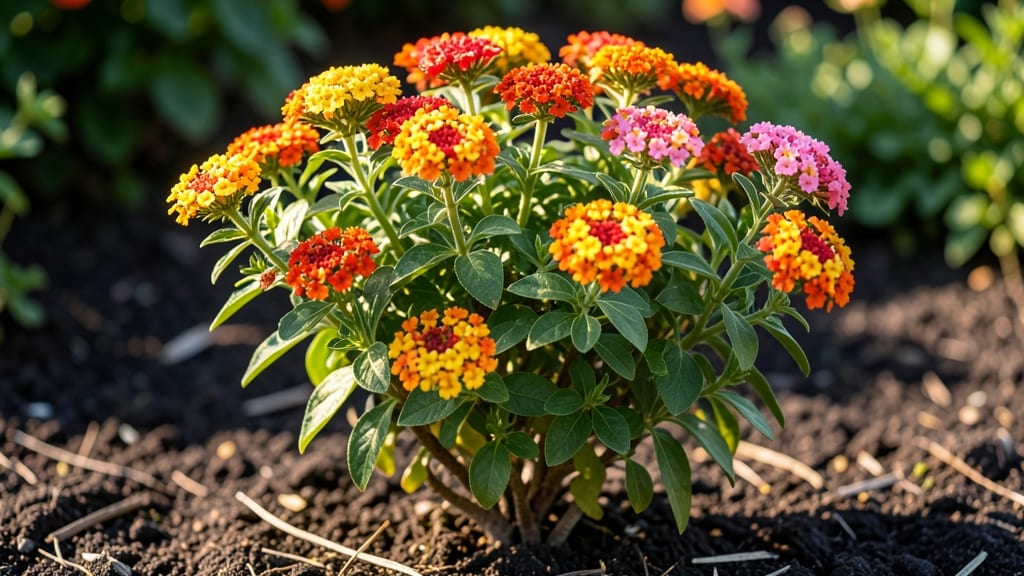
For lantana plants in Zone 6, cold tolerance is limited, as they thrive naturally in USDA Zones 8-11 but can endure brief dips below 20°F with proper protection or experience dieback. Using mulch, container growing, or post-frost pruning extends their lifespan in cooler regions.
Lantana's struggle with Zone 6 winters stems from its tropical origins—most varieties simply can't handle prolonged freezing. 🌱 The key is creating a buffer: thick mulch (like straw or leaves) insulates roots, while container growing lets you move plants indoors during hard freezes.
I've seen gardeners in Zone 6 keep lantana alive for years by combining these methods with strategic pruning after frost damage appears. The goal isn't to make lantana fully winter-hardy, but to give it the best shot at bouncing back each spring.
What's interesting is how different cultivars respond: Lantana montevidensis often handles cooler temps slightly better than Lantana camara, but neither is truly Zone 6 native. The real game-changer is microclimates—planting near south-facing walls or under greenhouse structures can add 5-10°F of protection during cold snaps.
I always recommend testing one section of your lantana in a protected spot first to see how it fares before committing to full winter care.
💡 In This Article
- Understanding Lantana Cold Tolerance Limits
- Zone 6 Lantana Survival Tips: Mulching, Pruning, and Winter Care
Understanding lantana cold tolerance limits
Lantana's cold sensitivity stems from its tropical heritage—most varieties evolved in warm climates where temperatures rarely drop below 40°F. The real damage threshold is 20°F, where ice crystals form inside plant cells.
These crystals rupture cell membranes, causing irreversible damage to leaves and stems. 🌡️ What's less obvious is how repeated freezes compound the problem: each frost weakens the plant's vascular system, making it harder to recover even if temperatures later warm up.
The difference between cultivars matters significantly. Lantana camara, the most common variety, typically dies back completely below 20°F, while Lantana montevidensis (also called "Texas lantana") shows slightly better tolerance—sometimes surviving 15°F with protection.
This variation comes from L. montevidensis's ability to produce more protective compounds like flavonoids during cold stress, which help stabilize cell membranes. However, neither species is truly winter-hardy for Zone 6 without intervention.
What happens at the cellular level explains why lantana struggles: frost causes water in plant tissues to expand, creating pressure that exceeds what cell walls can withstand.
The plant's natural antifreeze proteins (like dehydrins) just aren't enough for prolonged cold. 🧊 In contrast, Zone 6 natives like viburnum produce more robust antifreeze proteins and can handle -10°F with ease.
The key difference is evolutionary adaptation—lantana simply hasn't had time to develop these cold-resistant traits in its native range.
Another critical factor is the duration of cold exposure. A single night at 22°F might cause minor leaf damage, but sustained 18°F for 24+ hours will kill most lantana plants outright.
This is why Zone 6 gardeners need to monitor extended forecasts—short cold snaps are survivable with protection, but prolonged winter patterns require more aggressive strategies. The plant's ability to regrow from the base also diminishes with each freeze, making prevention the best approach.
Visually, you can spot frost damage by looking for crispy, brown edges on leaves or blackened stems. The plant may appear dead at first, but if the roots stay alive, new growth often emerges from the base in spring.
This regrowth capacity is what makes lantana worth the effort in cooler climates—it's not a guarantee of survival, but it offers hope for recovery. 🌱 The challenge is keeping those roots protected long enough for spring to arrive.