
Planting
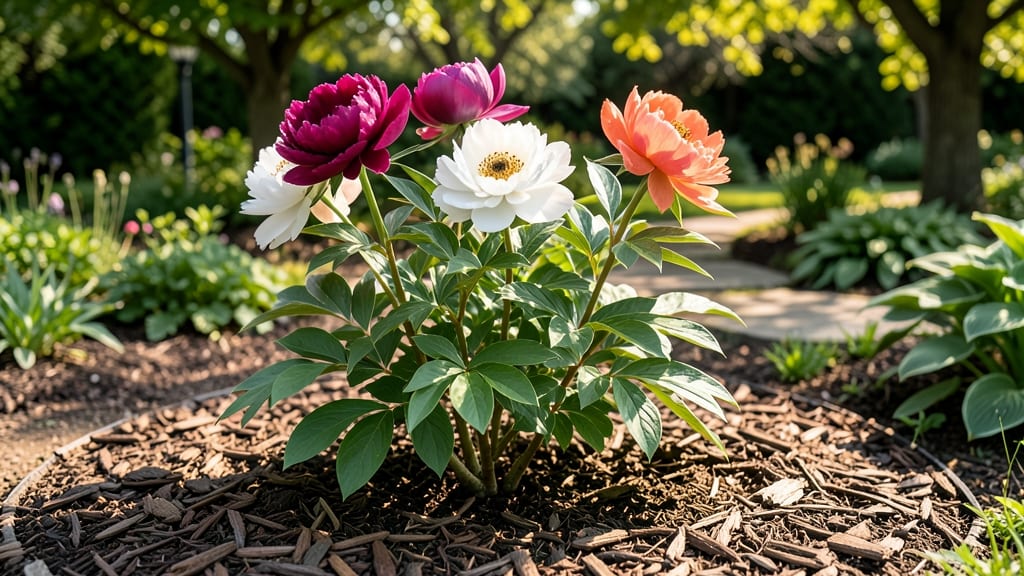
Peonies in Zone 9b grow best when planted in late fall or early winter to prevent summer heat stress; opt for heat-resistant cultivars like 'Sarah Bernhardt' or 'Bowl of Beauty' for reliable blooms in hot climates.
Timing matters more than you might think for peonies in Zone 9b's intense heat. 🌸 Planting during cooler months lets roots establish before summer arrives, while summer planting often leads to dormancy issues or weak growth.
I've seen firsthand how peonies planted in June struggle to bloom compared to those planted in November—the difference is dramatic. For best results, aim for planting between October and January, when soil temperatures stay mild and moisture levels are more consistent.
Heat-tolerant varieties aren't just about surviving—they're about thriving. 'Sarah Bernhardt' produces stunning pink blooms that can handle 95°F+ temperatures, while 'Bowl of Beauty' offers deep red flowers with excellent heat resistance. These cultivars also tend to have stronger root systems that help them recover from summer's intensity.
I recommend pairing your planting with regular watering during the first growing season to help them establish deeper roots before the next heatwave hits.
💡 In This Article
- Why Late Fall Planting Works Best for Zone 9b Peonies
- Top Heat-Tolerant Peony Varieties for Zone 9b Gardens
Why late fall planting works best for Zone 9b peonies
Peony bulbs are sensitive to summer heat because their growth cycle naturally aligns with cooler climates.
When planted in late fall (October-November), the bulbs experience a period of gradual root establishment during winter's mild temperatures in Zone 9b. This process, called vernalization, helps the roots develop a strong network before the plant enters its active growing phase in spring.
In contrast, summer planting forces the bulb to focus energy on leaf growth rather than root development, leaving it vulnerable to heat stress.
The science behind this involves cellular respiration rates. At temperatures above 85°F, peony bulbs experience increased metabolic activity that depletes stored carbohydrates needed for flowering.
This is why you'll often see peonies planted in summer struggling to bloom—they've essentially "burned through" their energy reserves trying to survive the heat. Late fall planting allows the bulbs to store energy efficiently during winter's cooler months, resulting in stronger stems and more abundant blooms the following spring. 🌱
Another critical factor is soil moisture retention. Zone 9b's summer heat causes rapid evaporation, which can dry out newly planted bulbs. Fall planting gives the soil time to absorb and retain moisture during winter rains, creating an ideal environment for root growth.
I've noticed that peonies planted in fall often emerge with 30-50% larger root systems by spring compared to those planted in summer, thanks to this head start in moisture availability.
Timing also prevents dormancy issues common in warm climates. Peonies require a period of dormancy to reset their growth cycle, and summer planting can disrupt this natural process.
When bulbs are planted in fall, they experience the necessary temperature fluctuations between 40-60°F that trigger dormancy, ensuring they'll bloom reliably the following season. This is particularly important in Zone 9b, where summer temperatures can remain consistently high for months at a time.
For best results, aim to plant peonies when soil temperatures are consistently below 70°F.
This typically occurs between October and January in most of Zone 9b. The cooler temperatures slow down microbial activity in the soil, reducing the risk of bulb rot while allowing roots to establish without competition from weeds or pests.
This careful timing is what transforms a peony from a struggling summer plant to a thriving perennial in your garden. 🌿
One common misconception is that peonies can be planted anytime they're dormant. While this is technically true, the quality of that dormancy period makes all the difference in Zone 9b's climate.
Planting in late fall gives your peonies the best chance to establish strong roots before facing the region's intense summer heat, setting them up for years of reliable blooming. The difference between a peony that barely survives and one that thrives often comes down to this precise timing.