
Planting
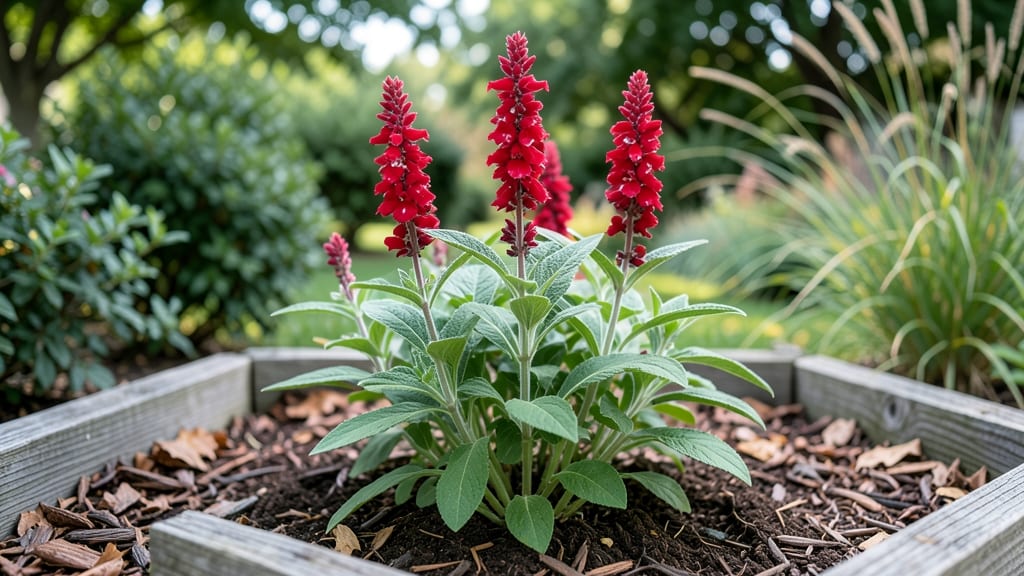
Pineapple sage plants are perennials in USDA zones 8-11, thriving for 3-5 years with proper care, though they often self-seed prolifically for extended growth. Cold-hardy varieties may regrow from the root in mild winters, while tropical types require annual replanting or winter protection.
This hardy herb's perennial nature comes from its woody stems and deep root system, which store energy to survive winter dormancy in zones 8-11. 🌱 The key to extending its lifespan beyond 5 years lies in proper pruning and soil health—especially in marginal zones where frost can damage foliage.
I've found that mulching with straw helps protect roots during cold snaps, while regular deadheading encourages new growth. What's fascinating is how these plants often outlive their expected lifespan when they self-seed, creating natural colonies that can persist for decades.
For gardeners in colder climates, treating pineapple sage as an annual or potted plant works best. The tropical varieties simply can't tolerate freezing temperatures, but their vibrant foliage makes them worth the effort to bring indoors before winter sets in.
If you're lucky enough to live in zone 8 or warmer, you'll discover these plants reward patience with bold purple blooms and that signature pineapple-scented foliage year after year.
💡 In This Article
- Why Pineapple Sage Thrives as a Perennial in Warm Climates
- Year-Round Care Guide for Long-Lived Pineapple Sage
Why pineapple sage thrives as a perennial in warm climates
Pineapple sage's perennial nature stems from its woody stems that develop after the first growing season, allowing it to store nutrients and survive winter dormancy. Unlike tender annual herbs, these stems contain vascular tissues that transport water and nutrients year-round, similar to how shrubs like rosemary persist through mild winters.
In zones 8-11, where winter temperatures rarely drop below 20°F, the plant's deep root system (extending 12-18 inches deep) acts as an energy reserve, enabling regrowth when conditions improve.
The plant's natural resilience comes from its tropical origins in Mexico and Central America, where it evolved to tolerate seasonal dry periods. 🌿 This drought tolerance translates well to warm climates where summer heat and winter droughts are common.
The leaves' waxy coating reduces water loss, while the roots seek moisture deep underground. What's particularly interesting is how pineapple sage enters a semi-dormant state during winter—shedding leaves but keeping its woody structure alive, ready to burst back with new growth when temperatures rise above 50°F.
In marginal zones (like zone 7), the plant behaves differently—often dying back to the ground but sometimes regrowing from the root crown if protected. This is where proper winter care makes all the difference.
The key mechanism here is root insulation: mulching with 3-4 inches of straw or leaves can raise soil temperatures by 5-10°F, protecting the crown from freezing. Without this protection, the plant's energy reserves deplete, forcing it to behave more like an annual in colder regions.
What sets pineapple sage apart from other perennials is its prolific self-seeding habit. The plant produces thousands of tiny seeds that scatter with the wind, creating natural colonies that can persist for decades. This adaptation ensures the species survives even when individual plants fail to overwinter.
In my own garden, I've watched these volunteers pop up in unexpected places, proving how resilient this herb truly is when given the right conditions.
The plant's temperature tolerance extends beyond winter survival—it thrives in summer heat up to 100°F when established, unlike many herbs that bolt or wilt.
This dual-season hardiness makes pineapple sage one of the most reliable perennial herbs for warm climates, especially when compared to basil (which dies in frost) or cilantro (which bolts in heat).
The combination of woody stems, deep roots, and self-seeding behavior creates a self-sustaining system that gardeners in zones 8-11 can rely on year after year.
For those pushing the limits in zone 7 or colder, the difference between perennial success and failure often comes down to one factor: how well you protect the root zone.
A simple layer of mulch can mean the difference between a plant that returns next spring and one that must be replanted annually.
This is why many gardeners in marginal zones treat pineapple sage as a short-lived perennial—it often lives 2-3 years with proper winter care, rather than the full 5-year lifespan seen in warmer zones.