
Planting
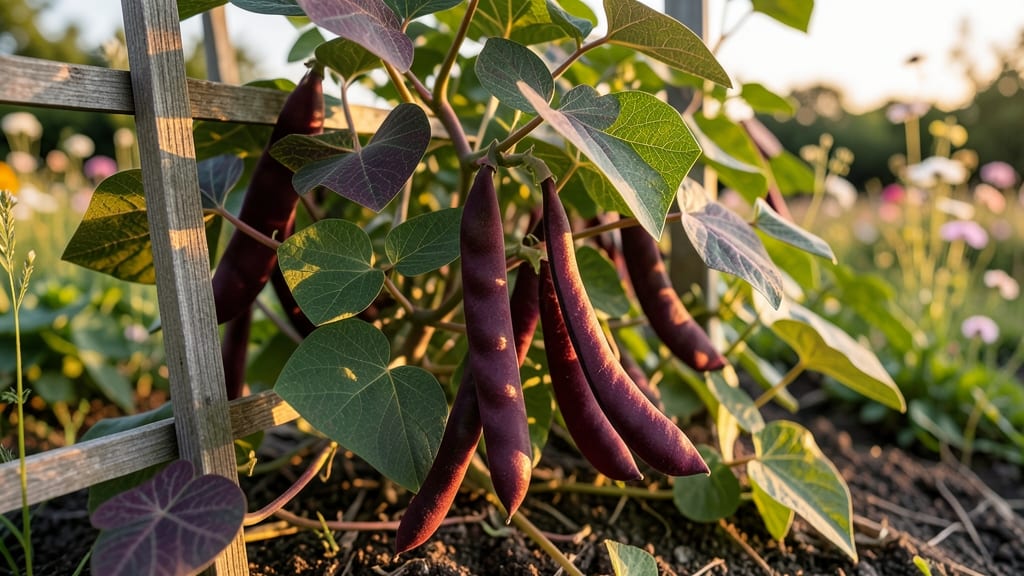
Transform your garden into a culinary masterpiece with these 10 stunning purple-leafed edible plants. Their vibrant hues make them perfect for ornamental gardens while their leaves, stems, and flowers add unique flavors to your kitchen creations.
Red Ruby Swiss Chard
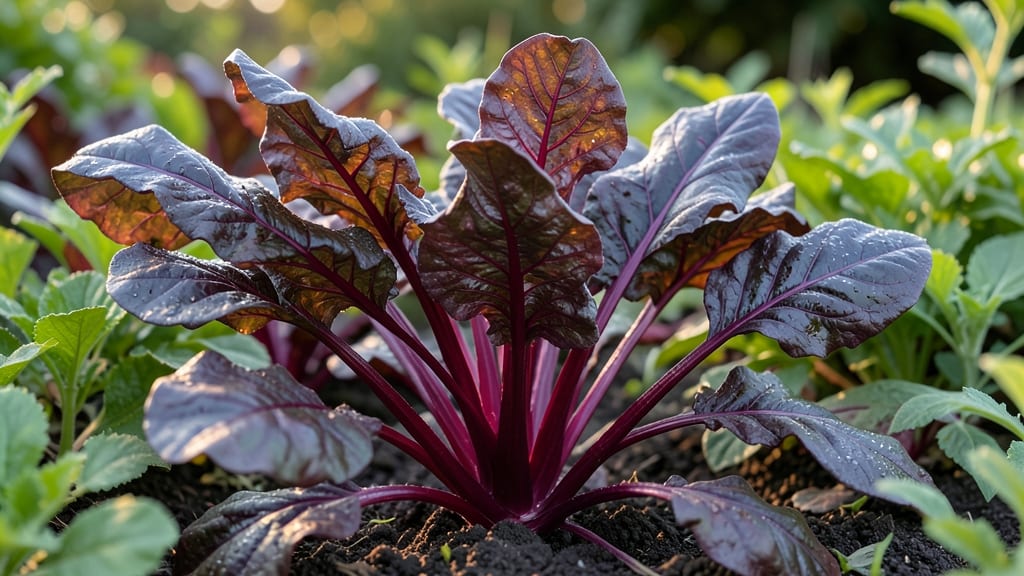
Looking for a purple leaf edible plant that doubles as a garden showstopper? Red Ruby Swiss chard delivers with its deep magenta stems and vibrant purple-tinged leaves, creating a striking contrast against green varieties. This isn’t just eye candy—it’s packed with calcium, vitamin K, and antioxidants, making it a powerhouse for both your plate and your garden beds.
This biennial chard thrives in cool weather, making it perfect for early spring or fall plantings. Give it full sun to partial shade and well-draining soil rich in organic matter. The magenta stems stay vibrant when harvested young, while mature leaves add a mild, slightly sweet flavor to salads, sautés, or steamed dishes. For continuous harvests, cut outer leaves first, allowing the center to regrow.
Ideal for urban gardeners or small spaces, Red Ruby grows just 12-18 inches tall and fits neatly in containers or raised beds. Its disease-resistant nature means less fuss for more flavor—plus, deer and rabbits usually avoid it! 🌱
Purple Kale Varieties
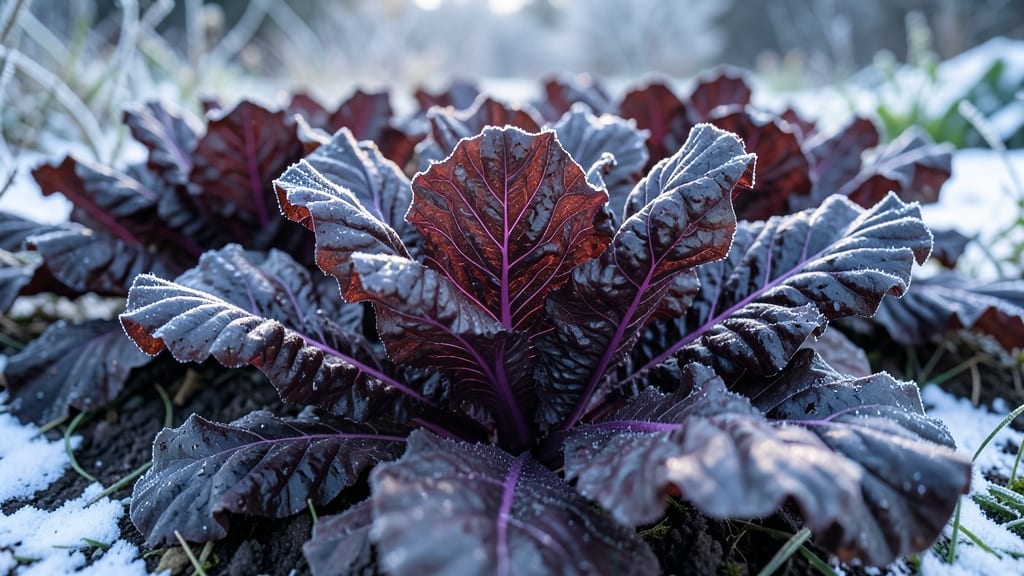
If you're looking for a cold-hardy plant that thrives in winter and packs a nutritional punch, purple kale varieties like Lacinato and Red Russian are your best bet. These deep burgundy leaves aren't just stunning—they're packed with 10x more antioxidants than spinach, making them a superfood for smoothies, chips, or massaged salads.
Plant purple kale in well-draining soil with full sun to partial shade, and it will reward you with tender leaves even after light frosts. Space plants 12-18 inches apart to allow airflow, reducing the risk of fungal diseases. Harvest outer leaves first to encourage continuous growth, and avoid overwatering to prevent root rot.
This hardy crop is perfect for gardeners in cooler climates or those who want a year-round harvest. Whether you're a health-conscious gardener or just love vibrant foliage, purple kale brings both beauty and nutrition to your plate. 🌱
Black Krim Tomatoes
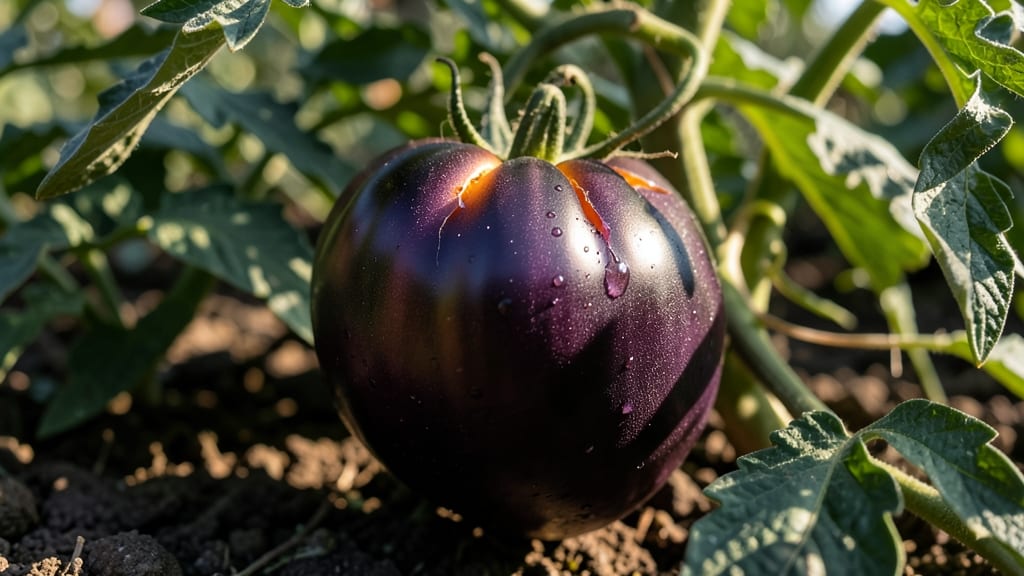
Want a tomato that’s as beautiful as it is delicious? Black Krim tomatoes deliver with their dramatic purple-black skins and sweet-tart flavor that elevates sauces, salsas, and fresh slices to gourmet status. These heirlooms are a showstopper in any garden bed or container.
This disease-resistant variety thrives in cool climates and produces abundant fruit with minimal fuss. Plant seeds after your last frost date, spacing them 2-3 feet apart, and provide sturdy cages or trellises to support their sprawling vines. The flavor deepens as temperatures drop, making them perfect for late-summer harvests.
Home gardeners will love how productive Black Krims are—each plant yields 10-20 pounds of fruit! Their rich color and complex taste make them a favorite for chefs and home cooks alike. 🌟
Purple Basil
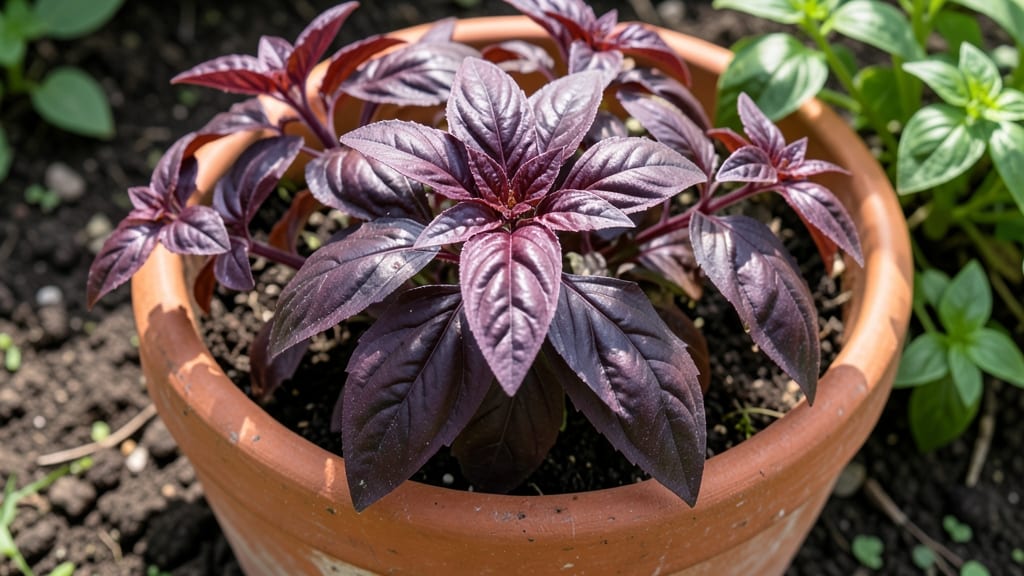
Skip the basic green basil—purple basil brings bold color and the same familiar anise flavor to your garden and kitchen. Its deep burgundy leaves create stunning visual contrast in containers or garden beds while staying just as productive as its green cousin.
This heat-loving annual thrives in full sun (6+ hours daily) and well-draining soil, making it perfect for patio pots or window boxes. Pinch back flowers to encourage bushier growth, and harvest leaves regularly to maintain vibrant color. The flavor is identical to green basil, so use it interchangeably in pesto, salads, or cocktails—just add a splash of color!
Urban gardeners and small-space growers will love how compact purple basil stays, yet its dramatic foliage makes it a showstopper. It’s the ideal plant for those who want both beauty and function without compromise. 🌻
Red Malabar Spinach
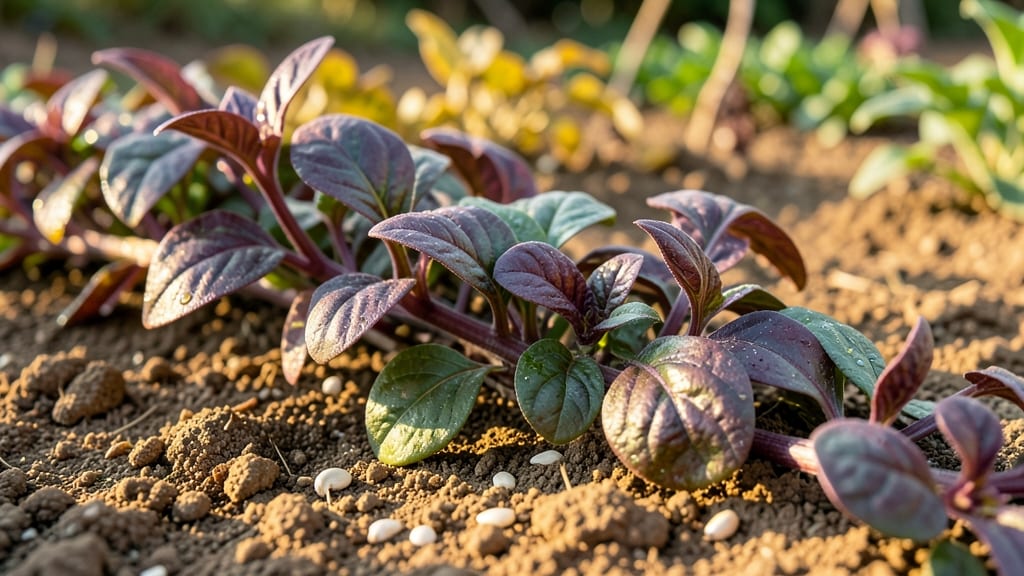
When your garden greens are wilting in the summer heat, Red Malabar spinach swoops in as the unsung hero. This fast-growing vine thrives in 90°F+ temperatures where most leafy greens would bolt, offering tender, purple-tinged leaves perfect for late-season harvests.
Plant seeds directly in well-draining soil with partial shade to protect young leaves from scorching. The vines can climb trellises or sprawl along fences, producing harvestable leaves in just 60 days. For best flavor, pick younger leaves raw in salads or stir-fry mature leaves for a slightly earthy, spinach-like taste. It’s also drought-tolerant once established, making it ideal for low-maintenance summer gardens.
Urban gardeners and container growers will love this plant—it’s perfect for small spaces and even thrives in hanging baskets. With its year-round productivity in warm climates, it’s the ultimate solution for keeping your kitchen stocked with homegrown greens when others fail. 🌿
Purple Dragon Carrots
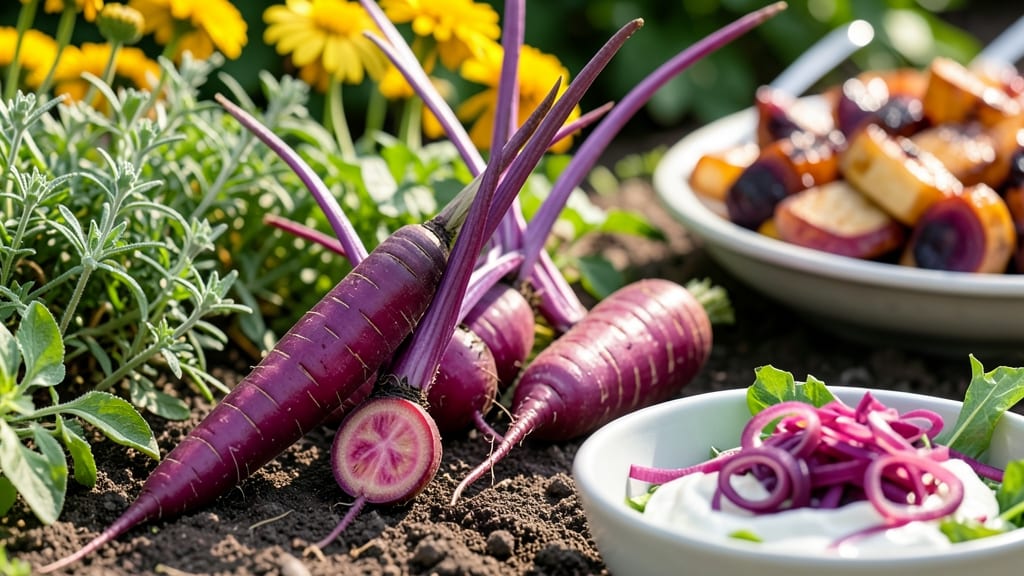
Want to turn your garden into a rainbow of flavor? Purple Dragon carrots are the showstopper you’ve been waiting for—these aren’t your average orange roots. Their deep purple flesh adds a striking visual punch to juices, salads, and roasted dishes while delivering a sweet, earthy crunch that’s even more vibrant than their color.
Grow them in well-draining soil with 6-8 hours of sun daily, and keep the soil consistently moist (but not soggy) for the first 60 days. Unlike traditional carrots, these varieties are less prone to forking, making them ideal for containers or small gardens. Harvest when roots reach 1-1.5 inches in diameter for the best texture and sweetness.
Perfect for gardeners who love dual-purpose plants—these carrots bring both beauty and bold flavor to your table. They’re especially great for those who enjoy experimenting with heirloom varieties and want to impress guests with their unique color. 🌻
Purple Cabbage
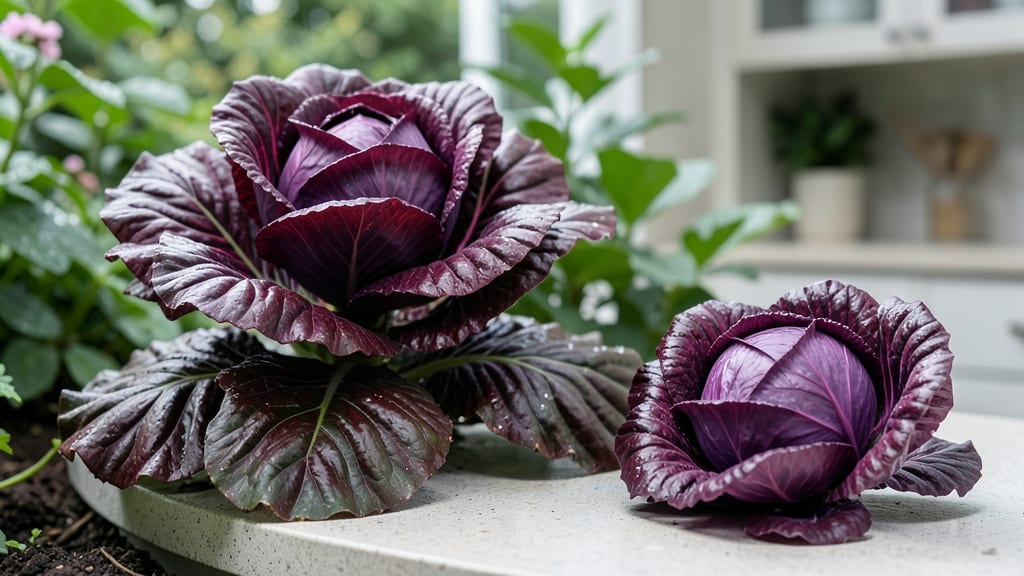
Want a plant that doubles as both a stunning garden centerpiece and a nutrient-packed kitchen staple? Purple cabbage delivers with its deep burgundy leaves packed with anthocyanins, the same antioxidants found in blueberries but in a crunchy, savory package.
This versatile plant thrives in cool weather and can be grown year-round in mild climates, making it perfect for spring or fall harvests. Use the outer leaves for fermented sauerkraut or quick stir-fries, while the inner leaves shine in coleslaw or roasted dishes. A single plant produces enough leaves to keep your kitchen colorful for months.
Gardeners who love both beauty and functionality will appreciate how purple cabbage's vibrant foliage adds drama to containers or garden beds while providing a nutrient boost to your meals. 🌻
Purple Sweet Potatoes
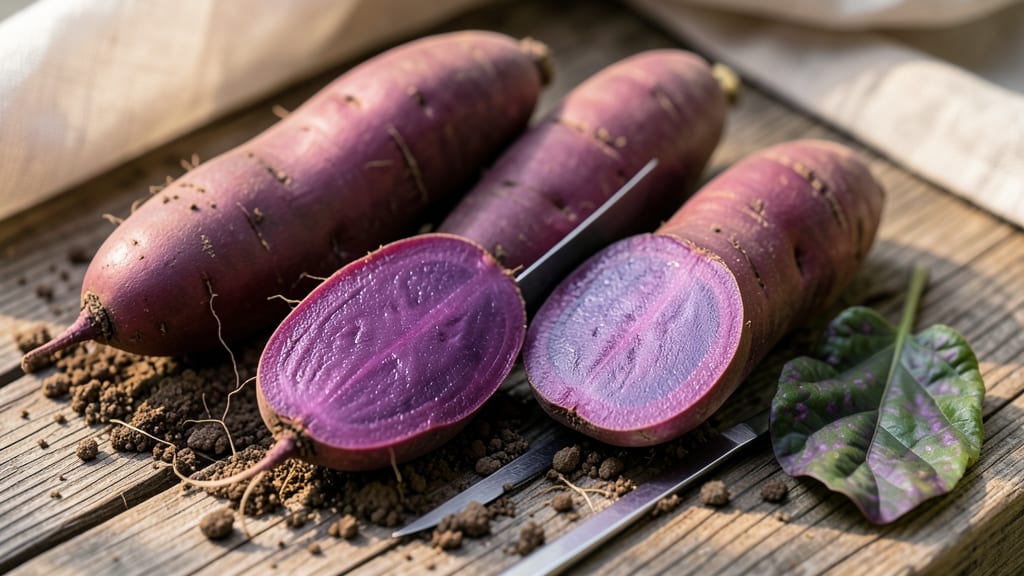
Looking for a showstopper that doubles as a superfood? Purple sweet potatoes bring dramatic color and intense nutrition to your garden and table. Their deep burgundy flesh isn't just beautiful—it's packed with anthocyanins, antioxidants that give them their striking hue and boost your health.
These tubers thrive in warm climates with full sun (6-8 hours daily) and well-draining soil. Start seeds indoors 10-12 weeks before your last frost or plant slips after all danger of frost has passed. The vines spread generously, so give them space—at least 12 inches apart—and consider growing them in raised beds for better drainage. Harvest when the vines yellow and die back, typically 90-120 days after planting.
Perfect for gardeners who want both beauty and bounty, purple sweet potatoes are ideal for small-scale farmers and urban gardeners with containers. Their vibrant color makes them a conversation starter at harvest time! 🌻
Purple Okra
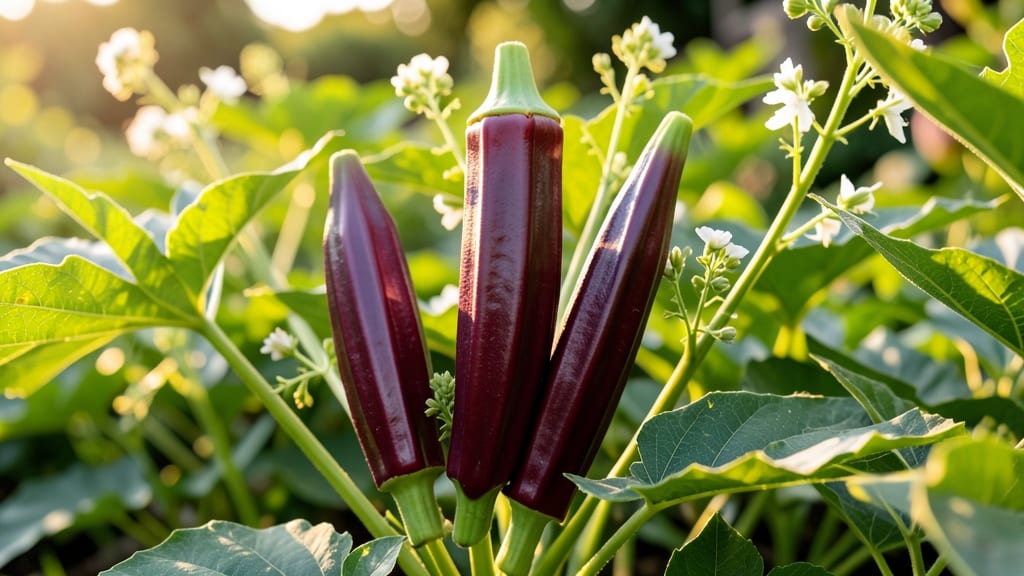
Want to turn your summer garden into a showstopper while adding a gourmet twist to your cooking? Purple okra brings bold deep burgundy pods that look stunning in dishes while delivering the same signature texture as green okra—but with visual flair that elevates any plate.
This heat-loving annual thrives in full sun (6+ hours daily) and well-draining soil with a pH of 6.0-6.8. Plant seeds directly after your last frost date, spacing them 12-18 inches apart for optimal airflow. Harvest pods when they're 2-3 inches long to maintain tenderness and encourage continuous production. The purple hue fades slightly when cooked, but the pods retain their unique sliminess perfect for gumbo, stews, or fried dishes.
Perfect for gardeners who love edible ornamentals, purple okra is especially rewarding for those in warm climates or container gardeners with sunny balconies. Its striking appearance makes it a conversation starter in the garden—and on the dinner table! 🌻
Purple Beans

Looking for a plant that doubles as both a stunning garden accent and a protein-packed ingredient? Purple beans bring bold color and nutrition to your table with their deep burgundy pods and earthy flavor.
These beans thrive in warm climates and prefer full sun with well-draining soil. Varieties like Purple Valentine or Jacob's Cattle produce striking pods that add visual drama to salads, soups, and rice dishes. They're also drought-tolerant once established, making them ideal for low-maintenance gardens.
Perfect for urban gardeners or those with limited space, purple beans grow well in containers and deliver high protein content—about 22g per cooked cup. Their unique color fades slightly when cooked, but the flavor remains rich and satisfying. 🌻