
Planting
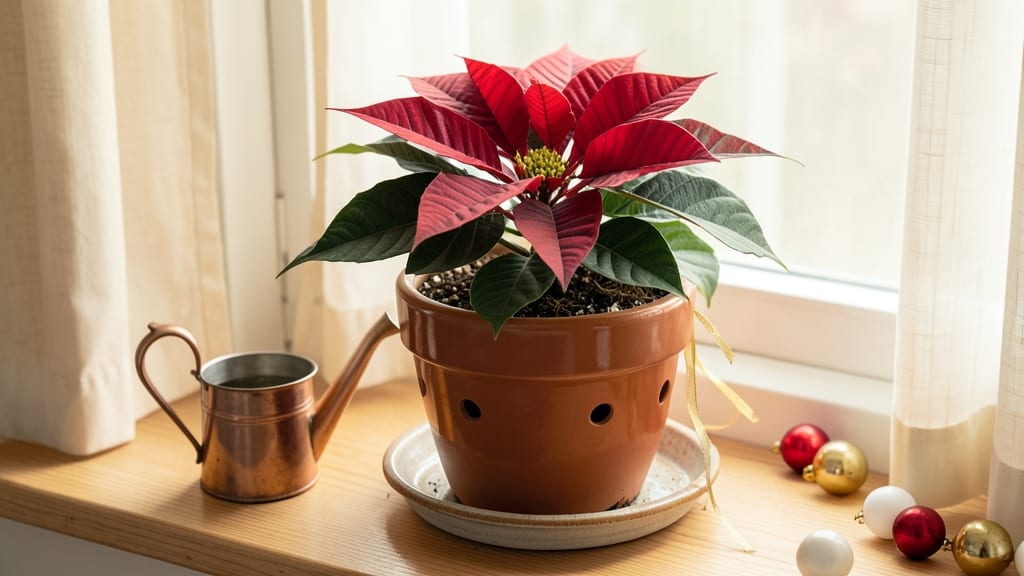
Caring for a red poinsettia means keeping those bold leaves vibrant for months, not just December. 🌿 I’ve learned the secret to year-round color—it’s not about luck, but about matching light, water, and temperature to what these tropical plants truly need.
Most people treat them like annuals, but with the right approach, yours can thrive for years.
The key starts with bright, indirect light—think east or west-facing windows, or a grow light for 6-8 hours daily. Overwatering is the #1 killer, so let the top inch of soil dry out between drinks.
Red poinsettias also love warmth (65-75°F) and humidity—misting leaves or placing a tray of water nearby keeps them happy, especially in dry winter air.
By summer, you’ll see new growth, and with strategic pruning (just above leaf nodes), you’ll encourage bushier plants. The real magic happens in fall when you adjust light to 12 hours of darkness—this triggers those iconic red bracts. It’s like teaching your plant to bloom on command.
Troubleshooting is easy once you know the signs: yellow leaves mean overwatering, while brown edges signal dry air. With these simple tweaks, your red poinsettia becomes a living centerpiece that outlasts the holidays—and next season’s care starts now.
📚 In This Guide
- What you need
- Instructions
- Tips and common mistakes
- Wrapping up and next steps
What you need
- ● Red poinsettia plant: Choose a healthy, mature plant (6–12 inches tall) from a nursery or garden center.
- ○ Well-draining potting mix: A blend of peat moss, perlite, and compost (1 part each) works best. Optional: Add a handful of orchid bark for extra aeration.
- ● 10–12 inch pot: Ensure it has drainage holes. Upgrade to a 14-inch pot if repotting after 2–3 years.
- ● Distilled or filtered water: Tap water can harm poinsettias due to chlorine/fluoride. Use room-temperature water only.
- ● Spray bottle (8–16 oz): For misting leaves to maintain humidity.
- ● Balanced liquid fertilizer (10-10-10 or 20-20-20): Dilute to half-strength for feeding.
- ● Pruning shears or clean scissors: Sterilize with rubbing alcohol before use.
- ○ Grow lights (optional): LED bulbs (5000–6500K) for 12–14 hours/day if natural light is insufficient.
- ● Bright, indirect light: A north or east-facing window, or 6+ hours of artificial light daily.
- ● Warmth (65–75°F): Avoid drafts, AC vents, or temperatures below 50°F.
- ● Patience for blooming: Poinsettias need 12+ hours of darkness daily for 6–8 weeks to trigger color.
Step-by-Step guide to keeping your red poinsettia thriving all year
Here's how to turn that holiday plant into a lush, colorful centerpiece that lasts beyond December.
🌱 Step 1: Understand Light Needs for Year-Round Color
Poinsettias crave bright, indirect light—think 6-8 hours daily of filtered sunshine. A south or west-facing window works best, but avoid harsh midday rays that scorch leaves. If your plant starts stretching toward the light with pale stems, it's getting too little. I always rotate mine quarter-turn weekly so growth stays even.
During winter, supplement with a grow light if natural light drops below 6 hours. Place it 12-18 inches above the plant for 12-14 hours daily. You'll notice leaves darken and lose their vibrant red when light is insufficient—that's your cue to adjust.
💧 Step 2: Master Watering Without Overdoing It
Check soil moisture by sticking your finger 1 inch deep—water only when it feels dry. Overwatering is the #1 killer of poinsettias, causing yellow leaves and root rot. I use room-temperature water and avoid letting the plant sit in saucers of water longer than 15 minutes.
In winter, when heating dries the air, your poinsettia will need water every 5-7 days. Watch for wilting leaves—this is a late warning sign. If you see brown leaf edges, it's usually from fluoride in tap water. Let water sit out overnight before using or switch to distilled water.
☀️ Step 3: Encourage Reblooming With Strategic Light Control
To get those show-stopping red bracts next year, you must trick the plant into thinking it's fall. Starting October 1, give your poinsettia 14 hours of darkness nightly for 2 months. Use a dark box or move it to a closet—no light leaks.
During the day, keep it in bright light as before. After 8 weeks, you'll see tiny buds forming. If you skip this step, your plant will grow leaves instead of flowers. I mark my calendar because missing even one night of darkness resets the whole process.
✂️ Step 4: Prune and Fertilize for Next Year's Growth
After blooming, trim stems back to 4-6 inches above the base. This encourages bushier growth next season. Use clean, sharp scissors and make cuts at a 45-degree angle just above a leaf node. Remove any yellow or damaged leaves immediately—they drain energy from the plant.
Feed every 2 weeks in spring/summer with a balanced 20-20-20 fertilizer diluted to half strength. Stop fertilizing in October to prepare for the reblooming cycle. You'll know you're doing it right when new leaves emerge bright green and stems stay sturdy.
🪴 Step 5: Overwinter Properly for Maximum Longevity
Reduce watering in late fall as growth slows. Your poinsettia will enter dormancy naturally. Keep it in moderate light (no direct sun) and water every 10-14 days. The goal is to keep leaves alive without encouraging new growth.
Never let it get below 55°F—cold drafts will kill it. If you're in a very dry climate, consider a humidity tray with pebbles and water. By mid-February, you can gradually return to normal care. This patience pays off when you see those first pink buds in October.
Tips & tricks for perfect red poinsettia care
Keeping your poinsettia vibrant year-round doesn't have to be complicated—just a few strategic tweaks make all the difference.
Light Positioning: The 6-8 hours of bright, indirect light in Step 1 is crucial, but placement matters just as much. Place your poinsettia near an east-facing window for morning sun without afternoon heat. If using a grow light, position it 12-18 inches above the plant and adjust the height as the plant grows. Too close and you'll scorch leaves; too far and the light won't be effective. I always test by holding my hand between the light and plant—if it feels warm, it's too close.
Watering Consistency: The 1-inch deep soil check in Step 2 is your best friend, but timing matters too. Water in the morning so excess moisture evaporates during the day. In winter, when heating dries the air, I set a reminder every 5-7 days to check moisture. If the soil feels damp at 1 inch, wait another day. Overwatering causes more problems than underwatering—yellow leaves are a clear warning sign.
Reblooming Secret: The 14 hours of darkness starting October 1 is non-negotiable for reblooming, but here's what nobody tells you: consistency is key. Use a black plastic bag over the plant works too—just make sure it's completely dark inside. I test my setup by shining a flashlight inside the bag; if you can see light, it won't work. Also, keep the daytime light bright—dim light during this period can prevent bud formation entirely.
Pruning Precision: When trimming back to 4-6 inches in Step 4, focus on making clean cuts at a 45-degree angle just above a leaf node. This encourages new growth from the base rather than the tips. I use sterilized scissors and wipe them with rubbing alcohol between cuts to prevent spreading any potential plant diseases. After pruning, give your poinsettia a good drink—this helps it recover faster from the shock of trimming.
Pro Tips for Red Poinsettia Plant Care
- Keeping your poinsettia vibrant year-round doesn't have to be complicated—just a few strategic tweaks make all the difference.
- Light Positioning: The 6-8 hours of bright, indirect light in Step 1 is crucial, but placement matters just as much.
- Watering Consistency: The 1-inch deep soil check in Step 2 is your best friend, but timing matters too.
Frequently asked questions
Got questions about keeping your red poinsettia thriving? You’re not alone! Here are some of the most common concerns—and straightforward answers—to help you enjoy vibrant blooms year after year.
How often should I water my red poinsettia?
Water your poinsettia when the top inch of soil feels dry. Overwatering is a common issue—stick to a consistent schedule (about once a week, depending on humidity) and ensure the pot has drainage holes. Yellow leaves or drooping stems? You might be overdoing it!
Can I keep my poinsettia alive after the holidays?
With the right care, your poinsettia can thrive for years. Place it in bright, indirect light, reduce watering in winter, and fertilize lightly every 4-6 weeks during spring and summer. Bonus tip: Prune it in early spring to encourage bushier growth!
Why are my poinsettia leaves turning yellow?
Yellow leaves usually signal overwatering, but they can also mean underwatering or nutrient deficiency. Check the soil moisture and adjust your watering routine. If yellowing spreads, trim the affected leaves and move the plant to a spot with better airflow. Too much cold draft? That’s another culprit!
Are there other colors of poinsettias besides red?
Yes! While red is classic, poinsettias come in pink, white, cream, and even burgundy varieties. If you love color variety, consider a ‘Ice Punch’ (white) or ‘Winter Rose’ (pink)—they follow the same care rules!
Is my poinsettia toxic to pets?
Poinsettias are mildly toxic to cats and dogs if ingested in large amounts, causing drooling or vomiting. Keep them out of reach, and wash your hands after handling if you have pets. The good news? They’re not as dangerous as some houseplants!
Wrapping up and next steps
Caring for your red poinsettia doesn’t have to be complicated—just follow a few simple steps to keep it thriving year-round! With the right balance of light, water, and a little TLC, you’ll enjoy its vibrant blooms for seasons to come. 🌟
Ready to take the next step? Experiment with different care routines to see what works best for your space—whether it’s adjusting light exposure or trying a new fertilizer blend. Your poinsettia will thank you with lush, colorful foliage that brightens up every room!