
Planting
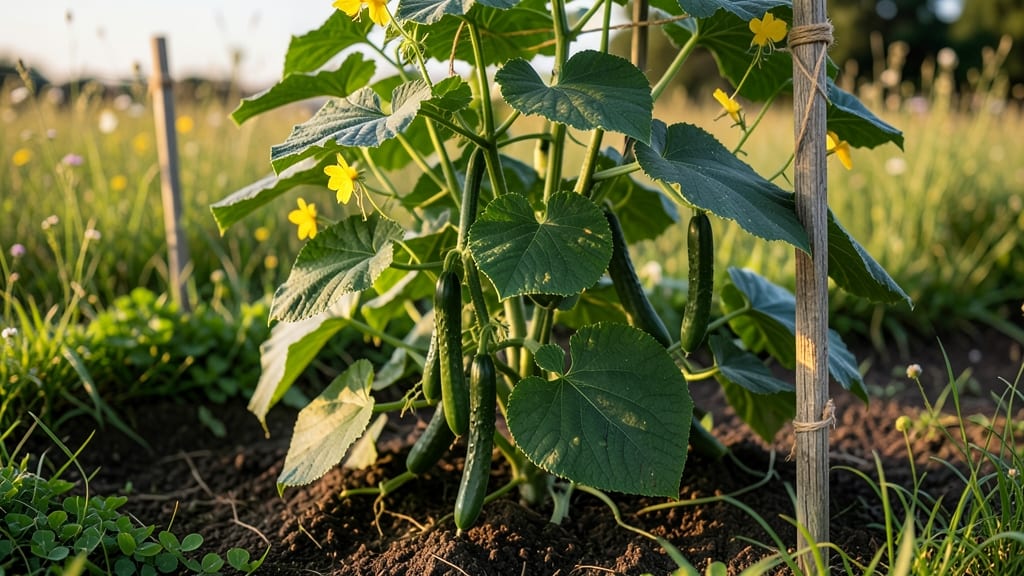
Japanese cucumber plant care transforms your garden into a jungle of sweet, crisp vines—without the fuss of sprawling messes. 🌿 I’ve grown them for years, and the secret lies in their long, trailing habit and delicate flavor that store-bought cucumbers can’t match.
These aren’t your average garden cucumbers; they’re the kind that make neighbors ask, "What are those?"—and then beg for seeds.
Their care is simpler than you’d think: well-draining soil, a sturdy trellis (they can climb 10+ feet), and consistent moisture without soggy roots. Unlike bush varieties, Japanese cucumbers reward patience with longer harvests—think 6-8 weeks of fresh, tender fruit if you keep them happy.
The key? Trellising early to avoid tangled vines and pruning just enough to encourage airflow.
You’ll end up with jewel-toned, bumpy-skinned cucumbers that burst with flavor—no bitterness, just sweet, crisp crunch. Even in small spaces, these vines thrive, producing 2-3 times more than compact varieties.
The best part? They’re disease-resistant when grown right, so you skip the chemical sprays and still get a bumper crop.
Perfect for balconies, greenhouses, or sunny corners of your yard—just give them 6+ hours of sun and a little elbow grease during their growing season. Here’s how to keep them climbing, producing, and stealing the show in your garden.
📚 In This Guide
- What you need
- Instructions
- Tips and common mistakes
- Wrapping up and next steps
What you need
- ● Japanese cucumber seeds (varieties like ‘Suyo Long’ or ‘Makino’—check seed packets for heirloom or hybrid types). Quantity: 3–5 seeds per pot or 1 seed every 12–18 inches in a garden.
- ● Well-draining potting mix (or garden soil amended with compost—aim for a pH of 6.0–6.8). Quantity: 5–10 gallons, depending on container size.
- ○ Containers (optional but recommended): Large pots (10–15 gallons) with drainage holes, or
- ● Fabric grow bags (for better aeration).
- ● Support structure: Trellis (4–6 ft tall), or
- ● Cage (for bushier varieties).
- ● Organic mulch (straw or shredded leaves) to retain moisture.
- ● Gloves (to protect hands from thorns—yes, they’ve got ‘em!).
- ● Trowel or small shovel for transplanting.
- ● Watering can or hose with a gentle spray nozzle.
- ● Fertilizer (balanced 10-10-10 or organic options like fish emulsion or compost tea).
- ● Pruning shears (for trimming vines and removing yellow leaves).
- ● Plant ties or soft twine (to secure vines to trellises gently).
- ● A sunny spot with 6–8 hours of direct sunlight daily.
- ● Warm soil (at least 60°F/15°C)—wait until after the last frost or use a greenhouse.
- ● Consistent moisture (cucumbers hate drying out!).
Step-by-step instructions for Japanese cucumber plant care
Here's how I grow vigorous, productive Japanese cucumber vines with minimal fuss—no overcrowding, no wilting, just steady harvests.
🌱 Step 1: Choose the Right Location and Prepare the Soil
Japanese cucumbers thrive in full sun—at least 6-8 hours daily. I pick the warmest, sunniest spot in my garden because these vines grow fast and need consistent warmth. Amend the soil with 2-3 inches of compost mixed into the top 6 inches to ensure good drainage and fertility. Japanese cucumbers hate soggy roots, so if your soil drains poorly, raise beds or use containers with drainage holes.
Test the soil pH before planting—Japanese cucumbers prefer 6.0-6.8. If your soil runs acidic, add dolomitic lime a few weeks before planting. I like to work in a handful of worm castings too; they introduce beneficial microbes that help roots absorb nutrients efficiently. The goal is loose, crumbly soil that holds moisture without compacting.
☀️ Step 2: Plant at the Right Time and Support the Vines Early
Wait until soil temperatures reach 70°F or warmer before planting—cold soil delays germination and stunts growth. I plant mine after the last frost when nighttime temperatures stay above 55°F. Space plants 24-36 inches apart in rows 4-5 feet apart to allow for trellising and airflow. Japanese cucumbers grow long, sprawling vines, so I install a 5-6 foot tall trellis or sturdy fence right at planting time.
Plant seeds ½ inch deep or set out transplants with roots spread out. Gently firm soil around the base but don't pack it down—you want air pockets for root development. The moment you see the first true leaves, start training vines upward. I tie stems loosely to the trellis with soft plant ties or old fabric strips. This prevents wind damage and keeps fruit clean and blemish-free.
💧 Step 3: Water Deeply and Consistently
Japanese cucumbers have shallow roots and demand 1-1.5 inches of water weekly, more during fruit production. I water deeply 2-3 times per week rather than daily shallow watering. The key is keeping soil evenly moist—never soggy, never dry. You'll know you're doing it right when the top 2 inches of soil feel damp but not wet.
Water at the base of the plant in the morning to reduce disease risk. Avoid wetting leaves, which can lead to powdery mildew. If you notice wilting in hot afternoons, give a quick drink—but don't overcompensate. Overwatering causes blossom-end rot and weakens vines. Mulch with 2-3 inches of straw or shredded leaves to retain moisture and keep roots cool.
✂️ Step 4: Prune and Harvest Regularly
Japanese cucumbers produce both male and female flowers. Female flowers develop into fruit, while male flowers don't. To encourage more female flowers (and thus more cucumbers), I pinch off the first few male flowers that appear. You'll recognize them by their long, slender stems—female flowers sit directly on the vine with a tiny cucumber forming behind the bloom.
Harvest cucumbers when they reach 6-8 inches long for the best flavor and texture. I check vines every 2-3 days because overripe cucumbers turn bitter and attract pests. Use pruning shears to cut stems cleanly, leaving ½ inch of stem attached. This prevents bruising and encourages more fruit to develop. Never pull cucumbers off the vine—it damages the plant and invites disease.
🌿 Step 5: Fertilize and Monitor for Pests
Feed plants with a balanced organic fertilizer (10-10-10) at planting, then again when vines start flowering. I switch to a low-nitrogen, high-phosphorus fertilizer (5-10-10) during fruiting to boost production. Too much nitrogen leads to leafy growth at the expense of fruit. Always water fertilizer into the soil to prevent root burn.
Watch for cucumber beetles, spider mites, and aphids—they love Japanese cucumbers. I use row covers early in the season to block pests, then switch to neem oil spray if I spot any damage. Remove yellowed or diseased leaves immediately to improve airflow. If powdery mildew appears, spray with a mixture of 1 tablespoon baking soda, 1 tablespoon vegetable oil, and 1 gallon of water weekly until the problem clears.
Tips & tricks for perfect Japanese cucumber plant care
Here's what I learned after growing Japanese cucumbers for years—the little details that make all the difference between a decent harvest and a bountiful one.
Sunlight Strategy: Japanese cucumbers need that full sun (6-8 hours daily), but here's the thing—morning sun is more important than afternoon. I've found that vines exposed to intense afternoon heat often develop sunburn spots, especially in hot climates. If you're in a region with brutal afternoon sun, provide some afternoon shade during peak heat months (July-August) to prevent leaf scorch while still getting those crucial morning rays.
Soil Prep Secret: The instructions mention compost and worm castings, but I take it a step further by adding a handful of kelp meal to the planting hole. Kelp provides trace minerals that help with vine strength and disease resistance. Plus, it breaks down slowly, feeding the plants throughout the growing season. If you don't have kelp meal, crushed eggshells work too—they add calcium which prevents blossom-end rot.
Trellis Training: When it comes to the 5-6 foot trellis, I've learned that the first few weeks are critical. Don't wait until vines are sprawling—start training them upward immediately when they reach 6-12 inches tall. I use soft fabric strips instead of plastic ties because they're gentler on the stems and won't leave marks as the vines thicken. Also, space your ties about 12 inches apart to prevent the vine from getting pinched between supports.
Watering Wisdom: The 1-1.5 inches of water weekly guideline is spot-on, but here's how I make it work better: I use a rain gauge to measure actual rainfall, then only add supplemental water when needed. For example, if you get 1.2 inches of rain in a week, you might not need any additional watering. Also, I water at the base using a soaker hose with a gentle flow—this prevents soil compaction that can occur with overhead watering or strong streams from a regular hose.
Pro Tips for Japanese Cucumber Plant Care
- Here's what I learned after growing Japanese cucumbers for years—the little details that make all the difference between a decent harvest and a bountiful one.
- Sunlight Strategy: Japanese cucumbers need that full sun (6-8 hours daily), but here's the thing—morning sun is more important than afternoon.
- Soil Prep Secret: The instructions mention compost and worm castings, but I take it a step further by adding a handful of kelp meal to the planting hole.
Frequently asked questions
Got questions about keeping your Japanese cucumber plants happy? You’re not alone!
Here are some of the most common concerns—and straightforward answers—to help you grow like a pro.
How often should I water Japanese cucumbers?
Japanese cucumbers need consistent moisture—about 1 to 1.5 inches of water per week, especially during fruiting. Water at the base of the plant (not the leaves) to prevent fungal issues. Let the top inch of soil dry out between waterings to avoid root rot. Mulch helps retain moisture and keeps roots cool!
When is the best time to harvest Japanese cucumbers?
Harvest when cucumbers are 6 to 8 inches long and still firm for the best flavor and texture. Use pruning shears or a sharp knife to avoid damaging the vine. Pick regularly to encourage more production—overripe cucumbers can stunt growth. Pro tip: Morning harvests reduce pest activity!
What are the most common pests for Japanese cucumbers, and how do I prevent them?
Watch for aphids, cucumber beetles, and spider mites. Prevent pests with neem oil sprays or companion planting (try nasturtiums or marigolds). For beetles, use row covers early in the season. Remove damaged leaves promptly, and keep the garden weed-free to reduce hiding spots.
Can I grow Japanese cucumbers in containers? What size pot do I need?
Yes! Japanese cucumbers thrive in 5-gallon containers or larger with good drainage. Choose a pot at least 12 inches deep and use a lightweight potting mix. Add a trellis or cage for vertical growth—this saves space and improves air circulation. Just ensure the container stays consistently moist!
How do I overwinter Japanese cucumbers if I live in a cold climate?
Japanese cucumbers are annuals, so they won’t survive winter outdoors. Save seeds by letting a few cucumbers fully ripen on the vine before harvesting. Store seeds in a cool, dry place. For next year, start seeds indoors 4–6 weeks before your last frost date or use a greenhouse for early planting.
Wrapping up and next steps
Growing Japanese cucumbers is a rewarding journey that blends simplicity with delicious results! With the right soil, sunlight, and care, these vines will flourish, gifting you crisp, flavorful cucumbers in no time.
Whether you’re a seasoned gardener or a beginner, these tips make the process effortless—so roll up your sleeves and enjoy the harvest!
Ready to take the next step? Start planting today and watch your garden transform into a thriving cucumber paradise! 🌱✨