
Planting
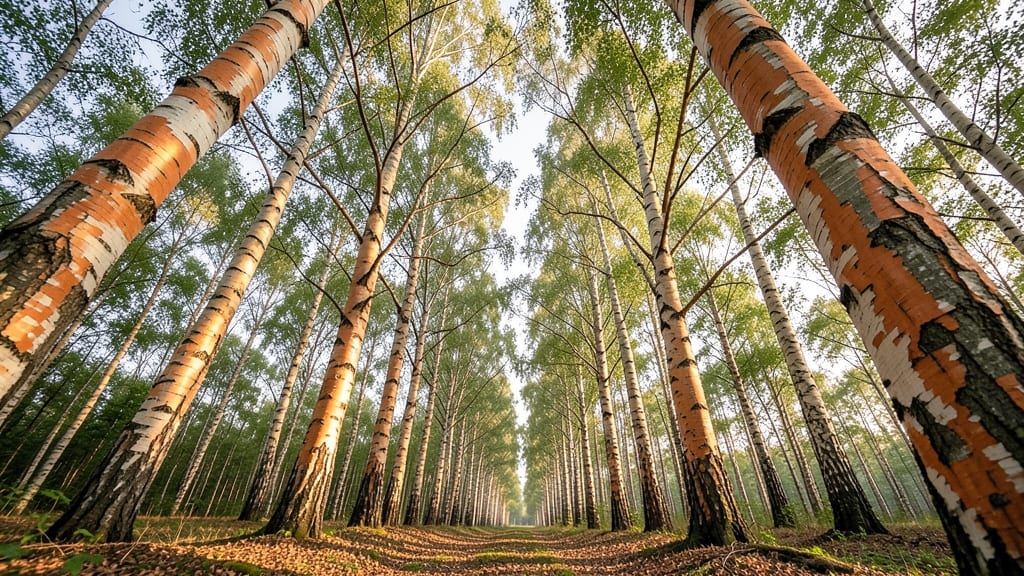
River birch trees add stunning bark texture and seasonal color to landscapes—but planting them too close can stunt growth or invite disease. These spacing secrets ensure your birch trees thrive for decades while maximizing visual impact and garden efficiency.
Minimum Spacing for Small Landscapes
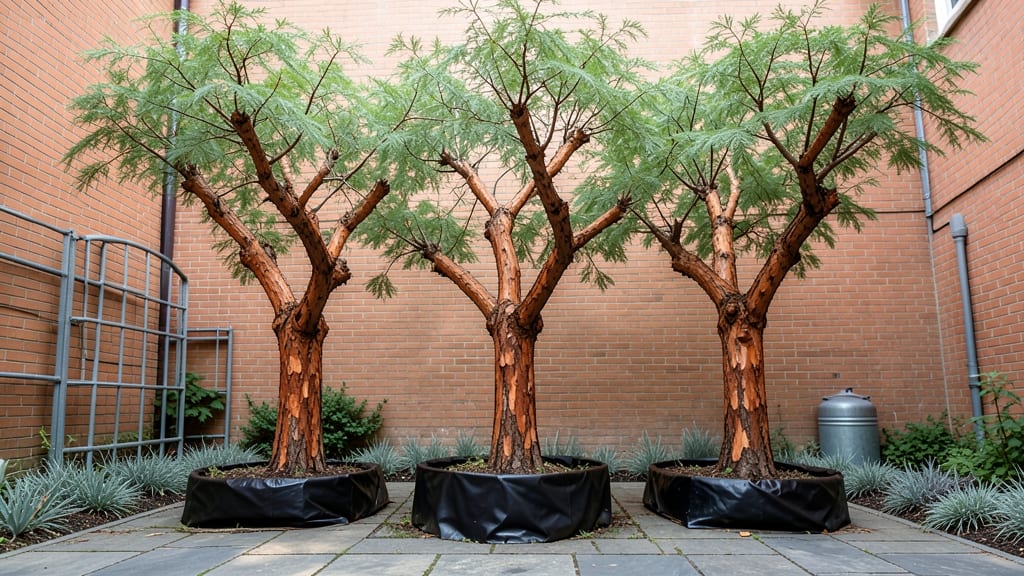
Urban gardeners and small-space enthusiasts, rejoice—you can still enjoy the dramatic beauty of river birch without sacrificing precious square footage. In tight landscapes, proper spacing isn’t just about fitting trees in; it’s about creating a visually stunning display while ensuring each tree has room to develop its iconic peeling bark and strong root system.
For small landscapes, aim for a minimum of 10–15 feet between saplings, especially if you’re planting multiple trees in a row or cluster. This spacing allows roots to spread without competing aggressively, while still creating a cohesive, eye-catching display. Use mulch rings to define planting zones and reduce water competition, which is critical in urban soils that often lack organic matter. If your space is truly limited (think narrow side yards or courtyard gardens), consider dwarf varieties like 'Fastigiata' and space them just 8–10 feet apart.
This approach works beautifully for city dwellers, balcony gardeners, or anyone with a postage-stamp-sized yard. With thoughtful spacing, you’ll enjoy the year-round interest of river birch—from spring catkins to autumn gold—without the headaches of overcrowded trees. 🌿
Optimal Spacing for Full Sun Exposure
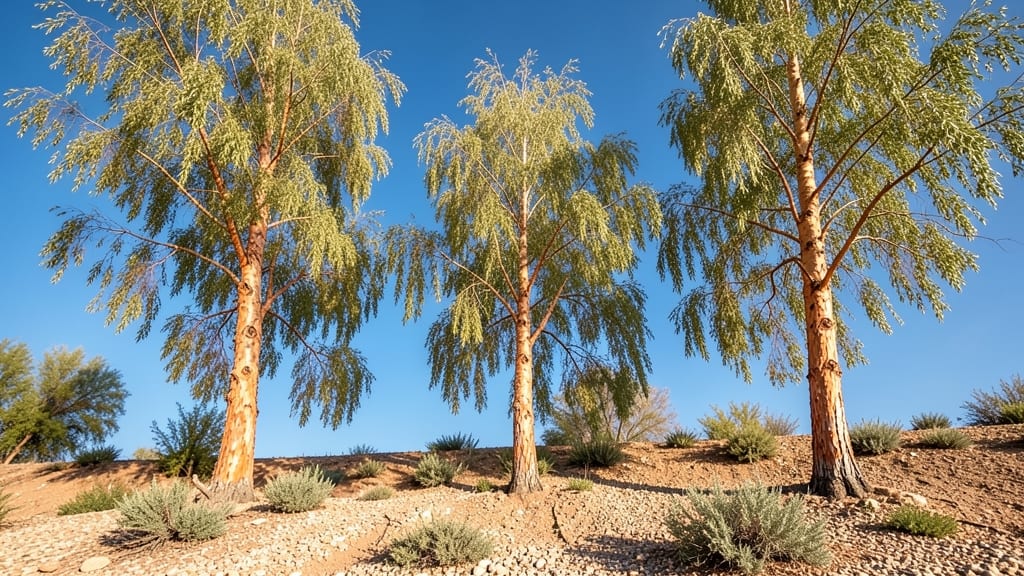
Sun-drenched southern or western exposures demand extra care when planting river birches—their love for sunlight comes with a trade-off: fungal risks from poor airflow. The key to thriving trees in these hot spots lies in strategic spacing that balances their need for sun with their need to breathe.
For full sun conditions, space river birches 20–25 feet apart to ensure each tree gets ample airflow at canopy level. This spacing prevents moisture buildup on leaves and bark, reducing the risk of birch borer infestations and fungal diseases like powdery mildew. In particularly hot climates, consider adding a 3-foot buffer zone around each trunk to further enhance airflow.
This approach is ideal for gardeners in arid regions or those with western-facing lawns, where afternoon sun intensifies. Proper spacing now means fewer pruning headaches—and more stunning peeling bark—later. 🌟
Spacing for Wet Soil Conditions
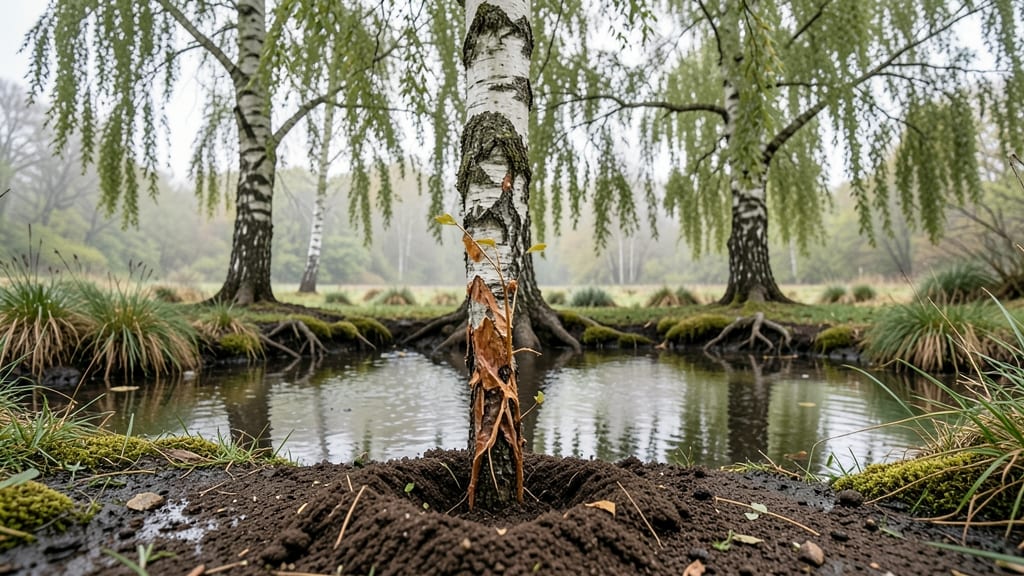
If your garden stays soggy after rain or sits near a pond, river birch trees can still thrive—but only if you space them right. Unlike drought-tolerant species, these trees love moisture, but their roots need room to breathe to avoid root rot in waterlogged soil.
For wet soil conditions, plant saplings 15–20 feet apart to allow roots to spread without crowding. This spacing mimics their natural habitat along riverbanks, where roots access both moisture and oxygen. Avoid compacting soil around the base, and consider raised beds or swales to improve drainage if your area floods frequently.
This approach is perfect for bog gardens, rain gardens, or low-lying yards where other trees struggle. With proper spacing, your birches will grow tall with stunning peeling bark—without the risk of disease. 💚
Group Planting for Privacy Screens
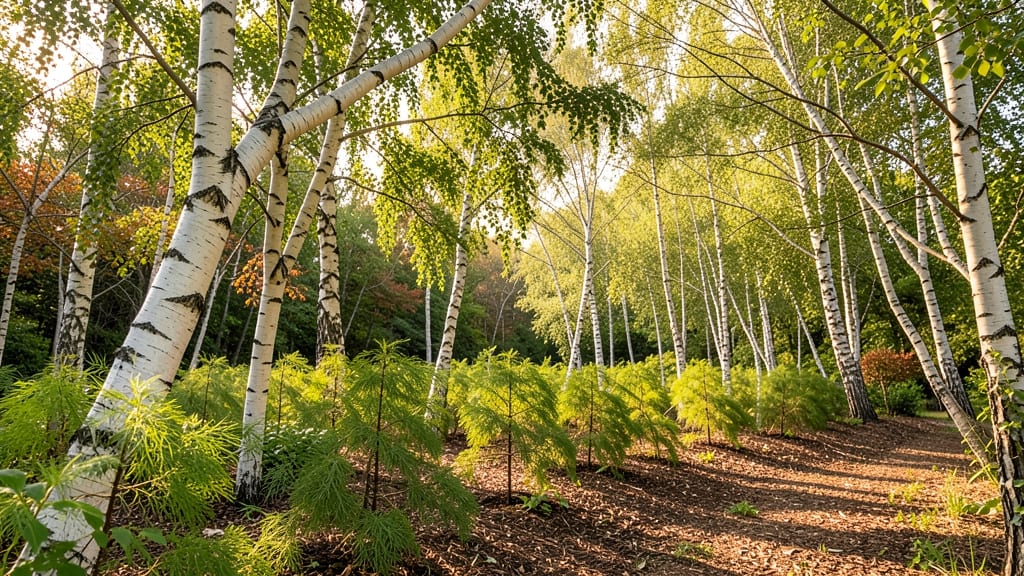
Want a natural privacy screen that feels like a breath of fresh air—not a rigid fence? Group planting river birches creates a living, wind-filtering barrier that grows more beautiful with each season while keeping your space intimate and serene.
For a lush, dense screen, space river birch saplings 8–12 feet apart in staggered rows. This spacing gives roots room to establish while allowing branches to intertwine naturally, creating a year-round privacy shield with minimal gaps. Mulch heavily at the base to retain moisture and suppress weeds, which is especially helpful in the first two growing seasons when roots are shallow. Avoid planting in tight, grid-like patterns—offset each row by 3–4 feet to mimic a forest’s organic structure.
This approach is perfect for urban gardeners with small yards or those seeking a low-maintenance alternative to wooden fences. The peeling bark adds visual interest, and the trees’ layered canopies block noise while letting light filter through. 🌟
Spacing for Windy Coastal Areas
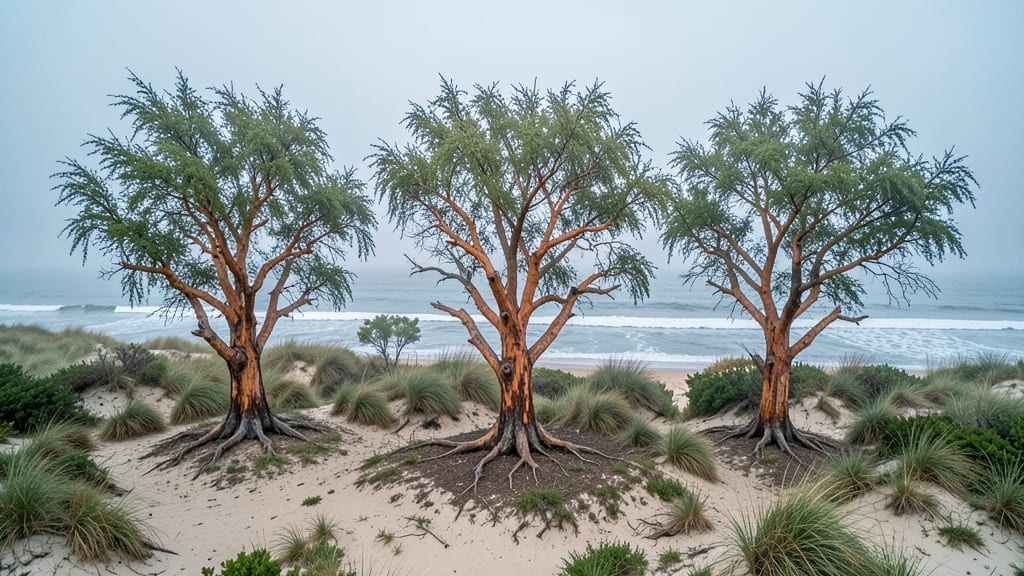
If your garden faces relentless coastal winds, river birch trees need a special spacing strategy to thrive. Unlike sheltered yards, exposed areas require wider gaps to prevent windthrow—where strong gusts uproot or snap trees. The key is spacing them 25–35 feet apart, allowing trunks to develop thicker, more resilient wood naturally.
Plant birches in a slightly staggered formation (like a loose grid) to reduce wind resistance across the row. This mimics how trees grow naturally in windy ecosystems, creating a self-supporting windbreak over time. For extra protection, plant them on the lee side of dunes or windbreaks, where soil is deeper and less prone to erosion. Mulch heavily to stabilize roots during storms.
This technique is perfect for beachfront properties, barrier islands, or exposed hilltops where other trees struggle. Your birches won’t just survive—they’ll develop iconic peeling bark and sturdy canopies that define coastal landscapes. 🌟
Understory Planting with Shrubs
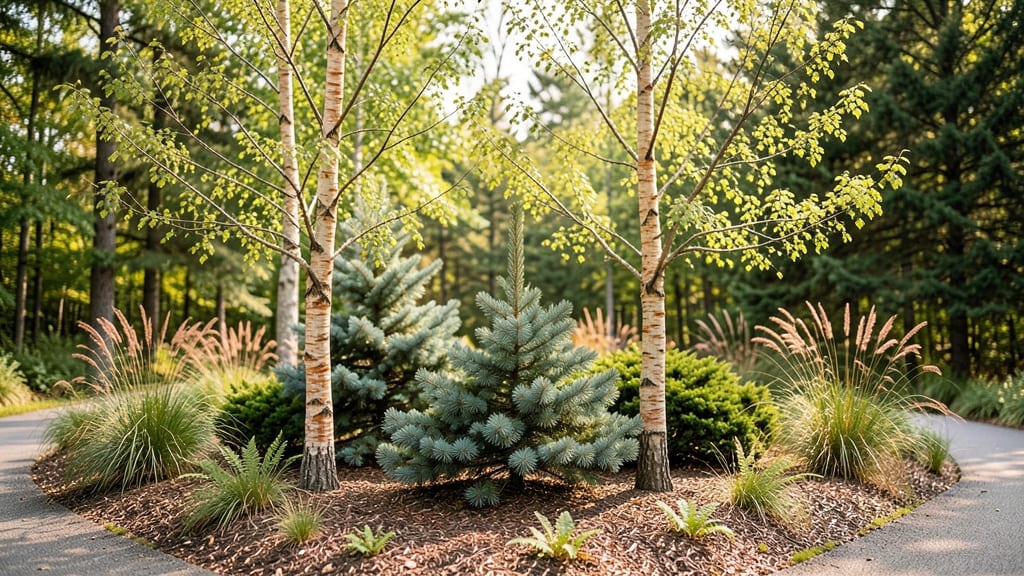
Create a woodland retreat without sacrificing space by pairing river birches with dwarf conifers or ornamental grasses. This layered approach mimics natural forest ecosystems while keeping your garden lush and manageable.
Plant river birch saplings 10–15 feet apart to allow mature growth, then fill the understory with 3–4 foot tall shrubs like inkberry holly or dwarf Japanese garden junipers. The birch’s dappled shade will protect moisture-loving grasses like feather reed grass, while the shrubs add texture and year-round interest.
Perfect for gardeners who love low-maintenance, high-impact designs, this method reduces mowing while creating a dynamic, ever-changing landscape. 🌿
Spacing for Container Grown Birches
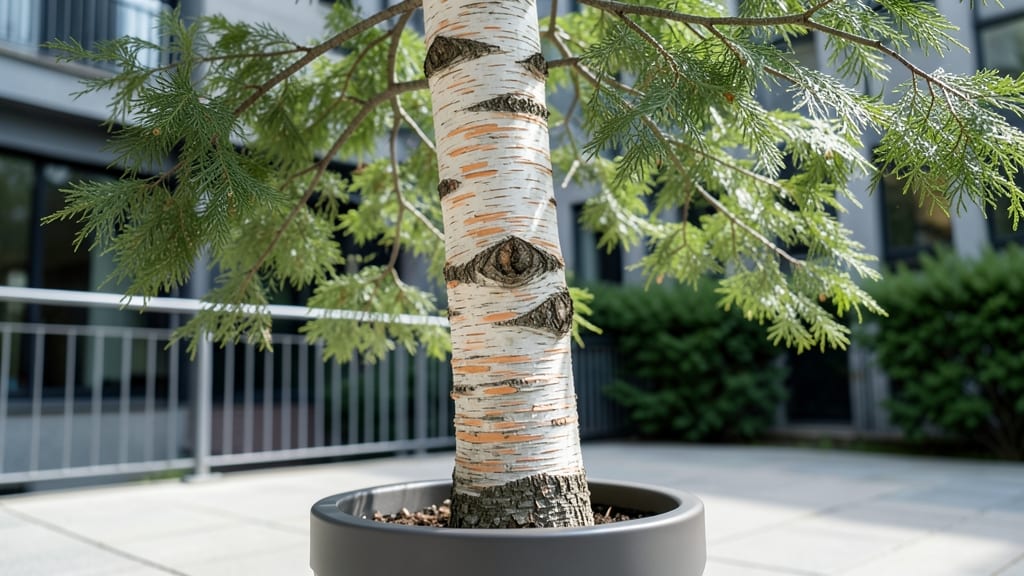
Even city dwellers can enjoy the stunning peeling bark of river birches—with the right container strategy. Unlike in-ground planting, container-grown birches need careful spacing to prevent root circling while showcasing their signature exfoliating bark.
Choose containers at least 24–36 inches in diameter for young birches, with 12–18 inches of depth to accommodate their extensive root systems. Space multiple containers 8–12 feet apart to allow airflow and prevent competition, while still creating a cohesive visual display. Use lightweight, well-draining mixes with 50% organic matter (like composted bark) to mimic natural soil conditions.
This approach works best for urban gardeners or balcony enthusiasts who want the beauty of birches without the yard space. The key is balancing root health with that eye-catching bark display! 🌱
Restoration Planting for Erosion Control
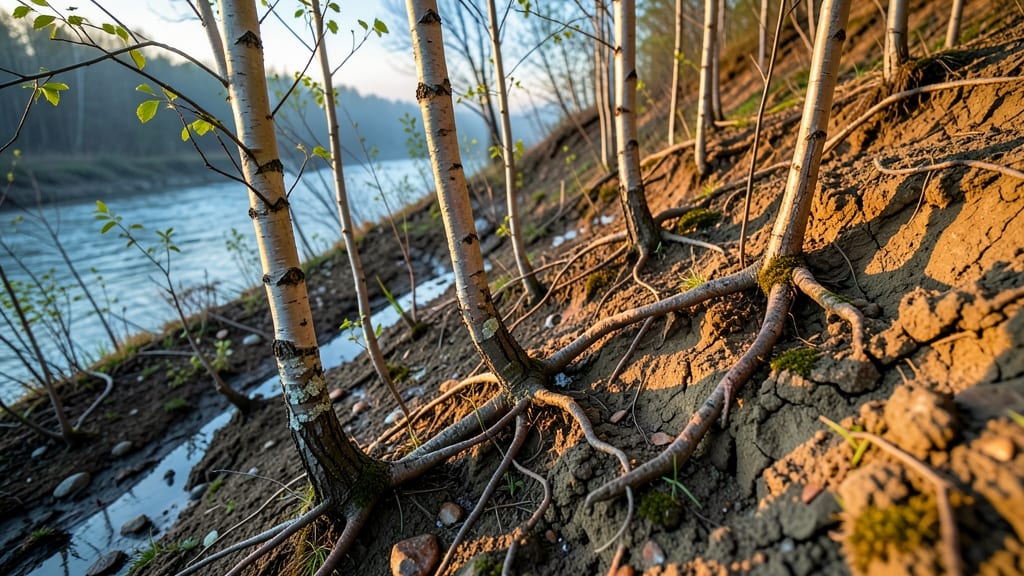
When restoring eroded slopes or riverbanks, river birch isn’t just a decorative choice—it’s an ecological powerhouse. Its aggressive root system spreads quickly, binding soil and preventing further erosion while creating wildlife habitats. For restoration projects, spacing becomes a critical tool for maximizing stability.
Plant saplings 10–15 feet apart in staggered rows to create a dense, interconnected root network. This spacing allows roots to interlock while leaving room for rapid lateral growth—essential for anchoring loose soil. In high-risk areas like riverbanks, reduce spacing to 8–10 feet and plant in contour lines to follow natural water flow. Mulch heavily with wood chips to retain moisture and suppress invasive weeds.
This method is perfect for conservationists, land managers, and gardeners focused on long-term ecological health. The right spacing ensures your birches don’t just survive—they revitalize the landscape. 🌱
Spacing for Mixed Species Plantings
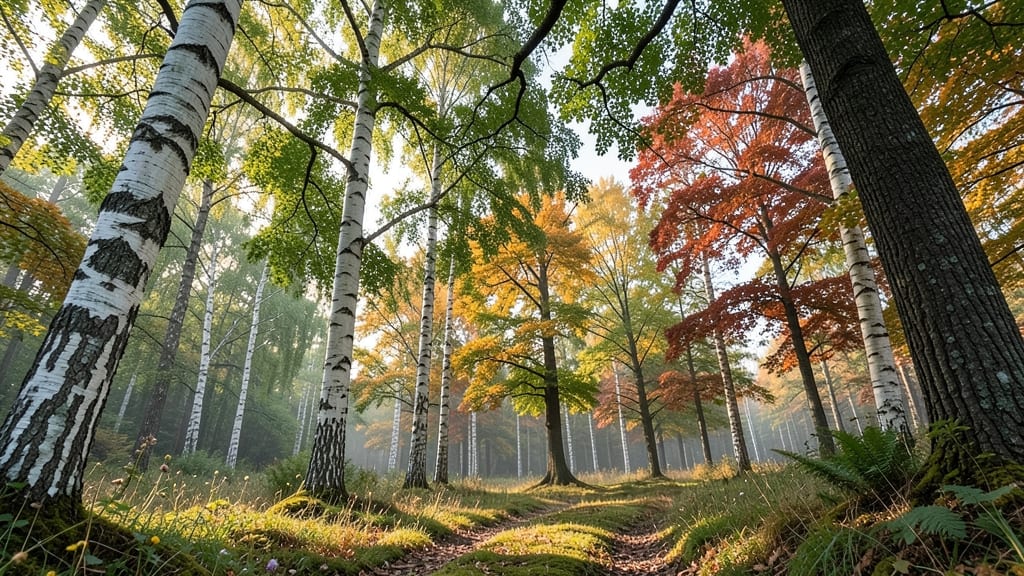
Transform your garden into a thriving ecosystem by pairing river birches with oaks or maples. This natural alliance boosts biodiversity, naturally repels pests, and creates a layered, dynamic landscape that mimics wild forests—while keeping your trees healthier and more resilient.
Plant river birches 15–20 feet apart from oaks or maples, allowing their canopies to eventually intertwine without competing for sunlight. The acidic leaf litter from oaks enriches the soil, while birches add moisture-loving roots that complement maples' drought tolerance. This combo also confuses pests like borers, as the mixed scents deter infestations.
Perfect for woodland gardeners or those restoring native habitats, this approach turns your yard into a low-maintenance, self-sustaining haven. Your future self will thank you for the shade, wildlife, and effortless beauty! 🌟
Long-Term Spacing for Future Pruning

Thinking ahead saves you years of ladder work and pruning headaches—river birches can reach 40-70 feet tall with a spread of 30-50 feet! By spacing them 25-35 feet apart now, you’ll avoid the need for heavy structural pruning later while maintaining a natural, open canopy that lets sunlight reach the ground.
This forward-thinking spacing also prevents root competition and reduces disease risk by improving airflow between trees. For urban gardens where space is tight, consider dwarf varieties spaced 15-20 feet apart—they’ll still mature with minimal pruning needs. The key is to mimic their natural growth habits.
This approach is perfect for homeowners planning a low-maintenance landscape or those who want to enjoy their birches without constant upkeep. Your future self will thank you! 💪