
Planting
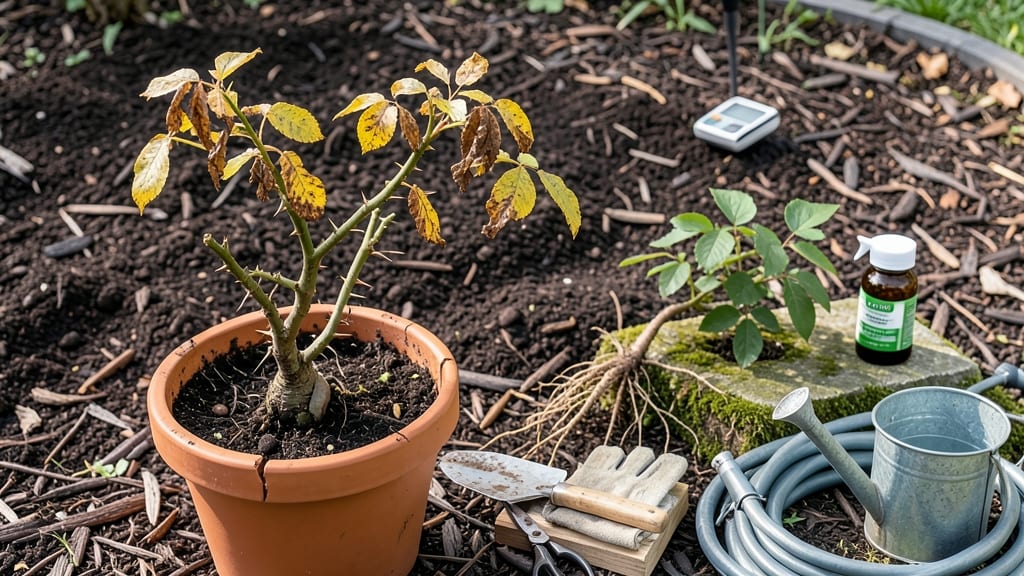
Your rose bush dying after transplant isn’t dead—it’s just in transplant shock, and we can turn this around in 7 days. 🌿 After moving plants, even the hardiest roses struggle with the stress of uprooting, and without the right care, they can wilt fast.
The good news? Root shock is temporary, and with targeted watering, shade, and soil adjustments, your bush can bounce back stronger than ever.
Most people overwater or underwater during this critical period, both of which smother roots. Instead, keep soil evenly moist (not soggy) and use a root stimulator to jumpstart recovery. I’ve revived roses that looked hopeless by focusing on hydration balance and protecting them from midday sun for the first week.
The key is patience—roots regenerate slowly, but they will come back.
By day 7, you’ll see new growth if you’ve kept the soil moist and shaded. Prune any dead branches now to redirect energy, and add a layer of mulch to lock in moisture.
The goal is to mimic the conditions of a healthy, established plant while giving roots time to re-establish. Think of it as a reset button for your rose.
If no improvement after 10 days, check for pests or fungal issues (like black spot) that could be masking root shock. But in most cases, this method works—my own Knock Out roses have made full comebacks after transplants using these exact steps. Let’s get your bush back on track.
Root Shock And Stress Triggers
Transplanting a rose bush is like giving it a mini identity crisis—its roots suddenly find themselves in unfamiliar soil, exposed to new conditions, and struggling to adapt. When a rose bush wilts, yellows, or even dies after being moved, root shock and environmental stress are often the silent culprits.
Understanding these triggers is the first step to reviving your plant before permanent damage sets in.
Root shock occurs when a plant’s delicate root system is disrupted during transplanting, leading to water uptake failure, nutrient starvation, or even root death. Here’s why it happens—and how to spot it:
- Physical Root Damage - Even careful digging can sever fine feeder roots (the tiny hairs responsible for 90% of water and nutrient absorption). - Circling roots (common in container-grown roses) can strangle themselves when planted too deeply, cutting off oxygen flow. - Actionable fix: Soak roots in room-temperature water for 1–2 hours before replanting to rehydrate damaged cells.
Trim any blackened or mushy roots with sterilized scissors.
- Oxygen Deprivation - Roots need aeration to breathe.
Compacted or waterlogged soil suffocates them, leading to anaerobic conditions (where roots drown in their own moisture). - Signs: Leaves turn dark brown or purple, stems feel soft and spongy. - Fix: Amend heavy soil with perlite or sand (20% mix) to improve drainage.
Avoid replanting in soggy ground—wait until soil is 60% moisture (stick test: push a finger in; if it comes out clean, it’s ready).
- Hydration Imbalance - Transplanted roses often overcompensate by drinking too much water, overwhelming damaged roots. - Red flags: Wilting within 24 hours (even with water) or leaf scorch (brown edges). - Pro tip: Water deeply but infrequently post-transplant.
Use a moisture meter to aim for 40–60% soil moisture—not soggy, not bone-dry.
Even with healthy roots, temperature swings, wind, and poor light can push a struggling rose over the edge. These factors accelerate transpiration (water loss) faster than roots can replenish it.
- Extreme Heat or Cold - Roses transplanted in peak sun (10 AM–4 PM) or below 50°F (10°C) go into shock. - Symptoms: Leaf drop, buds failing to open, or stunted growth. - Solution: Provide 3–5 days of shade (use frost cloth if temps drop).
For heat stress, mulch heavily (3–4 inches of straw) to keep roots cool.
- Wind Burn
- Fast-moving air dries leaves before roots can hydrate them, causing crispy edges or sunken spots.
- Quick fix: Install a windbreak (bamboo stakes + mesh) or group roses together to create a microclimate.
- Poor Soil Conditions - Nutrient deficiencies (lack of phosphorus or potassium) weaken recovery. - pH imbalances (roses thrive at 6.0–6.5; test with a kit) lock out essential minerals like iron or magnesium. - Action: Mix compost and a balanced fertilizer (10-10-10) into the planting hole.
For acidic soil, add sulfur; for alkaline, use peat moss.
Stressed roses are magnets for pests and diseases that finish them off.
Watch for: - Aphids or Spider Mites 🕷️: Cluster on new growth, sucking sap → yellowing leaves, sticky residue. - Treatment: Spray with neem oil or soapy water (1 tsp dish soap + 1 quart water). - Root Rot (Phytophthora) 💀: Thrives in waterlogged soil, turning roots black and mushy. - Prevention: Ensure drainage holes in containers; avoid overhead watering. - Powdery Mildew 🍄: White fuzzy coating on leaves = fungal infection from high humidity. - Fix: Apply baking soda spray (1 tsp baking soda + 1 quart water + few drops of soap) weekly.
A rose bush doesn’t die from one problem—it’s usually a combination of:
- Root shock (physical damage + oxygen loss) → reduced water uptake.
- Environmental stress (heat/wind) → increased water loss.
- Pests/disease → compromised immunity.
Example: If you transplant a rose on a hot, windy day into compacted clay soil, its roots can’t absorb water fast enough to replace what’s lost—wilting happens within hours. Add aphids to the mix, and the plant’s energy is drained fighting invaders instead of recovering.
Key Takeaway: Most "dying after transplant" cases are preventable with root care, smart timing, and stress reduction. The next section will show you how to reverse the damage in 7 days—before it’s too late.
Quick Fixes for Reviving Your Rose
When your rose bush looks like it’s throwing in the towel after a transplant, don’t panic—there’s still time to turn things around! The key is acting fast and addressing the root cause (literally).
Below are practical, step-by-step solutions tailored to the most common issues, plus tips to keep your rose bush thriving long-term.
Signs: Wilting, yellowing leaves, slow growth, or a general "sick" appearance within days of transplanting.
How to Fix It
- 💧 Hydrate Deeply (But Smartly) - Water the soil thoroughly—not just a quick sprinkle.
Stick your finger 2 inches into the soil; if it’s dry, give it a long drink. - Use a soaker hose or drip irrigation to avoid disturbing the roots further.
Water at the base, not the leaves, to prevent fungal diseases. - Pro Tip: 💡 Morning watering is best—it gives roots time to absorb moisture before evening heat evaporates it.
- 🌡️ Adjust the Temperature Stress
- If transplanting in hot or cold weather, shield the bush from extreme temps. Use a light shade cloth (like a breathable fabric) during peak sun if it’s scorching.
- Avoid transplanting when temps are below 50°F (10°C) or above 90°F (32°C).
- 🌿 Prune Strategically (But Sparingly)
- Trim only the most damaged or dead branches—never more than 1/3 of the bush at once. This reduces stress on an already weakened plant.
- Sterilize your pruners with rubbing alcohol to prevent bacterial infections.
- 🛡️ Protect with a Root Tonic - Mix 1 tbsp of seaweed extract or compost tea into the watering can and apply it to the soil.
These natural stimulants help boost root growth and resilience. - Pro Tip: 🌡️ Avoid chemical fertilizers for the first 2–3 weeks—they can burn stressed roots.
Signs: Black, mushy roots, excessive wilting despite watering, or roots pulling away from the soil when gently tugged.
How to Fix It 1. 🔪 Inspect and Trim Damaged Roots
- Gently remove the bush from the pot or soil and rinse the roots with water to check for damage.
- Use sterilized scissors to cut away any black, soft, or slimy roots (these are dead).
Healthy roots should be firm and white/tan. - Pro Tip: ✨ Disinfect your tools between cuts to prevent spreading disease.
- 🌿 Repot in Fresh, Well-Draining Soil
- Choose a slightly larger pot (only 1–2 inches wider) with drainage holes.
- Use a mix of:
- 50% high-quality potting soil
- 30% perlite or coarse sand (for drainage)
- 20% compost (for nutrients)
- Pro Tip: 🔥 Avoid garden soil—it compacts easily and can suffocate roots.
- 💧 Water Lightly but Frequently
- Keep the soil moist (not soggy) for the first 7–10 days. Overwatering can drown fresh roots.
- After 2 weeks, gradually return to a normal watering schedule.
- 🛡️ Apply a Fungal Preventative
- Sprinkle crushed cinnamon or copper fungicide around the base to prevent rot. Reapply every 2 weeks if needed.
Signs: Leaf scorch (brown edges), sudden wilting, or leaves curling inward.
How to Fix It
- 🌿 Acclimate Gradually to Sun
- If moving from shade to full sun, introduce it slowly:
- Day 1–3: 2–3 hours of morning sun.
- Day 4–7: 4–5 hours, split between morning and afternoon.
- After 2 weeks: Full sun exposure.
- Pro Tip: 🌡️ Avoid afternoon sun for the first week—it’s the harshest.
- If moving from shade to full sun, introduce it slowly:
- 🌡️ Mulch to Regulate Soil Temp
- Spread 2–3 inches of organic mulch (like straw or wood chips) around the base (but not touching the stem).
- This keeps roots cool in summer and warm in winter.
- 💨 Improve Airflow
- If the bush is in a crowded or humid spot, move it to a slightly breezier area to reduce stress.
Signs: Spots on leaves, sticky residue (aphids), holes in foliage, or white powdery growth.
How to Fix It
- 🔍 Identify the Culprit
- Fungal issues? Look for powdery mildew (white dust) or black spots.
- Pests? Check for aphids (sticky sap), spider mites (tiny webs), or borers (sawdust-like frass).
- 🛡️ Treat Naturally First
- For fungal diseases:
- Spray with a 1:10 water-vinegar mix or neem oil solution (1 tsp neem oil + 1 tsp mild soap per quart of water).
- For pests:
- Aphids: Blast off with water or spray soapy water.
- Spider mites: Wipe leaves with rubbing alcohol (1 part alcohol to 4 parts water).
- Borers: Apply beneficial nematodes to the soil.
- For fungal diseases:
- 🌿 Strengthen the Plant’s Defenses
- Feed with a balanced, water-soluble fertilizer (10-10-10) 4 weeks after transplanting to boost recovery.
- Pro Tip: 💡 Avoid over-fertilizing—it stresses the plant further.
Once your rose bush is back on track, keep it happy with these easy maintenance habits:
- ⏰ Transplant at the right time: Early spring or fall (when temps are mild).
- 🌱 Choose the right pot: Ensure it’s 1/3 larger in diameter than the root ball.
- 💧 Water consistently: Deep and infrequent (better than shallow daily watering).
- 🌿 Prune regularly: Remove dead or crossing branches in late winter to encourage airflow.
- 🍄 Monitor for pests: Weekly inspections catch problems early.
- 🌡️ Mulch annually: Refresh mulch in early spring to lock in moisture.
Remember: Roses are tough—they just need a little patience and TLC after a transplant. With these fixes, your bush should show signs of recovery within 7–14 days! 🌹💪
Frequently asked questions
How long does it take for a rose bush to recover from transplant shock?
Most rose bushes show signs of recovery within 7–14 days if given proper care. Focus on keeping the soil evenly moist and providing 3–5 days of shade during the first week. New growth should appear within 2 weeks, but full recovery may take up to 4–6 weeks depending on the severity of root damage.
Can I save a rose bush with completely blackened roots?
It depends! If only the outer roots are blackened, trim them back to healthy tissue and replant in fresh, well-draining soil. However, if the majority of roots are mushy and black, the bush may not survive. In this case, try propagating from healthy canes or start fresh with a new plant.
Why is my rose bush wilting even after watering it?
Wilting after watering often signals root shock or poor soil drainage. Check if the soil stays soggy for hours—this can suffocate roots. Amend with perlite or sand to improve aeration, and water deeply but less frequently. If wilting persists, inspect for pests like aphids or fungal diseases that may be draining the plant.
Is it better to transplant roses in spring or fall?
Both seasons work, but early spring (March–April) is ideal for most climates. Fall transplants should happen 6–8 weeks before frost to allow roots to establish before winter. Avoid transplanting during peak heat (summer) or extreme cold (winter), as these conditions increase stress.
How do I know if my rose bush is dead or just struggling?
Gently tug on a branch—if it snaps easily (not bends), the bush is likely dead. Check for green tissue inside stems or new buds—these are signs of life. If the roots are firm and white (not black/mushy), the plant can still recover with proper care. Give it 10–14 days before declaring it hopeless.