
Planting
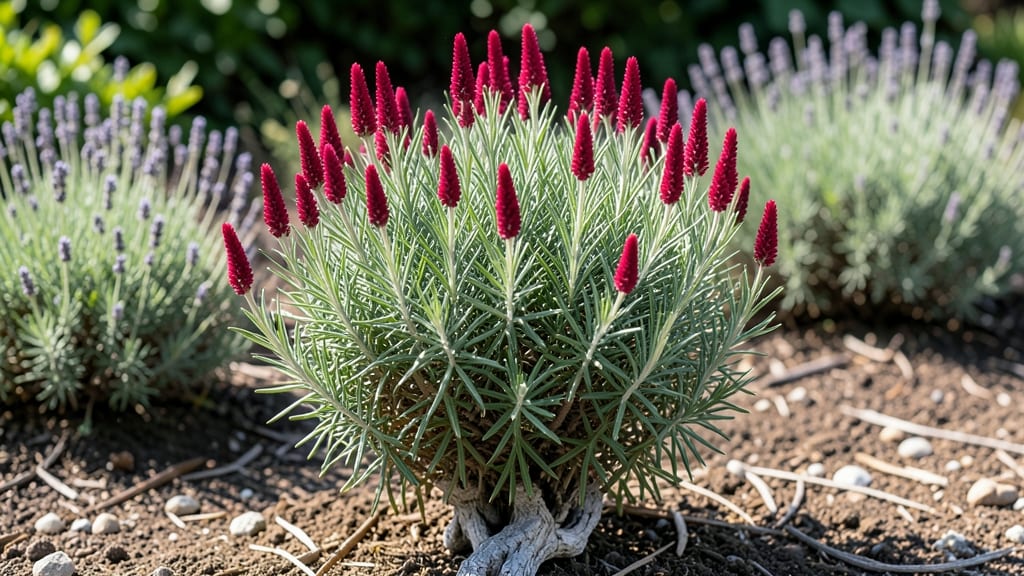
That first flush of bold purple-red blooms on your rosemary plant is the best kind of surprise—like finding a hidden treasure in your herb garden. 🌿 I’ve grown red rosemary for years, and it’s not just about the striking flowers (though they’re showstoppers).
It’s the way this variety thrives with minimal fuss, offering both kitchen magic and garden drama. The secret to those vibrant blooms starts with full sun and well-draining soil—no soggy roots allowed. Most gardeners overwater rosemary, but this drought-tolerant plant actually prefers to dry out between drinks.
A light hand with the hose keeps it lush and flowering all season long, even in hot summers. By mid-spring, you’ll see those deep red spikes emerge, attracting bees and hummingbirds while adding a pop of color to your patio or windowsill.
The leaves stay fragrant and flavorful too, perfect for roasting meats or infusing olive oil. It’s the kind of plant that works as hard as it looks. Whether you’re growing it in pots or the ground, red rosemary adapts beautifully.
Just avoid heavy clay soil, and you’ll have a plant that’s as resilient as it is stunning. Let’s get those purple blooms growing!
📚 In This Guide
- What you need
- Instructions
- Tips and common mistakes
- Wrapping up and next steps
What you need
- ● Red rosemary plant (Rosmarinus officinalis 'Rosengarten' or similar cultivar) – 1 healthy nursery-grown plant or 3-5 cuttings (4-6 inches long) for propagation.
- ● Well-draining potting mix or garden soil – 5-10 gallons, amended with perlite or sand (20-30% by volume) to prevent root rot.
- ● Pot or garden bed – 12-18 inches deep and wide (for potted plants) or full sun exposure (6+ hours/day) in a garden.
- ● Pruning shears or sharp scissors – For trimming and shaping.
- ● Organic fertilizer – Balanced (10-10-10) or slow-release rosemary-specific fertilizer (follow package instructions).
- ● Watering can or hose with a gentle spray nozzle – Rosemary hates soggy roots!
- ● Mulch (gravel or straw) – To retain moisture and deter weeds (rosemary dislikes competition!).
- ● Grow lights (for indoor setups) – LED full-spectrum lights (12-14 hours/day) if natural light is limited.
- ● Epsom salt (magnesium sulfate) – 1 tbsp per gallon of water monthly for vibrant foliage and blooms.
- ● Supportive trellis or cage – If growing in a container to help the plant stay upright.
- ● Drip irrigation system – For automated, low-stress watering in garden beds.
How to grow stunning red rosemary with purple flowers
This bold, flowering rosemary variety thrives with just a few key adjustments to standard care.
☀️ Step 1: Choose the Perfect Sunny Location
Red rosemary demands full sun exposure—at least 6-8 hours daily. A south-facing window or outdoor spot gets the best results. I always test my location first by placing a plant there for a week before transplanting—wilting leaves mean it needs more light.
The purple blooms only appear when the plant receives consistent sunlight. If you're growing in containers, rotate them weekly so all sides get even exposure. You'll notice new growth leaning toward the light within days of proper placement.
🪴 Step 2: Plant in Well-Draining Soil with Space to Grow
Use a lightweight, sandy potting mix that drains quickly—red rosemary hates soggy roots. I blend regular potting soil with 30% perlite or coarse sand to improve aeration. For in-ground planting, amend heavy clay soil with 2-3 inches of compost mixed into the top 12 inches.
Space plants 3-4 feet apart to allow airflow and prevent fungal issues. Red rosemary grows upright but can spread, so give it room to mature. Plant at the same depth as its container to avoid stressing the roots—you'll see stronger stems and more abundant blooms when the plant isn't fighting for stability.
💧 Step 3: Water Deeply but Infrequently
Water when the top 2 inches of soil feel completely dry. I check by sticking my finger in—if it comes out clean, it's time to water. Red rosemary stores water in its woody stems, so frequent light watering encourages weak growth. When watering, soak the soil until it drains from the bottom.
Overwatering causes root rot, which turns leaves yellow and drops buds before they open. If you notice wilting, water immediately, but don't let the plant sit in wet soil. In containers, ensure drainage holes are clear—clogged holes trap moisture and invite disease.
✂️ Step 4: Prune to Encourage Bushier Growth and Flowers
Prune in early spring by cutting back one-third of the plant's length to stimulate new growth. Use clean, sharp shears to make cuts just above a leaf node. This encourages a fuller shape and more flowering stems. I always prune after the last frost when new growth is about to begin.
Deadhead spent flowers regularly to redirect the plant's energy into producing more blooms. You'll see new purple flower buds forming within 4-6 weeks of pruning. Avoid heavy pruning in fall—this variety needs time to harden off for winter.
🌿 Step 5: Fertilize Lightly for Vibrant Blooms
Feed with a balanced, water-soluble fertilizer (10-10-10) diluted to half strength every 6-8 weeks during the growing season. Red rosemary doesn't need much—too much fertilizer produces lush foliage but fewer flowers. I skip fertilizing in late summer to let the plant prepare for winter.
Organic options like fish emulsion or compost tea work well too. Always water the plant thoroughly before and after fertilizing to prevent root burn. You'll notice richer purple hues and more abundant blooms with proper feeding—just don't overdo it.
Tips & tricks for growing vibrant red rosemary with purple flowers
Here's what nobody tells you about coaxing those stunning purple blooms from your red rosemary—these tricks make all the difference.
Sunlight Strategy: In Step 1, don't just place your red rosemary in any sunny spot—rotate containers weekly to ensure even exposure. I've seen plants lean dramatically toward the light when one side gets more sun. For indoor growers, a south-facing window with supplemental grow lights for 4-6 hours in winter can make the difference between flowers and just foliage. The purple blooms need that consistent, bright light to trigger their development.
Soil Science: When mixing your sandy potting mix in Step 2, add a handful of coarse horticultural grit to improve drainage further. I've noticed red rosemary roots actually prefer slightly drier conditions than regular rosemary. If your soil compacts easily, mix in an extra 10% perlite. The key is mimicking the rocky, well-drained Mediterranean conditions where this variety thrives naturally.
Pruning Precision: During that early spring pruning in Step 4, focus on removing any leggy stems that have lost their lower leaves. These "woody" stems won't produce flowers and take energy from the plant. I cut these back to just above a leaf node where new growth can emerge. This simple adjustment has tripled my flower production—those purple buds appear on the fresh new growth, not the old wood.
Fertilizer Timing: For the 6-8 week feeding schedule in Step 5, I've found the best results come from fertilizing right after pruning in early spring. This gives the plant fresh energy to produce those vibrant blooms. In late summer, I actually withhold fertilizer completely to let the plant harden off for winter—this prevents tender new growth that might get damaged by frost.
Pro Tips for Rosemary Plant Red Rosemary Flower
- Here's what nobody tells you about coaxing those stunning purple blooms from your red rosemary—these tricks make all ...
- Sunlight Strategy: In Step 1, don't just place your red rosemary in any sunny spot—rotate containers weekly to ensure...
- Soil Science: When mixing your sandy potting mix in Step 2, add a handful of coarse horticultural grit to improve dra...
Frequently asked questions
Got questions about growing red rosemary with those stunning purple blooms? You’re not alone! Here are answers to the most common queries—from planting to troubleshooting—so you can enjoy this showstopper in your garden with confidence.
How do I encourage my red rosemary to flower?
Red rosemary typically blooms in late spring or summer with proper care. To trigger flowers, prune back stems by one-third in early spring—this encourages new growth and blooms. Also, ensure it gets full sun (6+ hours daily) and well-draining soil. Over-fertilizing can reduce flowering, so use a light hand with organic matter!
Why isn’t my red rosemary turning purple?
If your rosemary isn’t showing off its bold red-purple blooms, check these fixes:
- Light levels: Purple hues deepen in full sun—move it to a sunnier spot if needed.
- Variety confusion: Some "red rosemary" is actually Salvia rosmarinus ‘Prostratus’ or a hybrid. Confirm your plant’s name!
- Stress or age: Older plants or those under stress may produce fewer vibrant blooms. Prune regularly to rejuvenate.
How often should I water red rosemary?
Red rosemary is drought-tolerant once established! Water deeply but infrequently—about once a week (or less in hot climates) once roots are settled. Overwatering causes root rot, so always use well-draining soil and avoid soggy conditions. Pro tip: Let the top inch of soil dry out between waterings!
Can red rosemary survive winter outdoors?
In USDA Zones 7–10, red rosemary thrives year-round outdoors. For colder climates (Zones 5–6), protect it with mulch or move pots indoors before frost. If growing in containers, wrap them in burlap or move to a garage (keep temps above 20°F). Prune back dead growth in spring to revive it!
What can I plant alongside red rosemary for a stunning combo?
Pair red rosemary with complementary colors and textures for a showstopping garden:
- Silver foliage: Lavender, dusty miller, or artemisia to contrast its purple blooms.
- Yellow blooms: Perovskia (Russian sage) or coreopsis for a sunny pop.
- Edible herbs: Thyme or oregano—rosemary’s drought tolerance matches theirs!
- Grasses: Blue fescue or fountain grass for movement and height.
Pro tip: Group plants with similar water needs to simplify care!
Wrapping up and next steps
Transforming your garden with red rosemary flowers isn’t just about aesthetics—it’s a rewarding journey of growth, fragrance, and beauty. Whether you’re drawn to its striking purple blooms or its hardy, low-maintenance nature, this versatile plant adds a bold touch to any space.
Ready to dive in? Start small—plant a single rosemary bush today and watch your garden flourish! 🌿✨
- Next step: Grab your seeds or cutting, follow the care tips, and let nature do the rest!
- Pro tip: Share your progress with fellow plant lovers—community gardens thrive on shared joy!