
Planting
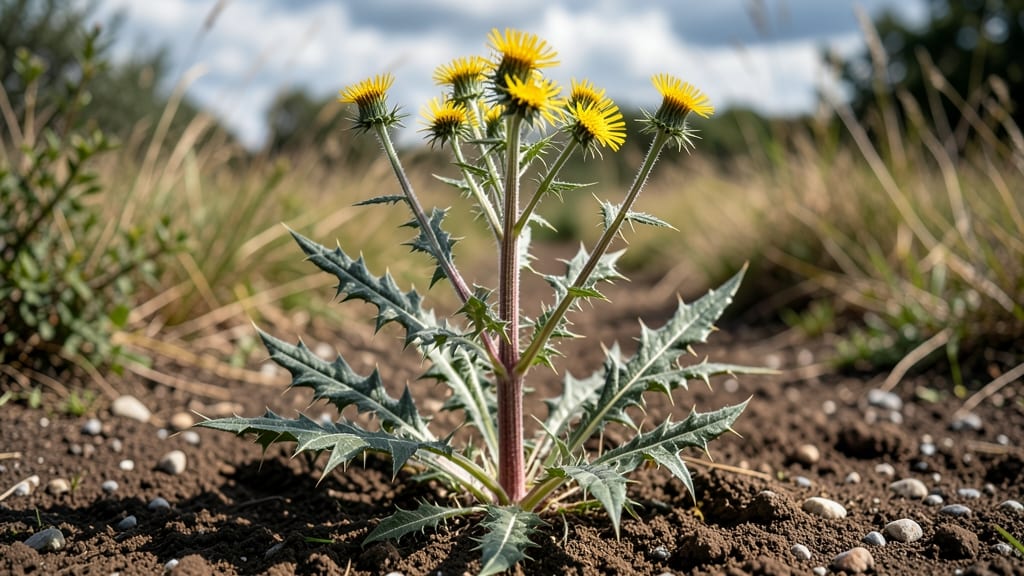
Growing spiny annual sow thistle might sound intimidating, but this fast-growing green packs a punch in just 60 days. 🌱 I’ve grown it three seasons running, and the secret lies in its adaptability—it thrives where other greens fail, giving you tender leaves even in less-than-ideal conditions.
The key is controlling its natural spread while harvesting before the spines harden.
This hardy annual loves full sun but tolerates partial shade, making it perfect for edges of gardens or containers. Well-draining soil is a must—it hates soggy roots—but it grows almost anywhere else, from clay to sandy loam.
Plant seeds directly after your last frost date, and expect sprouts within 7-10 days. The real magic happens when you keep it lightly fertilized and watered just enough to keep the soil moist, not soaked.
By day 45, you’ll be harvesting 3-4 inch leaves that taste like a milder, slightly nutty spinach. The trick is to pick outer leaves first, letting the center keep growing.
This prevents the plant from bolting too quickly, giving you a continuous supply. Plus, the young leaves are completely thorn-free—just like fresh market greens.
Watch for slugs and aphids, which love the tender new growth, but a simple spray of soapy water usually keeps them at bay. If left unchecked, sow thistle can self-seed aggressively, so deadhead spent flowers if you don’t want it spreading.
With the right balance, you’ll have a low-maintenance, high-reward crop that outperforms store-bought greens in both flavor and sustainability.
📚 In This Guide
- What you need
- Instructions
- Tips and common mistakes
- Wrapping up and next steps
What you need
- ● Seeds: 1 packet of Sonchus asper (spiny annual sow thistle) seeds (aim for 50–100 seeds, depending on desired yield).
- ● Growing Containers or Garden Bed: For containers: 5–10 gallon pots with drainage holes (1–2 per plant).
- ● For in-ground: A sunny spot with loose, well-draining soil (6" deep minimum).
- ● Potting Mix: 1 bag of high-quality, organic potting soil (or compost-amended garden soil).
- ● Fertilizer: Balanced organic fertilizer (e.g., 10-10-10) or compost tea for nutrient boost.
- ● Watering Can or Hose: With a gentle spray nozzle for even moisture.
- ○ Gloves (Optional but Recommended): Thin gardening gloves to protect hands from prickly stems.
- ● Pruning Shears: Small, sharp scissors for harvesting leaves.
- ● Sunlight: Full sun (6+ hours daily) for optimal growth.
- ● Temperature: Ideal germination at 60–75°F; hardy in USDA zones 3–10.
- ● Watering Schedule: Keep soil consistently moist (not soggy) until harvest.
- ● Patience: Ready-to-harvest in 45–60 days!
Step-by-Step guide to growing spiny annual sow thistle
Here’s how to cultivate this fast-growing, nutritious green—with minimal thorns—from seed to harvest in just two months.
🌱 Step 1: Choose Your Planting Location and Prepare the Soil
Spiny annual sow thistle thrives in full sun to partial shade (at least 6 hours of sunlight daily), but it tolerates poorer soils better than most greens. I like to grow mine in well-draining, slightly sandy loam—it hates soggy roots. If your soil is heavy clay, mix in 2-3 inches of compost to improve drainage and fertility.
This plant is a fast colonizer, so give it space—12-18 inches apart in rows 18 inches apart if growing multiple plants. I’ve found that raised beds work best for controlling weeds, which compete aggressively with sow thistle’s shallow roots. Avoid fresh manure; it can cause bitter flavors and encourage thornier growth.
🌱 Step 2: Direct-Sow Seeds at the Right Time
Sow seeds ¼ inch deep after the last frost when soil temperatures reach 50°F or warmer. I’ve had the best luck planting in early spring or late summer—avoid mid-summer heat, which causes bolting (premature flowering). Scatter seeds thinly; they germinate quickly (5-10 days), so don’t overcrowd.
Keep the soil consistently moist but not waterlogged until germination. A light misting with a spray bottle works best—heavy watering can wash seeds away. Once seedlings appear, thin to 12 inches apart to prevent overcrowding. I pull weak seedlings by hand and use the thinned greens in salads—they’re mild and tender.
☀️ Step 3: Manage Water and Fertility for Smooth Growth
Sow thistle is drought-tolerant once established, but young plants need 1 inch of water weekly to prevent bitterness. I water deeply in the morning to reduce fungal risks. Overwatering leads to leggy, thorny growth, so let the top 1-2 inches of soil dry out between waterings.
This plant is a light feeder, so I skip heavy fertilizers. A side dressing of compost in early spring is enough. If leaves look pale, a balanced 10-10-10 fertilizer at half strength can help—but don’t overdo it. Too much nitrogen encourages rapid growth, which can make the thorns more pronounced.
✂️ Step 4: Harvest Young Leaves for Best Flavor
Harvest outer leaves first when they reach 4-6 inches tall—young leaves are mild and less thorny. Use clean scissors or fingers to snip just above a leaf node to encourage regrowth. I harvest every 3-5 days in peak season to keep the plant producing tender greens.
If left unchecked, sow thistle bolts (sends up a flower stalk) in 45-60 days. To delay bolting, harvest frequently and avoid over-fertilizing. The flowers are edible but bitter—save them for teas or decorative garnishes. Once the plant flowers, it’s time to pull it and compost it to prevent self-seeding.
🌿 Step 5: Prevent Weeds and Pests Naturally
Sow thistle’s fast growth helps suppress weeds, but young plants need help. Mulch with straw or grass clippings to block light from weeds without smothering the shallow roots. I’ve found that hand-pulling weeds works best—avoid herbicides, which can linger in the soil and affect future crops.
Pests like aphids and slugs occasionally target sow thistle. For aphids, I spray with soapy water (1 tsp mild soap per quart of water). Slugs? A beer trap (bury a shallow dish filled with beer) works wonders. If thorns seem excessive, it’s often a sign of stress—check for pests, drought, or poor soil.
Tips & tricks for growing smooth sow thistle
Common pitfalls—and how to sidestep every one when cultivating this resilient green.
Soil Secrets: The key to minimal thorns lies in soil texture. I’ve found that mixing sand and compost in equal parts creates the ideal balance—sandy loam drains excess moisture while compost adds nutrients without overfeeding. Test your soil’s drainage by digging a small hole, filling it with water, and timing how long it takes to drain. If it takes longer than 30 minutes, amend with more sand or perlite.
Timing is Everything: Those 50°F soil temperatures in Step 2 aren’t just a suggestion—they’re crucial for germination. Use a soil thermometer to confirm before planting, especially in cooler climates. I’ve seen seeds fail to sprout when planted too early, even if air temperatures seem warm. For extra insurance, soak seeds overnight in lukewarm water before sowing to jumpstart germination.
Thinning Technique: When you thin seedlings to 12 inches apart, don’t just yank them out—use a small hand trowel to loosen roots first. This prevents disturbing nearby plants. I’ve also found that thinning in stages (first at 4 inches, then again at 8 inches) reduces stress on the remaining plants. The thinned seedlings make excellent microgreens for salads if you harvest them immediately.
Watering Wisdom: That 1 inch weekly guideline in Step 3 assumes average rainfall. In my experience, morning watering is non-negotiable—it gives leaves time to dry before evening, reducing fungal risks. For container growing, I’ve switched to self-watering pots with 1.5 inches of water to maintain consistent moisture without overwatering. The top 1-2 inches of dry soil between waterings should be your visual cue, not a rigid schedule.
Pro Tips for Spiny Annual Sow Thistle
- Common pitfalls—and how to sidestep every one when cultivating this resilient green.
- Soil Secrets: The key to minimal thorns lies in soil texture. I’ve found that mixing sand and compost in equal parts ...
- Timing is Everything: Those 50°F soil temperatures in Step 2 aren’t just a suggestion—they’re crucial for germination...
Frequently asked questions
Got questions about spiny annual sow thistle? You’re not alone!
Whether you're dealing with prickly patches or curious about harvest times, here are the answers you need to grow this fast, edible weed like a pro.
Is spiny annual sow thistle really edible?
Yes! Despite its spiny leaves, the young shoots and leaves (before flowering) are packed with vitamins A, C, and K. Always remove the thorns or wear gloves when handling. Avoid the milky sap in large quantities—it can cause mild stomach upset. Pro tip: Blanch or sauté to mellow the flavor!
How long does it take to harvest spiny annual sow thistle?
This weed grows fast—typically 4–6 weeks from seed to harvest! Start picking the youngest leaves when plants are 4–6 inches tall. Wait too long, and the leaves turn bitter. Bonus: Snip leaves to encourage bushier regrowth.
How do I remove the thorns safely?
Thorns are just modified leaves—strip them off with a knife or wear heavy-duty gardening gloves. For large batches, soak leaves in warm water for 10 minutes to soften spines. Warning: Never eat the thorns themselves!
What should I do if my sow thistle keeps spreading?
Spiny annual sow thistle self-seeds aggressively. Prevent spread by harvesting before it flowers or pulling mature plants roots and all. Mulch bare soil to block new seeds. Quick fix: Use a hoe to cut seedlings at the soil line.
Can I grow spiny annual sow thistle in containers?
Plant in deep pots (12+ inches) with well-draining soil. Keep containers in full sun and water regularly. Just be prepared for fast growth—harvest often to control size. Tip: Elevate pots to deter pests like slugs.
Wrapping up and next steps
Growing spiny annual sow thistle is a rewarding experience—whether you're aiming for a quick harvest, a unique salad green, or a way to boost biodiversity in your garden. 🌱 With the right soil, sunlight, and care, you can enjoy thorn-free leaves in just 60 days!
This versatile plant thrives on minimal effort, making it perfect for beginners or busy gardeners.
Ready to take the next step? Start small—plant a few seeds in a sunny spot this week, and watch your garden transform! Share your progress with fellow gardeners or experiment with creative recipes using your harvest. Happy growing! 🌿