
Planting
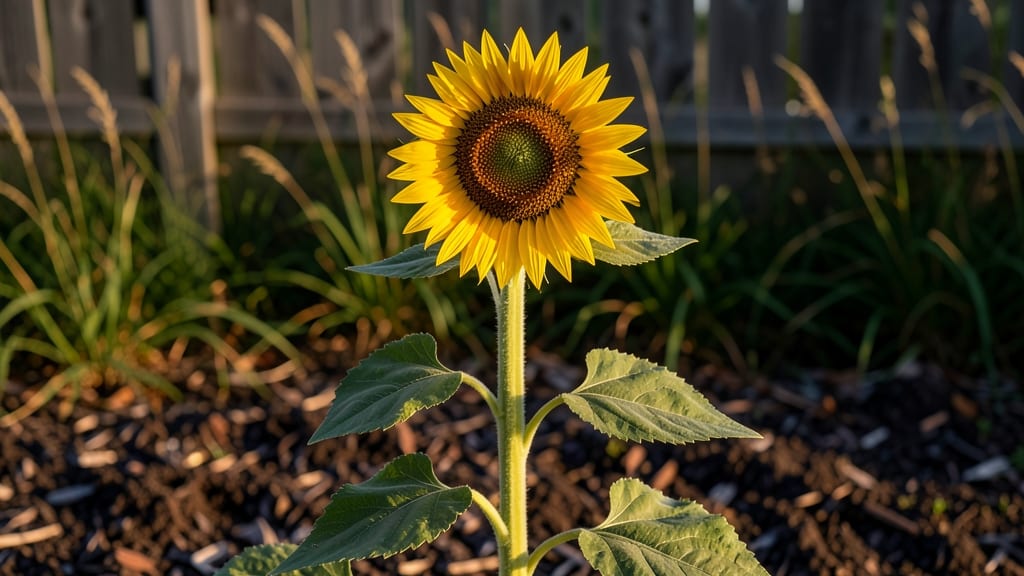
Growing sunflowers in Virginia thrives best when planted in late spring after the soil warms to 55°F, using heat-loving varieties like 'Mammoth' or 'Autumn Beauty,' and ensuring they get full sun and well-draining soil. The state's humid summers demand spacing plants 12–24 inches apart to prevent fungal diseases.
Virginia's humid climate and warm summers create perfect conditions for sunflowers once you time your planting right. 🌞 The late spring window (after last frost) ensures seedlings avoid cold snaps while benefiting from the long growing season—sunflowers here can reach maturity faster than in cooler northern states.
I've found that local nurseries often stock Virginia-adapted varieties, which handle the heat and occasional downpours better than standard hybrids.
Proper soil prep makes all the difference in Virginia's heavy clay soils.
Amending with compost improves drainage while maintaining moisture, and a light mulch layer helps regulate soil temperature during those scorching summer afternoons. Spacing isn't just about disease prevention—it lets each plant develop its signature broad leaves without competing for sunlight, which is crucial when Virginia summers can push temperatures into the 90s°F.
💡 In This Article
- Virginia’s Ideal Sunflower Planting Calendar and Climate Needs
- Soil Preparation and Heat Resistance Tips for Virginia Sunflowers
Virginia’s ideal sunflower planting calendar and climate needs
Virginia’s planting calendar hinges on two critical factors: soil temperature and frost risk. Sunflower seeds need soil to reach at least 55°F to germinate properly, which typically occurs in late April to early May across most of the state.
The last average frost date varies by region—around April 15th in Richmond but closer to May 1st in the mountainous southwest. Planting too early risks seed rot from lingering cold and moisture, while waiting too long sacrifices the full growing season. 🌱
Here’s how Virginia’s climate affects sunflowers at different stages: seedlings thrive in the 60-70°F range found in May-June, but once temperatures climb above 85°F (common by July), growth slows unless plants have adequate moisture.
The real challenge comes from Virginia’s humidity—when combined with poor air circulation from crowded plants, it creates the perfect conditions for powdery mildew. This fungal disease appears as white, powdery patches on leaves and can stunt growth by blocking sunlight absorption.
Heat-tolerant varieties like 'Mammoth' (reaching 12-14 feet tall) and 'Autumn Beauty' (with striking bicolor blooms) perform best because they’ve been bred to handle Virginia’s summer heat. Their deeper root systems access moisture from lower soil layers, while their waxy leaf coatings reduce water loss through transpiration.
I’ve seen 'Autumn Beauty' plants in my own garden maintain vibrant blooms even during 95°F heatwaves, whereas standard varieties often wilt without proper care.
The state’s long growing season—typically 180-220 days from planting to harvest—gives sunflowers ample time to mature, especially when planted in late May. This timing also helps avoid the late summer heat stress that can reduce seed quality.
For northern Virginia gardeners, consider starting seeds indoors 4-6 weeks before the last frost date to get a head start on the season. The key is matching your planting window to your specific microclimate within Virginia.
One often-overlooked factor is wind exposure. Virginia’s coastal plains experience stronger winds than the Piedmont region, which can cause sunflowers to lodge (fall over) before seed maturity. Staking tall varieties or planting near windbreaks like shrubs or fences provides stability without sacrificing sunlight.
The trade-off is minimal—just ensure your windbreak doesn’t cast shade during peak sun hours (10 AM to 2 PM).
For those in Virginia’s higher elevations (above 2,000 feet), the growing season shortens significantly. In these areas, choose dwarf varieties like 'Teddy Bear' (1-3 feet tall) that mature in 50-60 days rather than the standard 80-120 days.
These compact plants also work well in container gardens for urban gardeners with limited space. 🌿