
Planting
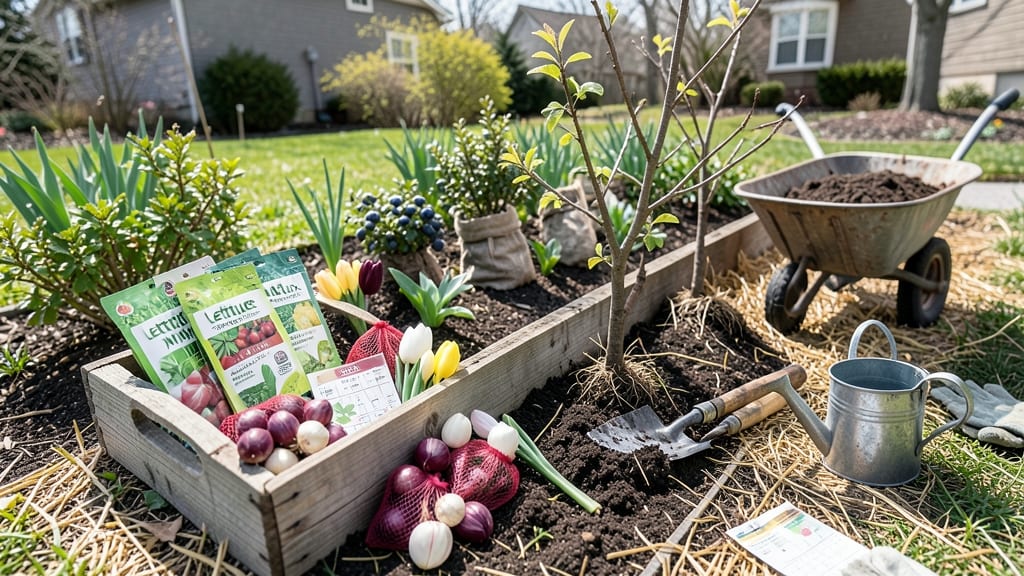
To plant a garden in New Brunswick, time your seeds with the last frost date—typically late May for most regions, but coastal areas like Saint John can be weeks earlier.
Timing your garden planting in New Brunswick’s unpredictable climate can mean the difference between a bountiful harvest and wasted seeds—here’s your precise guide to avoid costly mistakes.
New Brunswick’s diverse growing zones—from USDA 3b in the highlands to 6a along the Bay of Fundy—demand flexibility. Coastal areas warm faster, while inland spots stay frost-prone longer, so knowing your microclimate is key to success.
Below, I’ll break down the best planting windows for vegetables, flowers, and perennials, plus how to adjust for late frosts and soil temperature quirks so you can maximize your harvest.
New Brunswick’s frost-free dates by region: critical planting windows
New Brunswick’s climate varies dramatically between its three main regions—Fredericton, Saint John, and Moncton—making frost-free dates a gardener’s most critical reference. Coastal areas like Saint John typically enjoy earlier last frosts (around May 10–15) due to ocean moderation, while inland Fredericton often waits until May 20–25.
Moncton falls somewhere in between, with May 15–20 averages. These dates aren’t set in stone, though—microclimates (like sheltered valleys or urban heat islands) can shift your planting window by 1–2 weeks.
For cool-season crops like peas and spinach, you can start seeds indoors 4–6 weeks before your region’s last frost date. But for heat-loving plants like tomatoes and peppers, wait until 2 weeks after the average last frost to avoid transplant shock.
Historical data from Environment Canada shows that Saint John’s last frost can occur as late as June 5 in some years—so always have row covers ready for late-season surprises.
Here’s how to use this data for your garden:
| Region | Last Frost Date (Avg.) | First Frost Date (Avg.) | Frost-Free Window | Microclimate Adjustments |
|---|---|---|---|---|
| Fredericton (Inland) | May 20–25 | September 20–25 | 120–130 days | Valleys: +3–5 days Urban areas: +2 days |
| Saint John (Coastal) | May 10–15 | October 5–10 | 140–150 days | Harbors: +5–7 days Hills: -2–3 days |
| Moncton (Transition) | May 15–20 | September 25–October 2 | 130–140 days | Riverbanks: +3 days Wooded areas: -1–2 days |
If you’re planting perennials or cold-hardy vegetables, like kale or Brussels sprouts, you can start seeds as early as April in containers and transplant after the last frost.
For warm-season crops, use the 50°F soil temperature rule: Wait until the ground warms to this threshold (usually late May in Fredericton, early May in Saint John) to avoid stunted growth. A soil thermometer is your best friend here—don’t guess!
For fall planting, focus on cool-season crops like carrots and lettuce. Saint John’s first frost typically arrives October 5–10, giving you a 30–45 day window for late-season harvests.
Inland areas like Fredericton have a shorter window (20–30 days), so prioritize fast-maturing varieties like ‘Early Wonder’ peas or ‘Red Salad Bowl’ lettuce.
Pro tip: Check Environment Canada’s historical frost maps for your specific location—some areas in Charlotte County or near Fundy National Park can have 10+ day variations from the regional average. Local gardening clubs (like the Saint John Horticultural Society) also track real-time data—join their forums for hyper-local advice.
Remember, hardening off seedlings is non-negotiable in New Brunswick’s chilly springs. Acclimate your plants over 7–10 days before transplanting, even if the frost date has passed. And always have frost cloth on hand for late surprises—I’ve seen June frosts in Fredericton that wiped out tender seedlings overnight.
Start with cold-hardy crops like potatoes or peas in early May, then transition to tomatoes and peppers after Memorial Day weekend. For coastal gardeners, you might squeeze in two tomato harvests by planting early varieties in May and late varieties in June.
Inland gardeners should stick to one main planting and focus on extended-season varieties.
Finally, keep a gardening journal to track your local frost dates—over 3–5 years, you’ll spot patterns that Environment Canada’s averages miss. For example, my Fredericton garden saw a June 1 frost in 2022, but my south-facing raised beds stayed frost-free for 5 extra days thanks to heat absorption.
Best planting schedule for New Brunswick crops: from cool-season to heat-lovers
New Brunswick’s short growing season and variable frost dates demand smart timing for your garden. By planting cool-season crops early and heat-lovers after frost, you can stretch harvests from spring to fall. My schedule balances 12 essential crops with local climate realities—no more wasted seeds or missed harvests!
Start with potatoes and peas in March, then transition to tomatoes and peppers in June. Don’t forget succession planting for lettuce and radishes every 2-3 weeks to keep your kitchen stocked. The key? Adjust timing by 1-2 weeks based on your region’s last frost date.
🌱
For cool-season crops like kale and spinach, I plant twice a year—once in early spring and again in late summer for fall harvests. This double planting strategy works wonders in New Brunswick’s climate, where summers are short but crisp fall weather extends growing seasons.
Heat-lovers like tomatoes and peppers need warm soil (at least 55°F/13°C) to thrive. I always use black plastic mulch to warm the soil faster and plant after Memorial Day to avoid frost.
For succession planting, I focus on fast growers like radishes and lettuce, sowing new batches every 2-3 weeks to ensure continuous harvests.
Pro tip: Use row covers to extend spring planting by 2-3 weeks and protect fall crops from early frosts. This simple trick has helped me double my harvest in just one season!
🌿