
Planting
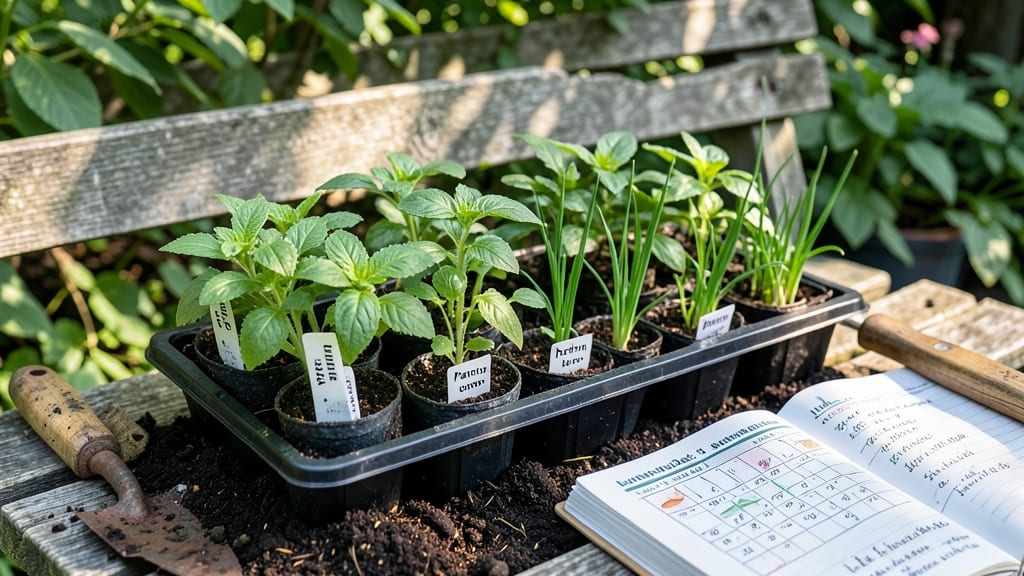
To plant a vegetable garden in New York means timing your sowing with precision—because one late frost can turn weeks of work into a sad pile of brown seedlings.
New York’s unpredictable frost dates can turn a gardener’s dream into a risky gamble—unless you know the exact timing for each crop. Plant too early, and frost will wipe out your seedlings; too late, and you’ll miss peak harvests.
This guide breaks down the optimal planting windows for New York’s diverse climate zones, from the cool coastal breezes of Long Island to the warmer inland valleys of Upstate.
Whether you’re sowing hardy greens in early spring or waiting for soil to warm before tomatoes, we’ll cover the critical frost dates and microclimates that make all the difference.
You’ll learn which vegetables thrive when planted in March (like peas and spinach), which need to wait until May (tomatoes and peppers), and how to adjust for urban heat islands or lake-effect weather.
By the end, you’ll have a frost-date cheat sheet tailored to your corner of the state—so your garden grows strong, not stressed.
New York’s frost dates by region: critical timing for planting vegetables
New York’s diverse climate zones—from the urban heat islands of NYC to the lake-effect regions of the Finger Lakes—create wildly different frost dates. Understanding these last spring frost and first fall frost windows is the key to avoiding frost damage and maximizing your harvest.
For example, Upstate areas like Albany typically see their last frost around May 15th, while Buffalo can hold off until May 25th thanks to its unique microclimate.
Even within the same city, your location matters. A backyard in Brooklyn might be 2-3°F warmer than one in Staten Island due to pavement and buildings trapping heat—a phenomenon called the urban heat island effect.
Meanwhile, Adirondack gardeners often face later frosts, sometimes as late as June 10th, because cold air pools in valleys. These regional differences mean your planting schedule should shift based on your exact location.
For cool-season crops like spinach, kale, and peas, you can start sowing as early as March or April in most regions, even before the last frost. These hardy vegetables tolerate light frosts and often thrive in 50°F soil temperatures.
However, warm-season crops such as tomatoes, peppers, and cucumbers need to wait until after the last frost—typically mid-to-late May—when soil temperatures reach at least 60°F.
Microclimates can shift your planting window by 1-3 weeks. For instance, a south-facing wall or container garden in NYC might warm up faster than in-ground soil, allowing you to plant tomatoes or basil a week earlier.
Conversely, low-lying areas or northern exposures can delay planting by up to 10 days. Always monitor your local National Weather Service forecasts and use a soil thermometer to confirm readiness.
Fall planting is equally critical. In USDA Zone 6b (like NYC), you can still sow spinach, radishes, and lettuce as late as early September, but broccoli and cabbage should go in by mid-August to mature
Best vegetables to plant in New York by season (with exact months)
New York’s diverse climate zones mean your planting schedule should shift from Upstate’s cooler regions to NYC’s urban heat islands. Whether you’re growing tomatoes in containers or kale in raised beds, timing is everything.
Below are the optimal months for 15+ top vegetables, categorized by direct sowing (planting seeds) vs. transplanting (starting with seedlings).
For warm-season crops like peppers and cucumbers, wait until after the last frost (typically May 15–June 1 in most regions). Meanwhile, cool-season crops such as spinach and peas thrive when planted 4–6 weeks before the last frost—often as early as March in Upstate and April in NYC.
Succession planting (sowing seeds every 2–3 weeks) maximizes harvests for crops like lettuce and radishes.
🌱 New York Planting Calendar by Crop
- 🥬 Lettuce & Spinach: Direct sow March–April (cool season) and August–September (fall crop).
- 🌶️ Peppers & Tomatoes: Transplant May 15–June 1 (after frost) or start indoors March 1–April 15.
- 🥕 Carrots & Beets: Direct sow April–June and July–August (succession plant).
- 🥬 Kale & Broccoli: Transplant April–May or direct sow March–September (cold-hardy).
- 🌿 Green Beans: Direct sow May 15–June 15 (warm soil needed) and July 1–August 1 for fall.
- 🥔 Potatoes: Plant March–April (chit sprouts first) for harvest June–July.
- 🍅 Cucumbers: Transplant May 15–June 1 or direct sow after soil reaches 60°F.
Pro Tip: Use row covers to extend spring planting by 2–3 weeks for frost-sensitive crops.
Extend your growing season with cold-hardy crops like kale, spinach, and radishes, which can handle light frosts. For fall planting, aim to sow seeds by July 15–August 1 so they mature before the first frost (typically October 15–November 1).
Urban gardeners in NYC may push these dates slightly later due to heat retention in concrete.
Succession planting is a game-changer for high-demand crops like lettuce and bush beans. Sow new seeds every 2 weeks from April through July to ensure a continuous harvest. For slow-growing crops like broccoli or cabbage, start transplants indoors in February–March to give them a head start.
Don’t forget container gardening for small spaces! Cherry tomatoes, peppers, and green onions thrive in pots and can be planted 1–2 weeks later than in-ground crops, as containers warm up faster. Just ensure they get 6+ hours of sun daily.
By aligning your planting with New York’s frost-free windows and microclimates, you’ll avoid the heartbreak of lost seedlings and enjoy a bountiful harvest from spring to fall. Start with these exact months, and your garden will thank you! 🌱